Building a home gym means you can train whenever you want, but it also means you are responsible for protecting your own grip, skin and equipment. One of the biggest questions is whether to train with gym gloves, grip pads or bare hands. The right choice affects your strength, callus management and hygiene, especially when you repeat the same exercises on your own barbell, dumbbells or pull-up bar several times per week.
Table of contents
Understanding what your grip really needs
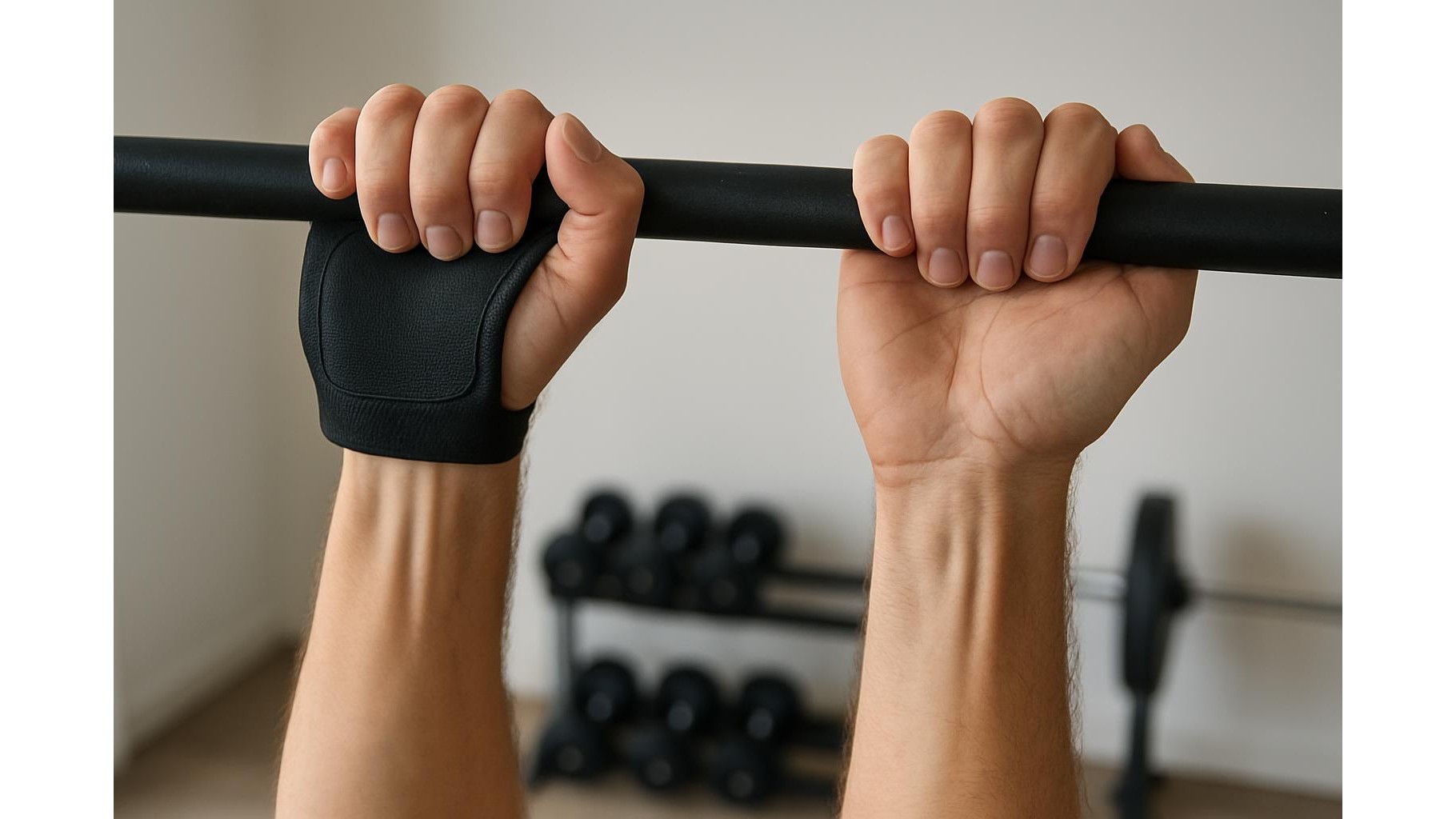
Your hands have to balance friction (so you do not slip) with feedback (so you can feel the bar and lift safely). Training bare handed usually gives the best bar feel, helping you position your fingers correctly on a pull-up bar, barbell or kettlebell. However, high-volume sets of pull-ups, deadlifts or rows can quickly create calluses and even painful tears. Adding a thin layer like grip pads offers some protection from friction while still letting you feel the knurling of the bar. On the other hand, full gym gloves provide maximum cushioning and can help beginners who have very sensitive skin, though they slightly reduce tactile feedback and may make very heavy lifts feel less secure for some lifters.
When grip pads make more sense than full gloves
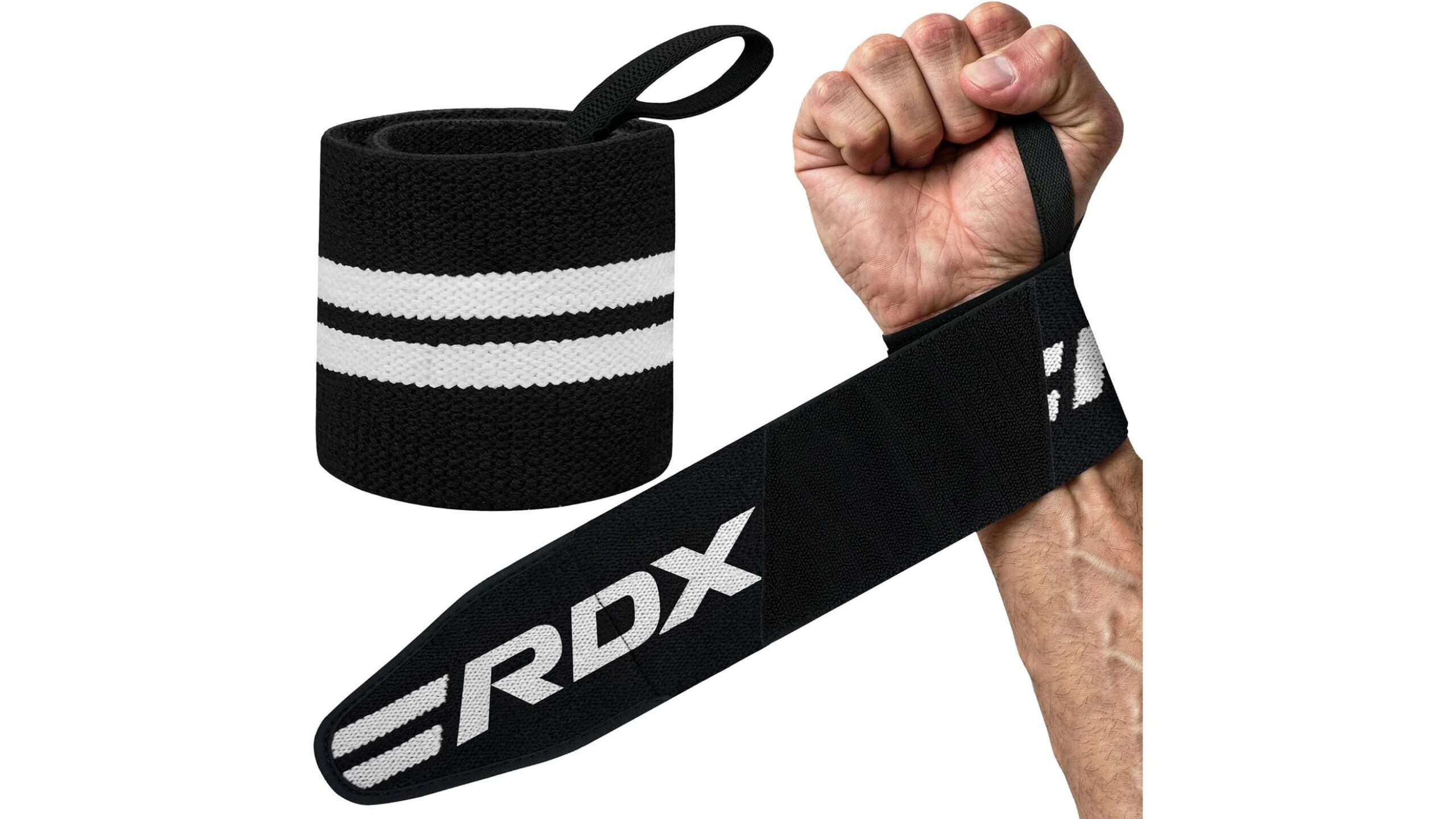
If you want a compromise between protection and bar feel, minimalist grip pads or palm protectors are often the best solution for a home gym. Unlike bulky gloves, pads only cover the most stressed areas of your palm, reducing callus formation while keeping your fingers free. This can be ideal for pull-ups, lat pulldowns, rows and light-to-moderate deadlifts where you need to hold on firmly but still want to feel exactly where the bar sits in your hand. For many people training alone at home, pads are also easier to slip on and off between sets, so you can perform warm-up sets bare handed and then add pads only when the weight or volume starts to stress your skin.
Pros and cons of full gym gloves in a home setup
Full gym gloves deliver the highest level of comfort, especially if you are new to lifting or returning after a long break. They can make pull-ups, dumbbell pressing and machine work feel much friendlier on the hands by spreading pressure and preventing sharp contact points. In a home gym, this can encourage longer, more frequent sessions because your grip does not become the limiting factor as quickly. The trade-off is reduced tactile feedback and, for some users, a slightly less secure connection on very heavy barbells. Gloves also trap more sweat than pads or bare hands, so you will need to wash them regularly to avoid odour and bacterial build-up, which is an important consideration when you share your space or equipment with family members.
Bare hands, chalk and callus management
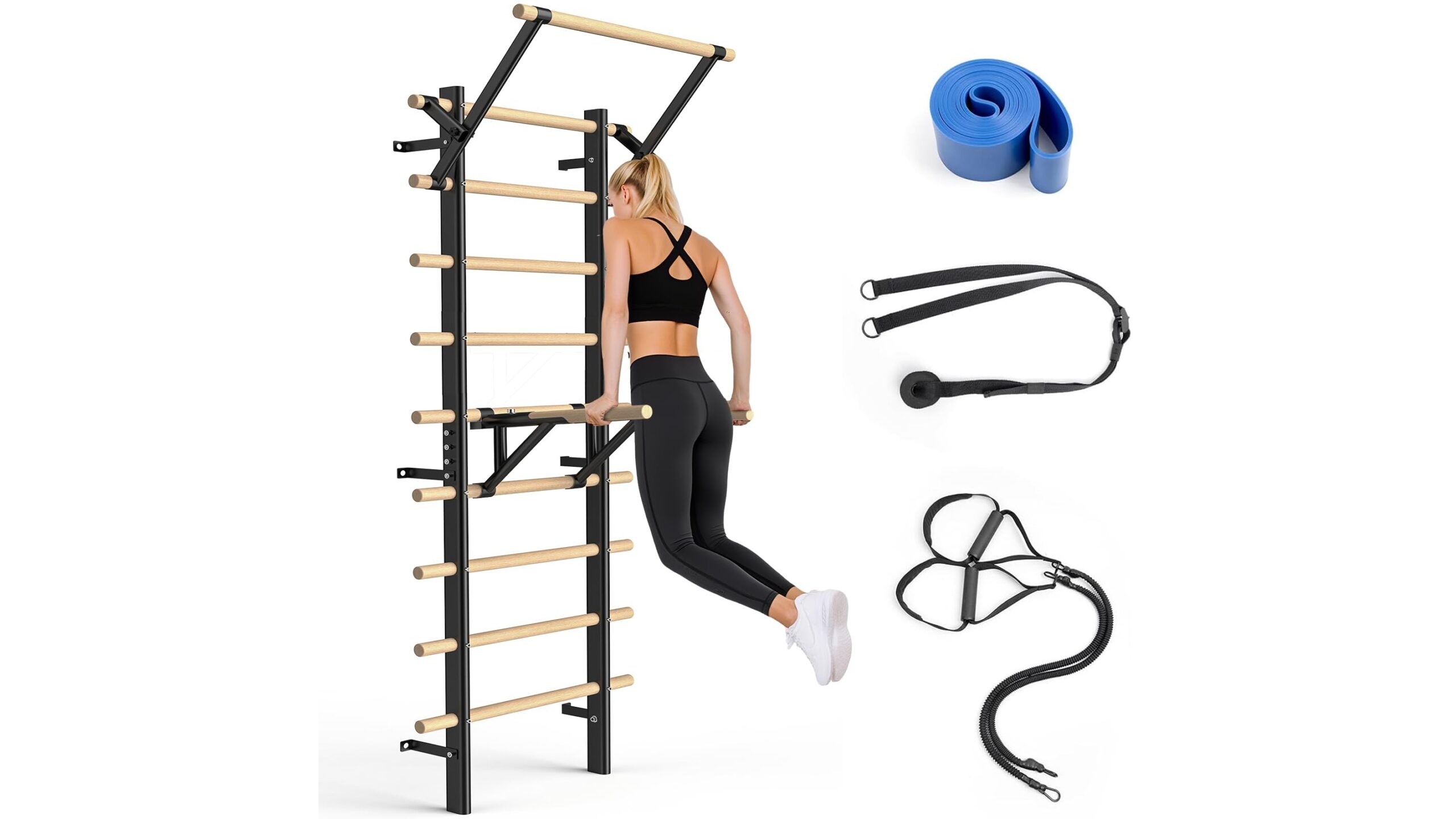
Training with bare hands is still the gold standard for building a strong, reliable grip, especially on compound lifts such as deadlifts, rows and pull-ups. Without fabric between your skin and the bar, your nervous system receives clearer signals about how the load is distributed, helping you refine technique and avoid slips. In a home gym, you can pair bare hands with a small amount of liquid chalk to reduce moisture and improve friction, which also cuts down how often you need gloves. To manage calluses, regularly use a pumice stone or callus file, and moisturise your hands after training. This keeps the skin tough but flexible, reducing the chance of painful tears that can interrupt your training plan.
Hygiene and equipment care in your home gym
Unlike commercial gyms, a home gym does not expose you to hundreds of other people’s sweat, but hygiene still matters. Repeated handling of the same barbell, dumbbells and pull-up bar with sweaty hands can lead to odour, rust and the build-up of bacteria. Gloves and grip pads create a barrier that keeps more sweat off metal, helping preserve the knurling and finish of your equipment. However, they themselves must be cleaned: wash gloves regularly according to the label, and wipe down pads after use. Whether you choose gloves, pads or bare hands, get into the habit of wiping bars and handles with a mild disinfectant and drying them after every session to keep your home training space fresh and safe.
In summary, there is no single best answer in the home gym gloves vs bare hands debate. Bare hands maximise grip strength and bar feel but demand consistent callus care. Grip pads offer a smart middle ground, protecting your palms while preserving feedback, and full gym gloves prioritise comfort and skin protection at the cost of some sensation. Consider your skin sensitivity, training style, hygiene preferences and the specific exercises in your routine. Then test each option for a few sessions to discover which blend of protection and feel lets you train harder and more consistently in your home gym.