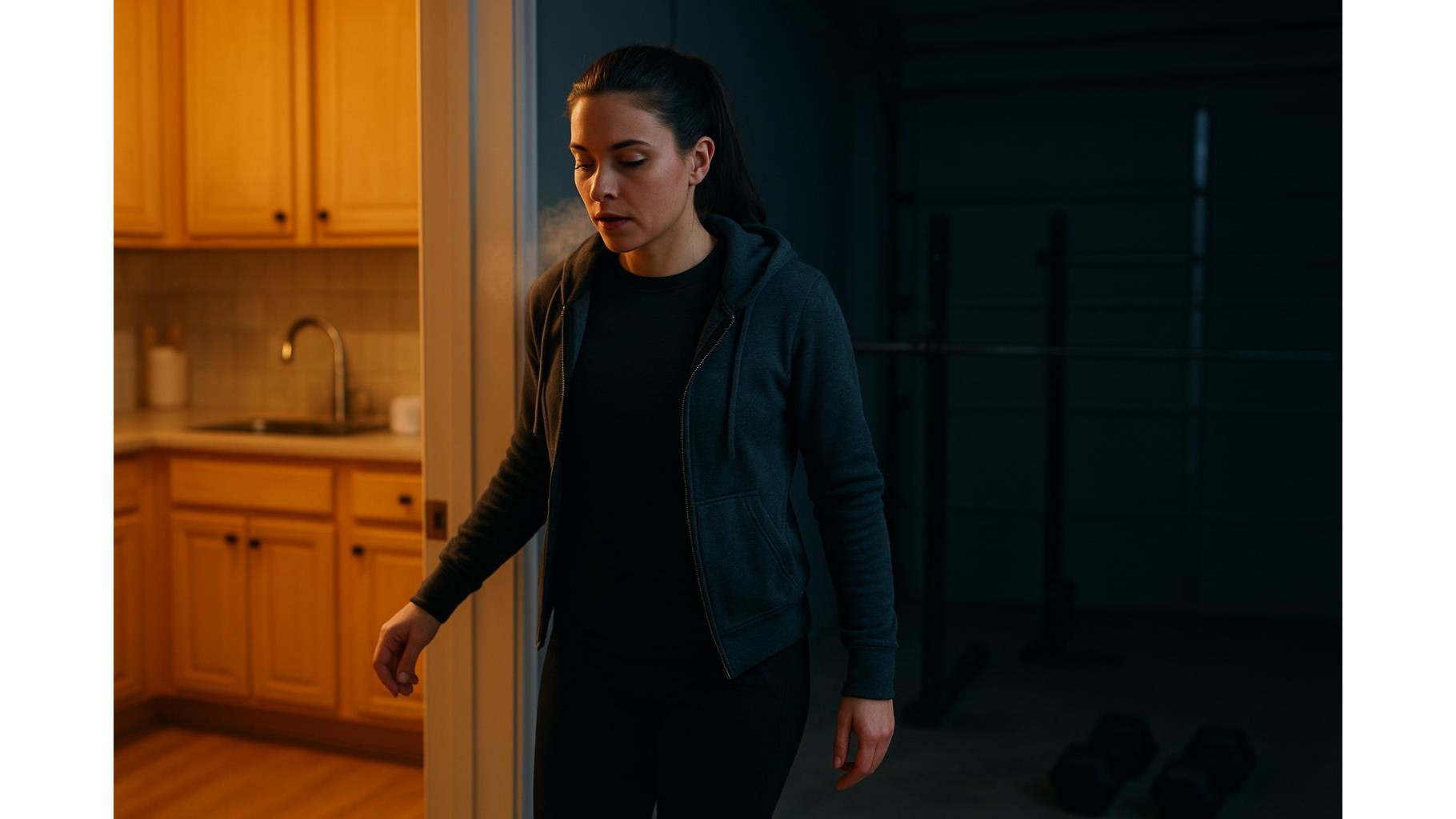
Training at home often means moving between a warm living room and a chilly garage or spare room. The right home gym clothing keeps you comfortable in both, so you can focus on your reps instead of shivering or overheating. By choosing smart layers, breathable fabrics and adaptable fits, you can build a small, efficient wardrobe that works in every corner of the house.
Start with a breathable base layer
Your first line of defence in a mixed-temperature home gym is a good base layer. Look for lightweight, moisture-wicking tops that sit close to the skin and move sweat away quickly, so you stay dry when you head from a cool garage back to a warmer kitchen. A fitted performance tee in synthetic technical fabric or a fine merino blend will regulate temperature far better than cotton, which tends to hold onto moisture and make you feel clammy. Prioritise flat seams and some stretch, so the base layer sits smoothly under hoodies or jackets without restricting movement during squats, presses or yoga flows.
Layer with a mid-weight hoodie or zip top
On top of your base layer, add a mid-weight layer you can take off in seconds. A full-zip hoodie or training jacket is ideal because you can quickly vent heat between sets without fully undressing. Focus on breathable, slightly stretchy fabrics that are warm but not bulky, so they do not catch on resistance bands or interfere with bar paths. Features such as thumbholes, a high collar and a snug but non-restrictive fit help you hold onto warmth in a cold garage while allowing easy transitions back indoors. Choose neutral colours so the same piece works for strength sessions, cardio and active recovery days.
Choose legwear that works warm and cold
For your lower half, balance insulation and mobility. In colder garages, lightly brushed or fleece-backed leggings and joggers give extra warmth without needing multiple bulky layers. Look for models with a wide, comfortable waistband, four-way stretch and minimal seams around the knees so you can lunge and deadlift without distraction. In milder rooms, switch to thinner, breathable leggings or slim-fit joggers made from moisture-wicking blends that keep airflow high. If your home varies a lot in temperature, keeping one warmer pair and one lighter pair in rotation is usually enough to cover everything from morning HIIT in a cold utility room to evening mobility work in a heated living room.
Smart accessories: socks, hats and light gloves
Small accessories can transform your home workout comfort when temperatures shift between spaces. Thermal or cushioned training socks protect feet from cold garage floors and add comfort for jumping or loaded carries. A lightweight beanie helps you warm up quickly in winter without committing to a heavy jacket you will want to remove mid-session. If you grip cold metal bars or kettlebells in an unheated room, consider thin training gloves to take the bite off the chill while still allowing good feel and control. These accessories are easy to stash in a basket by the garage door so you can adapt on the fly as the season or time of day changes.
Fit, fabric and layering strategy
The secret to an effective home gym wardrobe is a clear layering strategy. Aim for a close but comfortable fit for base layers, a slightly looser mid-layer for easy on/off, and flexible legwear that never binds or sags. Prioritise technical fabrics that wick sweat, dry quickly and stretch with you; avoid heavy cotton for anything that is likely to get damp. Build outfits you can adjust in stages: start in base layer, leggings and hoodie in a cold garage, then shed the hoodie once warmed up or when you move back into the kitchen. With just a few well-chosen pieces, you can stay warm enough to start, cool enough to push hard, and comfortable wherever your next home workout takes you.
By focusing on breathable base layers, versatile mid-layers, adaptable legwear and smart accessories, you can assemble a compact, high-performing home gym clothing system. Instead of constantly changing outfits as you move from room to room, you simply add or remove a layer to match the temperature. That means less time fussing with clothes and more time training consistently, whether your workout space is a cosy corner of the living room or a draughty garage in mid-winter.