Building a small compression gear corner at home can make your home workouts more comfortable and consistent, especially if you train often or stand all day. A smart kit of compression socks, compression sleeves and compression shorts can support circulation, reduce post‑session soreness and help you feel more “switched on” when you lift, run on your treadmill or grind through a HIIT circuit in your living room.
Why compression belongs in your home gym
Compression clothing is not magic, but when chosen and used well it can be a practical tool in your home gym setup. The light squeeze of graduated compression encourages venous return, which can reduce the feeling of heavy, tired legs during and after longer sessions. For most home athletes this means less swelling after standing desk days, smoother recovery after indoor cycling or rowing, and a more stable feeling in your thighs and calves when you squat or lunge. A compact kit of socks, sleeves and shorts lives easily in a drawer, but gives you options to tailor support to each workout without buying a whole new wardrobe.
Choosing compression socks for long days and cardio sessions
Start your kit with a solid pair of graduated compression socks. Look for knee‑high models with clear pressure ratings (around 15–20 mmHg is a good everyday range) and a mix of nylon and elastane for durability and stretch. Well‑designed socks hug the arch and ankle a little more firmly while easing off towards the knee, which is what helps blood flow. Features like ventilated panels on the top of the foot and flatlock seams reduce the risk of blisters when you are doing treadmill runs, step‑ups or long walks outside between home sessions. If you often work at a desk, wearing these socks throughout the day and into your workout can keep your lower legs feeling fresher and may cut down that heavy, “pumped” calf sensation after standing or training.
Calf sleeves vs full socks: when sleeves make more sense
Calf compression sleeves are basically the focused version of socks, covering only the lower leg from ankle to below the knee. They are useful if you prefer your usual training socks for grip or cushioning, or if you are sensitive around the toes. For home workouts that involve a lot of jumping, skipping rope or incline walking, sleeves add a reassuring squeeze around the calf muscles and can reduce post‑session tightness. When choosing sleeves, prioritise models with a high percentage of spandex or elastane so they keep their shape, and check the sizing chart carefully – you usually measure the widest part of your calf. Because they are smaller and easier to wash and dry, sleeves are a simple, low‑maintenance way to get into compression without changing the rest of your kit.
Compression shorts for strength sessions and HIIT
Next, add a pair of compression shorts that you can wear alone or under looser training shorts. Good compression shorts support the quads, hamstrings and glutes, helping you feel more stable in squats, deadlifts and kettlebell work. For home gym use, look for a medium level of compression: they should feel snug but not restrictive, and you should be able to drop into a deep squat without the waistband digging in or the legs rolling up. A blend of polyester and elastane with moisture‑wicking treatment will keep you dry during intense HIIT circuits or garage gym sessions. Flat seams and a wide, soft waistband are key if you plan to wear them for both training and recovery around the house, since chafing is more noticeable when you move from the rower to the sofa.
How to size, combine and actually use your kit
To get real benefit from compression gear, sizing matters more than brand or colour. Always measure according to each product’s chart rather than guessing by your usual clothing size. Calf sleeves are sized by circumference; socks by shoe size plus calf; and shorts by waist and sometimes thigh. Once you have a good fit, think about how to combine pieces: use compression socks or sleeves during long standing days and cardio; switch to shorts for strength sessions; and try wearing one piece for a few hours after heavy training to see if soreness feels more manageable. Rotate between items so the elastic fibres can recover between wears, and wash them in cool water without fabric softener to maintain their squeeze.
Building a minimalist, effective compression corner
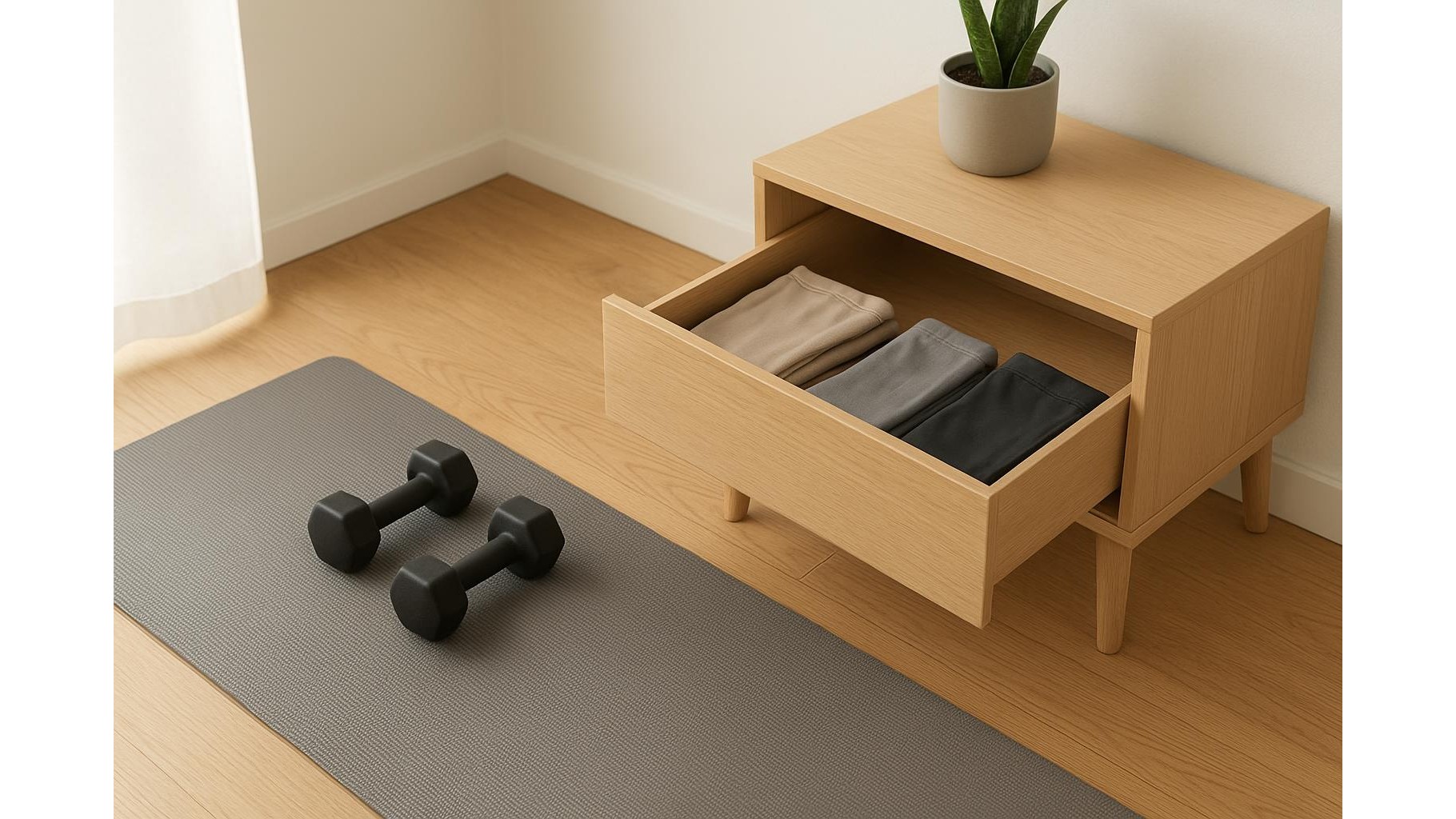
You do not need a drawer full of expensive gear to benefit from compression at home. A minimalist kit of one pair of graduated compression socks, one pair of calf sleeves and one pair of compression shorts is enough to cover most training days and recovery needs. Keep them folded together near your dumbbells or yoga mat so you actually use them instead of forgetting they exist. Over a few weeks, notice when you feel the biggest difference – maybe on heavy leg days, or after long standing shifts – and let that guide any future additions to your kit. Used with realistic expectations and consistent training, a small, well‑chosen compression corner can quietly make your home fitness routine feel smoother, less achy and easier to stick with.