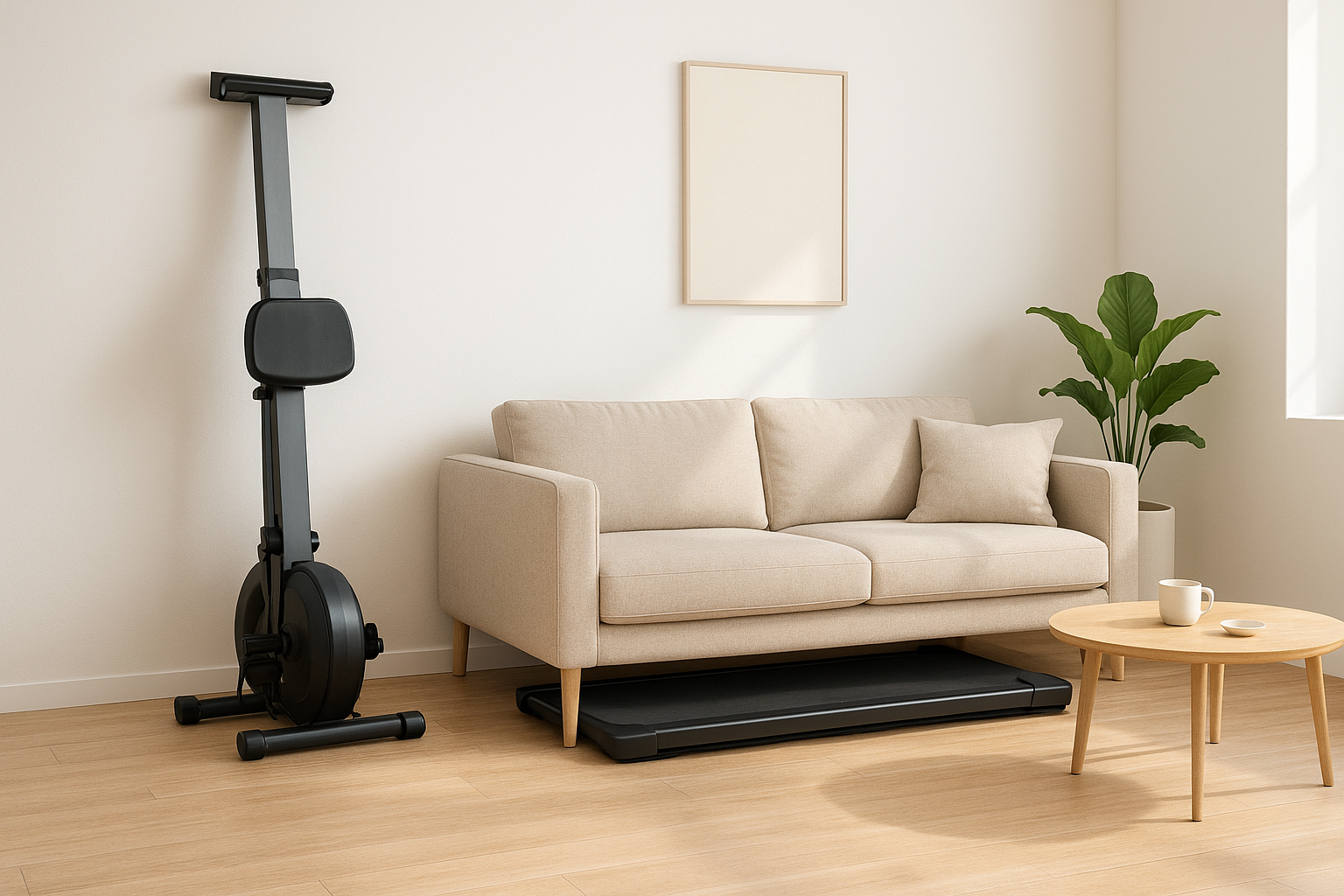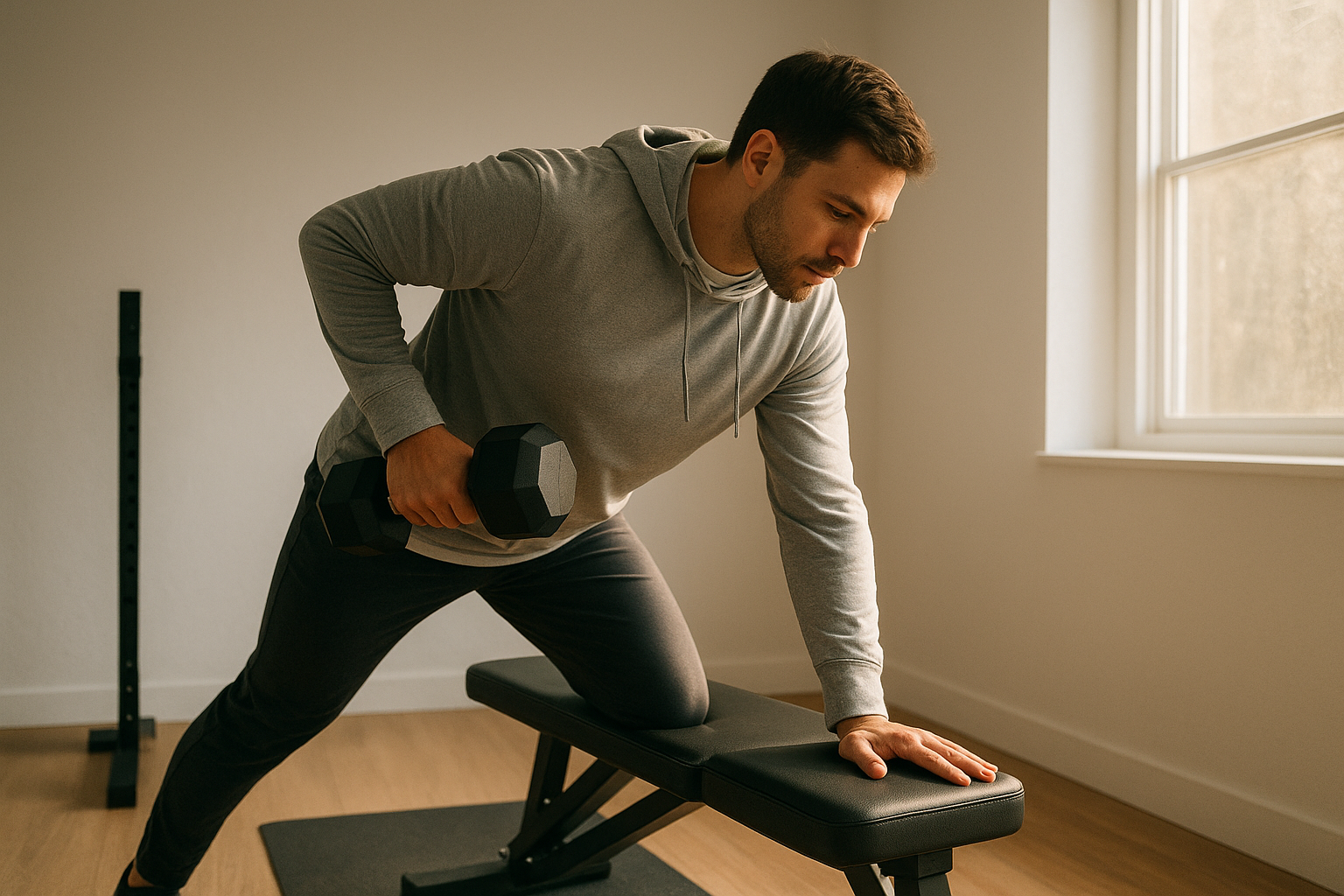
Home workouts in cooler rooms can be a struggle: you start off shivering, then end up drenched in sweat and peeling off layers mid-set. A good breathable workout hoodie solves this by keeping you comfortably warm during warm-up and steady-state training, without trapping heat once your heart rate climbs. The key is choosing the right fabrics, fit and layering strategy so your hoodie can move seamlessly from sofa lounging to serious training.
Table of contents
Why breathability matters in a home workout hoodie
Unlike outdoor training, home gym sessions often happen in spaces that are slightly chilly at the start but warm up quickly. A breathable hoodie lets excess heat and moisture escape, preventing that sticky, overheated feeling that kills your motivation. Look for terms like “moisture-wicking”, “quick-dry” and “ventilated” in the product description. These hoodies are designed to pull sweat away from your skin and dry fast between sets, ideal if you’re mixing low-intensity mobility work with short, intense circuits.
Best fabrics: cotton blends vs performance synthetics
Fabric choice makes the biggest difference to how a hoodie feels during a home workout. Pure heavy cotton may feel cosy on the sofa, but it tends to hold onto moisture and becomes heavy as you sweat. Instead, aim for cotton‑polyester blends or full performance synthetics like polyester and elastane. These materials balance softness with sweat management, so the hoodie remains warm yet light. A touch of stretch (elastane or spandex) also improves freedom of movement for push‑ups, rows and presses. Light to mid‑weight fabrics (rather than thick fleece) are usually best if you run warm or train in shorter, more intense sessions.
Getting the fit right for warm-ups and active sets
The ideal home workout hoodie fit is relaxed but not baggy. Too loose, and the fabric can catch on dumbbells or resistance bands; too tight, and you’ll feel restricted during overhead presses or rows. Look for hoodies with raglan sleeves or articulated shoulders that allow full range of motion. A slightly longer hem helps keep your lower back covered during hip hinges and deadlifts, while a streamlined cut prevents bunching when you lie on a bench or mat. Pay attention to the cuffs and waistband too: soft, elasticated finishes help the hoodie stay in place without digging into your skin as you move.
Smart layering strategies in a cooler home gym
To avoid overheating, think in layers rather than relying on one thick top. Start with a moisture‑wicking base layer (a technical T‑shirt or tank), then add a lightweight hoodie that you can easily unzip or remove after your warm‑up. If your home gym is in a garage or basement, choose a hoodie with a front zip so you can vent heat between sets without stopping your session. Thumbholes and adjustable hoods are useful for the early minutes when you feel the cold most, while a lighter mid‑layer underneath lets you keep training comfortably once the room and your body have warmed up.
From sofa to squat rack: style and everyday versatility
One of the big advantages of a home workout hoodie is versatility. The best models transition effortlessly from loungewear to training gear, so you can start your day relaxing, then roll straight into a quick strength or mobility session. Look for clean, minimal designs without bulky logos, so the hoodie pairs well with joggers, shorts or leggings. Practical details like zip pockets keep your phone and keys secure if you step outside to cool down or add a walk to your routine. A neutral colour palette also means you can wear the same hoodie for remote work, errands and warm‑ups without feeling like you’re in full gym kit all day.
Choosing the right breathable home workout hoodie comes down to fabric, fit and layering. Opt for moisture‑wicking materials, a cut that moves with you and features that make temperature control easy as your session progresses. With a well‑chosen hoodie, you can stay warm during your warm‑up and early sets, avoid overheating as intensity rises, and enjoy a piece that works just as well on the sofa as it does in front of your squat rack or resistance bands.