Training without shoes at home puts all the focus on your base of support, but what you wear on your legs is just as important. The right barefoot-friendly leggings and shorts should stay put through deep lunges, floor work and yoga flows, without pinching, sliding or distracting seams. In this guide we’ll look at grip, length, seams and fabrics so you can move freely and confidently in sock-only home workouts.
Why your leggings matter more when you train barefoot
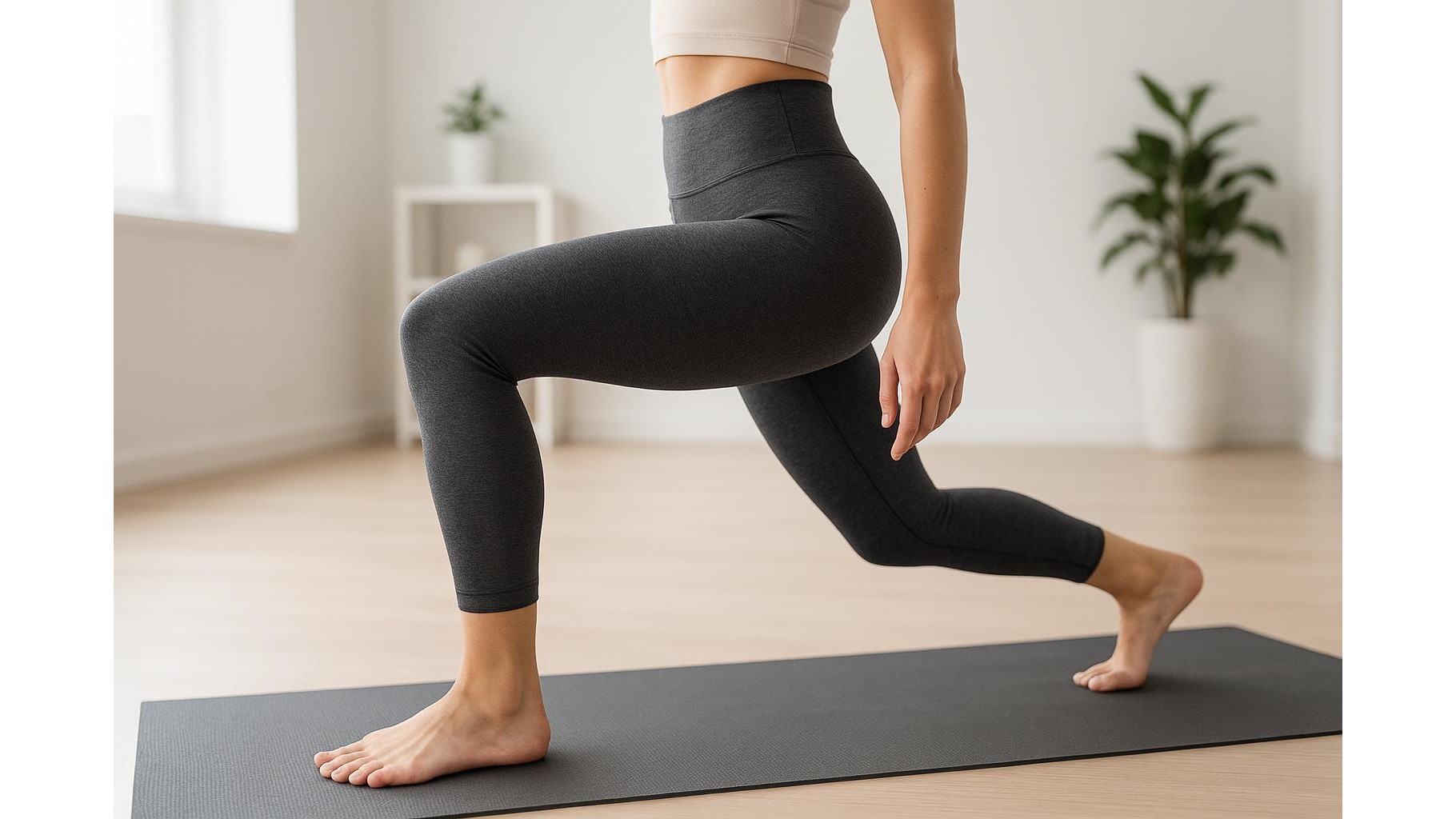
When you train barefoot at home, your lower body mechanics change: you sink deeper into squats, your ankles move more, and you spend more time on the floor for mobility and core work. That makes fit and stability in your leggings crucial. Choose high-waisted designs with a wide, compressive waistband that won’t roll as you hinge at the hips. Look for a snug, second-skin feel through the hips and thighs so the fabric doesn’t twist around your knees during lunges. Avoid overly slick, shiny materials that can slide against your skin in poses like downward dog or bridge; instead favour matte, brushed knits that offer gentle grip against your legs and the mat.
Best lengths and cuts for sock-only home sessions
Length is key in barefoot training outfits. Full-length leggings work well for cooler rooms and for floor-heavy sessions like Pilates, but make sure the hem doesn’t bunch around your ankles where it can catch the mat as you transition between poses. 7/8 length leggings are often ideal: they free the ankle for mobility and keep fabric clear of the heel in single-leg balance work. In warmer months, opt for mid-thigh biker shorts that won’t ride up when you sweat or when you slide a forearm along the inner thigh for mobility drills. Ultra-short shorts can leave you sticking to the mat and constantly adjusting the hem, so for most home workouts that mix strength, yoga and mobility, a mid-length cut offers the best balance of coverage, comfort and freedom to move.
Fabrics that grip, breathe and stay in place
The best home workout leggings use performance fabrics that balance compression, breathability and stretch. Look for blends of nylon or polyester with elastane for four-way stretch that follows every lunge and hip hinge without becoming see-through. A slightly brushed or matte surface offers more grip against your skin and yoga mat than slick, shiny finishes, which can slide during poses like warrior or side plank. Moisture-wicking technology is important even at home: as you heat up in a small room, sweat can make thin fabrics cling and twist. Medium-weight fabrics around 220–260 g/m² usually deliver enough opacity and structure to stay put during dynamic circuits while still feeling soft for floor work and seated stretches.
Seams, waistbands and details that support barefoot movement
When you train without shoes, you tend to work closer to the ground, so seam placement becomes more noticeable. Prioritise leggings and shorts with flatlock seams to minimise rubbing during deep squats or low lunges. Avoid bulky inner-leg seams that can press into the skin in kneeling positions. A high-rise waistband with a slightly V-shaped or contoured front helps the fabric follow your torso as you fold and twist, reducing the need to readjust after every set. Internal drawcords can be useful for HIIT-style circuits, but for mostly static or controlled movements like yoga and mobility flows, a wide, elasticised waistband is usually enough. Skip heavy zips and metal details on the back that could dig into your lower back during glute bridges, crunches or foam rolling.
Matching leggings and shorts to your favourite home workouts
Different home training styles call for slightly different choices. For strength training with dumbbells or kettlebells, choose compressive, high-waisted leggings or biker shorts that won’t shift as you hinge, row or press, and that resist snagging on textured equipment. For yoga and Pilates, prioritise smooth, soft fabrics with minimal seams and a length that keeps your knees and hips covered in floor poses but your ankles free to move and grip the mat. If you focus on mobility and stretching, opt for lightweight, ultra-stretchy fabrics that won’t restrict range of motion in the hips or hamstrings. In all cases, test your outfit with a few deep lunges, squats and overhead reaches at home: if the waistband stays put, the fabric doesn’t sheer out, and you forget you’re wearing it, you’ve likely found a barefoot-friendly match.
Choosing the right leggings and shorts for barefoot home workouts comes down to thoughtful details: supportive waistbands, well-placed seams, functional lengths and grippy, breathable fabrics. When these elements work together, your outfit supports deep lunges, flowing yoga sequences and focused strength work without distraction. Investing in pieces that stay in place and move with you lets you concentrate on balance, technique and strength from the ground up—exactly where barefoot training starts.