Building a safe and comfortable home workout routine is completely possible when you use a wheelchair or have limited mobility—but only if your clothing supports you. The right adaptive fitness apparel reduces pressure points, avoids bulky seams that rub when seated, and adds anti-slip grip exactly where you need it. In this guide we’ll look at what to consider in terms of seams, waist height, leg openings and grip panels, with practical product examples for your home gym sessions.
Choosing adaptive bottoms: seams and seated comfort
For wheelchair users and anyone spending long periods seated during home workouts, the first priority is how your clothing feels under you. Standard leggings and joggers often have bulky back seams, pockets and labels that can dig into the skin. When shopping, look for flatlock seams that lie smoothly against the body and a mostly seamless back panel to minimise friction on the buttocks and lower back. Soft, 4‑way stretch fabrics help reduce wrinkling, which can otherwise cause hotspots during long cardio or resistance sessions in a chair. If you use a cushion, choose thin but robust fabrics that won’t bunch up underneath you and that move with your cushion rather than against it. Breathable, moisture‑wicking materials also help prevent sweat build-up in pressure-prone areas.
Waist height and core support for safer seated training
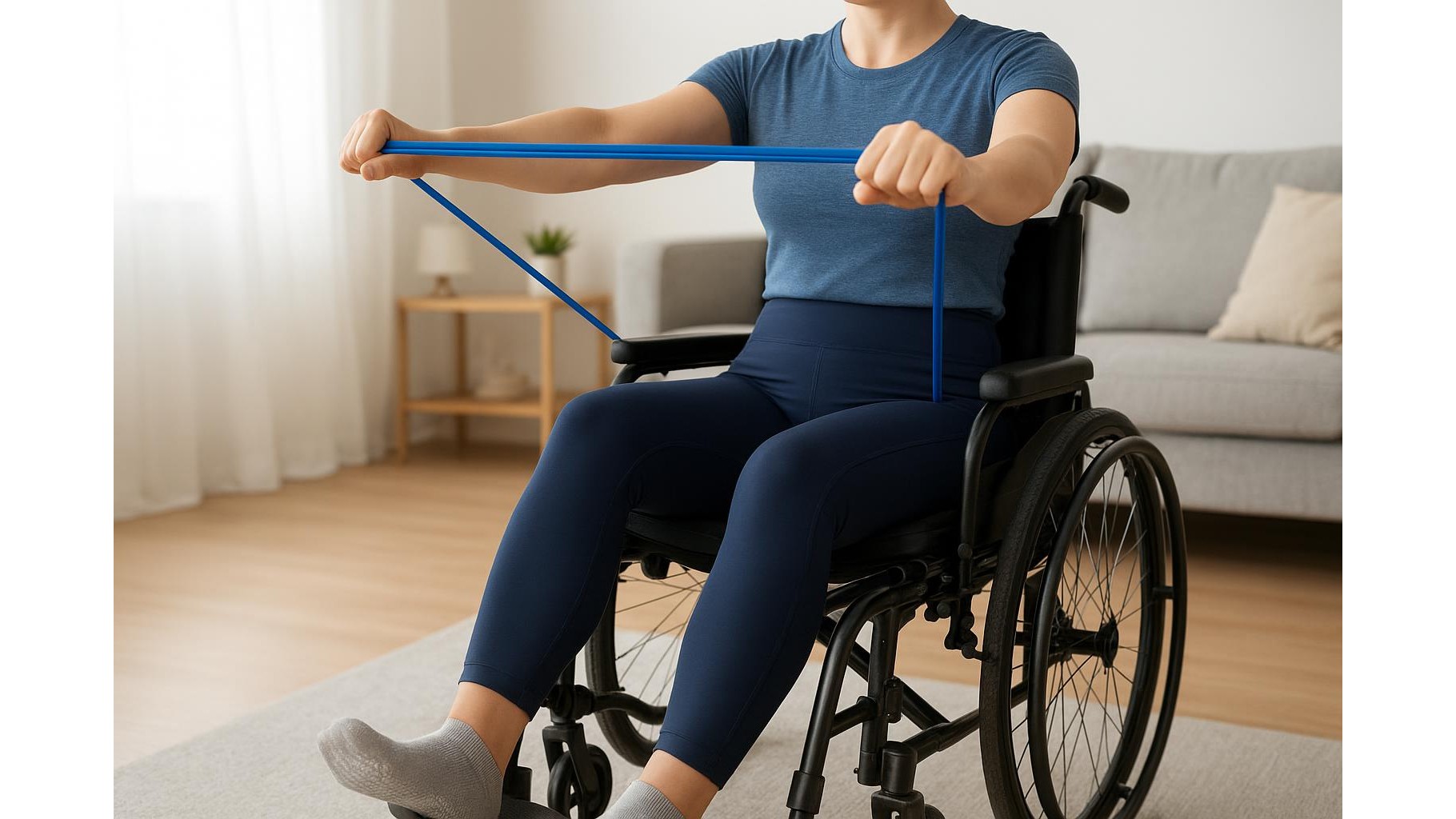
The waistband of your adaptive workout clothing has a big impact on comfort and stability. A high-rise waist that comes well above the hips offers more coverage when you lean forward for resistance band rows, overhead presses or transfer movements. It also helps keep any abdominal support or medical devices discreetly covered. Look for wide, elasticated waistbands that distribute pressure evenly; avoid narrow, tight bands that can dig into the abdomen when seated. If you have reduced core stability, a slightly compressive, high-rise waistband can provide gentle core support and give you a more secure feeling during twists and side bends. Adjustable drawstrings can be useful if your waist size fluctuates, but make sure they sit flat and do not create bulky knots at the front when bending forward toward your legs or footplates.
Leg openings and length: avoiding tangles and interference
Leg length and leg openings matter more in a wheelchair or when you have limited leg mobility. Full-length trousers with wide hems can catch on footplates, wheels and resistance bands. For safer home training, consider cropped leggings or fitted joggers that stop above the ankle, so there is less fabric to manage. Tapered legs or elasticated cuffs prevent material from flapping into your wheel spokes during cardio pushes. If you struggle to dress independently, look for slightly wider, stretchy openings at the ankle and knee to help you slide the fabric over braces, AFOs or swollen joints. Minimal zips and hardware near the cuffs reduce the risk of scratching or creating pressure points if your feet rest on a rigid footplate or step. Overall, aim for a balance between easy dressing and streamlined, close-to-body fit.
Anti-slip panels and grip zones for stability
One of the most valuable features in adaptive workout clothing is the use of anti-slip panels or silicone grip zones. These can appear around the waistband, along the thighs, or under the feet in grip socks. In a wheelchair, subtle grip on the seat contact areas can reduce sliding during dynamic upper‑body work such as medicine ball throws or band pull‑aparts. On the feet, non-slip socks with dense rubber dots or full-sole patterns offer better traction during seated leg raises, transfers to a bench, or standing-supported exercises next to the chair. When choosing these items, check that grip patterns are evenly distributed and not too bulky, so they do not create new pressure points. For home use, prioritise machine-washable fabrics and durable grip materials that will not peel away quickly with regular training sessions.
Practical buying checklist for adaptive home gym outfits
When you’re ready to buy, use a simple checklist to match adaptive fitness apparel to your needs. Focus first on pressure relief: seek soft, tagless garments with flat seams and smooth, non-rubbing seat panels. Next, review waist height and support—high-rise, wide waistbands help stability and coverage in the chair. For the legs, favour tapered or cropped designs with stretchy openings and minimal hardware to avoid interference with wheels and footplates. Finally, always include at least one pair of anti-slip grip socks or garments with silicone grip strips to enhance safety on home surfaces, especially if you transfer frequently or use standing aids. Combining these elements will help you create a small, reliable wardrobe of adaptive home workout clothing that makes training not only safer, but genuinely more comfortable and enjoyable.
Well-chosen adaptive workout clothing turns your home into a more accessible and empowering gym space. By paying attention to seams, waist height, leg openings and anti-slip panels, you reduce the risk of pressure sores, sliding and tangling with equipment. Instead of constantly adjusting your clothes, you can focus on your breathing, technique and the satisfaction of moving your body. Start with one or two thoughtfully selected pieces, test how they perform in your real daily workouts, and gradually build a kit that supports your mobility devices, your body and your fitness goals.