Training at home can feel safer and more private when you are living with abdominal scars, a stoma or a recent hernia repair. The right clothing helps you move without fear of rubbing, leaks or painful pressure points. This guide focuses on how to choose adaptive home workout clothing with the right waist height, seam placement, compression level and layering so you can focus on your session, not your abdomen.
Choosing the right waist height for protection
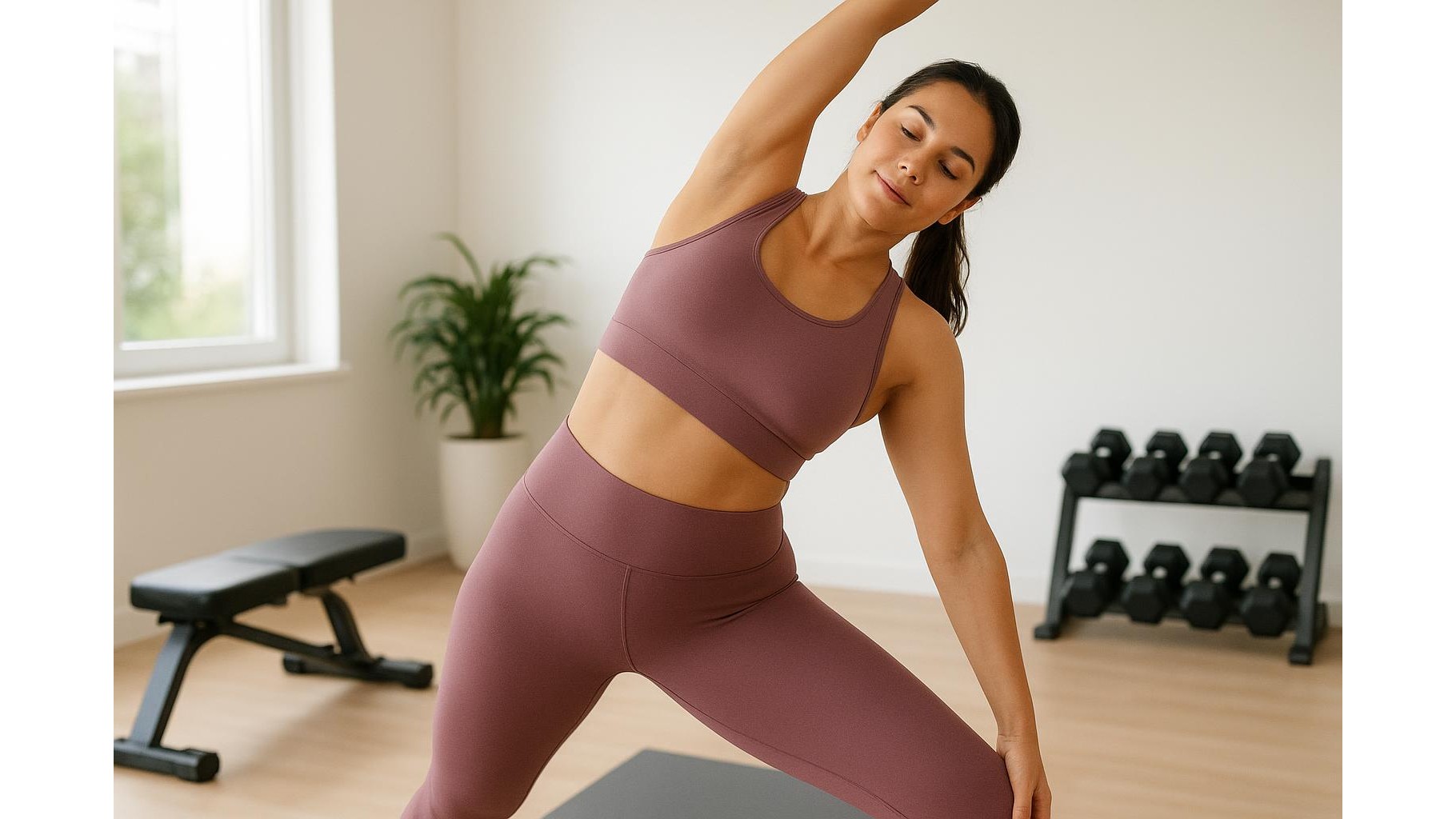
For most people with a stoma or midline scar, a high-rise waistband is more comfortable and secure than low- or mid-rise cuts. Look for leggings, shorts or support garments that rise well above your stoma site or main scar line, ideally up to the natural waist or just below the ribcage. A soft, wide waistband spreads pressure gently over a larger area instead of digging into one small spot. At home, this allows you to bend, twist and lie on the floor without the band rolling or cutting across your appliance or scar tissue. Avoid very narrow elastic bands and choose fabrics with a good stretch recovery so the waist stays in place during squats, bridges and light cardio.
Managing seams and sensitive scar areas
When you have abdominal scars, stitch lines and stiff seams can be more irritating than the exercise itself. Prioritise workout clothes with flatlock seams or minimal seaming across the torso. If possible, choose tops and bottoms designed for yoga or pilates, as they often place seams away from the front of the abdomen and use softer threads. Inside your home gym, test movements such as crunches, side bends and step-ups: if any seam rubs against your stoma bag, scar or hernia repair site, swap the garment. Layering a thin, seamless base layer under more structured leggings or shorts can create a smooth barrier that prevents friction while still allowing full mobility.
Finding supportive but non-restrictive compression
Light to moderate compression around the abdomen can feel reassuring and may help reduce bouncing or dragging on a stoma pouch during home workouts. The key is to avoid over-compression that restricts breathing or causes bulging above or below the band. For gentle strength training, brisk walking on a treadmill or low-impact cardio, look for fabrics labelled as “light support” rather than “firm control”. You should be able to take a full, deep breath and talk comfortably while wearing the garment. If you notice increased stoma output resistance, discomfort at the hernia repair site, or your skin turning red where the band sits, reduce the compression level immediately. At home you can experiment with different degrees of support until you find the level that feels secure but natural.
Layering strategies for stomas and hernia repairs
Layering is one of the most practical strategies for adapting home workout clothing to stomas and hernias. Start with a soft, breathable base layer such as a seamless tank or light crop that covers the pouch or scar. Add high-waisted leggings or shorts on top to hold everything close to the body. If you have a visible bulge from a hernia repair or parastomal hernia, wearing slightly looser outer shorts over fitted leggings can help you feel more confident during online classes or when sharing your home gym with others. In cooler rooms, a longline top that extends below the waistband adds extra discretion and keeps the abdomen warm, which can sometimes ease muscle tension and sensitivity around the scar.
Adapting clothing to specific exercises at home
Different exercises put different demands on your abdominal area, and your clothing should adapt accordingly. For floor-based pilates or yoga, a wide, soft waistband and minimal seams at the front protect your scars or stoma when you roll or lie on your stomach. For resistance training, choose tops that are snug enough not to ride up when you lift your arms, so they do not catch on your appliance. When cycling on a stationary bike, test how your waistband feels in a bent position for several minutes: if it digs into the stoma or scar, switch to a higher and softer band. For walking or low-impact cardio in your living room, light compression around the abdomen can reduce awareness of movement without feeling restrictive. Always change position slowly the first few times you wear new garments, and stop if you feel pulling or sharp discomfort.
Living with abdominal scars, a stoma or a hernia repair does not have to limit your home training. By paying attention to waist height, seam placement, compression level and smart layering, you can build a small wardrobe of adaptive workout pieces that protect sensitive areas while allowing free, confident movement. The right clothing reduces distraction, friction and worry, so you can concentrate on rebuilding strength, mobility and trust in your body during every home workout.