A compact stair stepper can add low-impact cardio to a home workout without taking over a room. But similar-looking machines can feel very different underfoot: pedal travel, frame movement and resistance control all affect comfort and training options. Use this guide to compare the details that matter, whether you want steady sessions, short intervals or equipment that several people can share.
Look beyond the stepper’s footprint
Check the machine’s assembled dimensions, but also consider its usable movement space. Pedals may travel outwards as well as down, and your knees need clearance throughout each stroke. Compare the listed step height or pedal range where available, and check whether the motion is predominantly vertical or follows a slight lateral arc. A short, shallow stroke can suit gentle movement, while a longer travel may feel more like climbing. If possible, review measurements alongside your own height and preferred stance; a compact frame should not force cramped foot placement. Also note the maximum user weight and whether the manufacturer specifies a recommended session duration.
Assess pedal geometry and stride feel
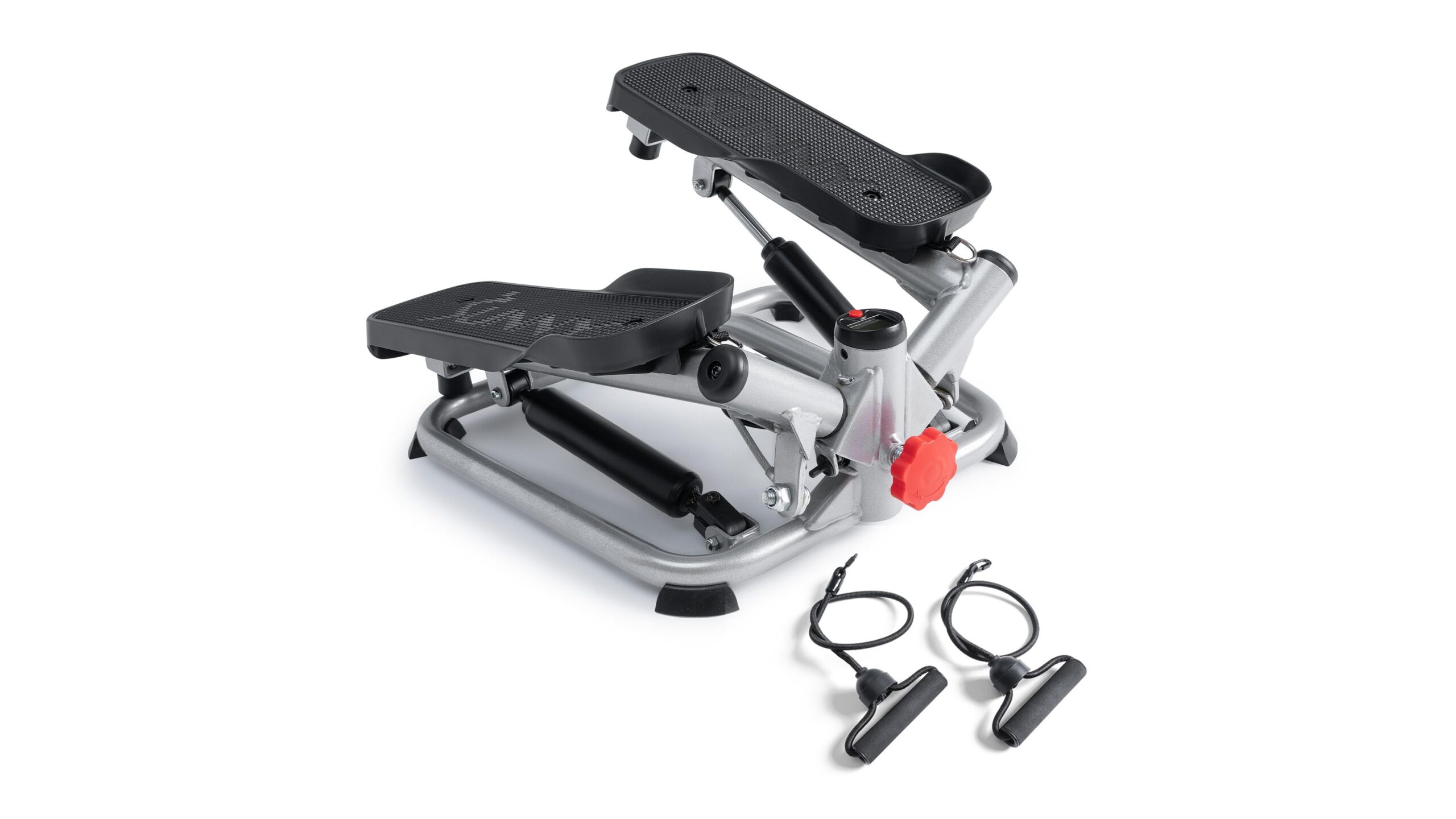
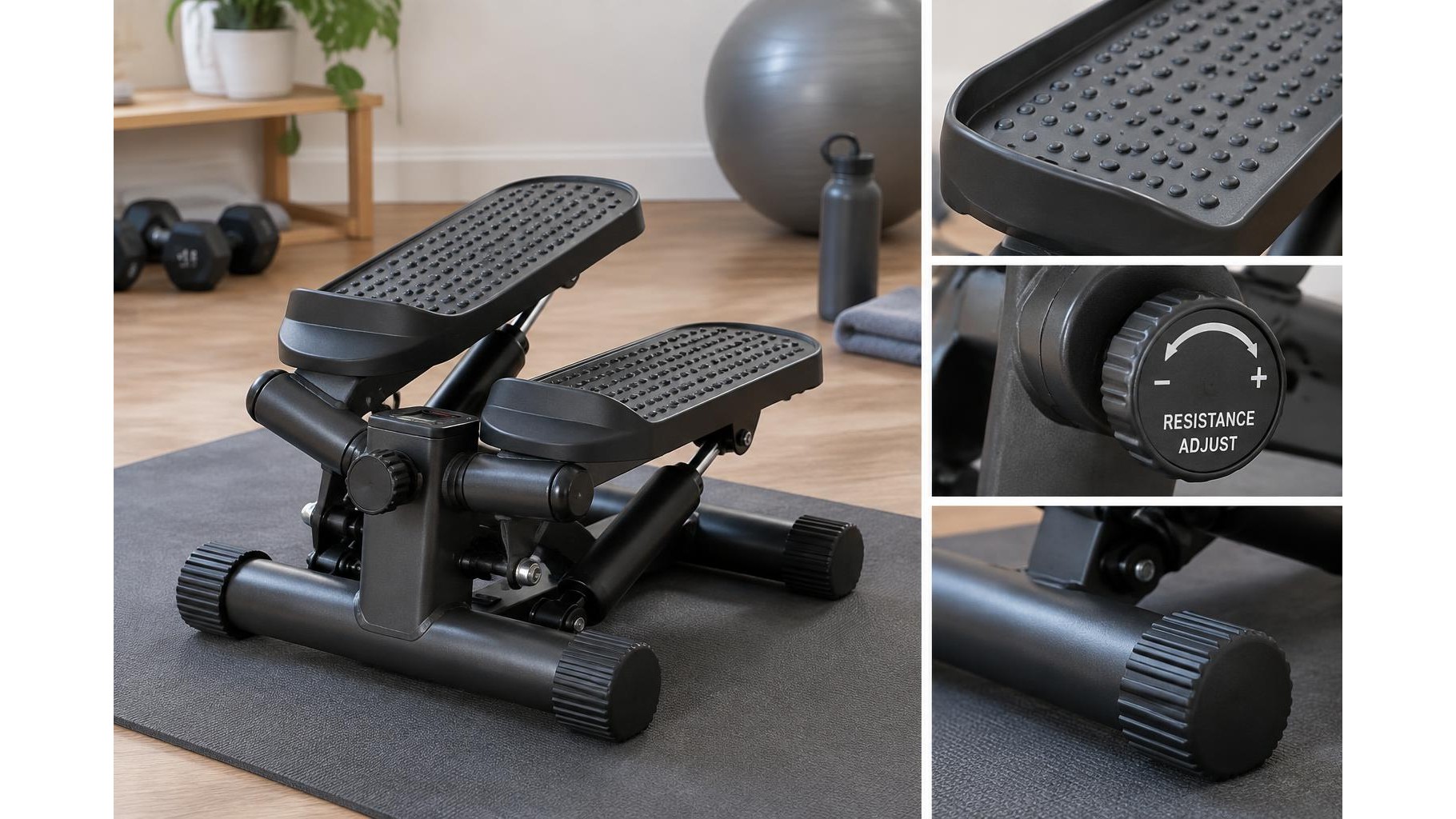
Pedal size, spacing and angle influence how natural the motion feels. Look for platforms long and wide enough to support your feet securely, with a textured surface to reduce slipping. The distance between pedals matters too: a stance that feels too narrow or too wide can become uncomfortable over repeated repetitions. Consider whether each pedal moves independently and whether the design encourages a smooth, controlled rhythm. For steady cardio, prioritise a consistent stroke that you can maintain without bouncing. For intervals, make sure the movement remains controlled when you increase cadence. Product descriptions rarely tell the whole story, so user feedback about stride smoothness can be useful.
Check frame stability and construction
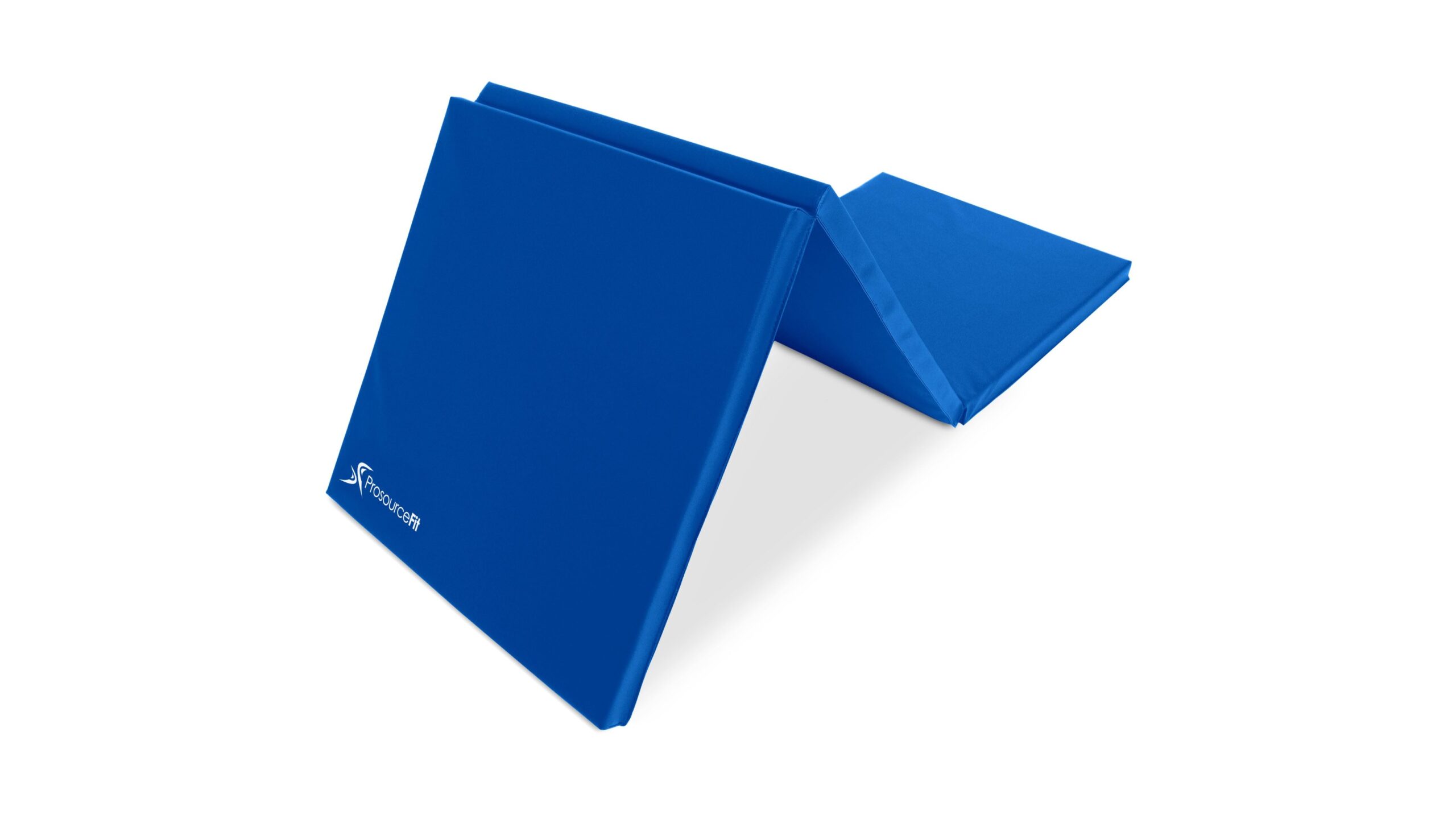
A stepper should feel planted when your weight shifts from one pedal to the other. Look for a broad base, non-slip feet and a frame design that supports lateral movement without rocking. The maximum user-weight rating is a useful specification, but it does not describe wobble or sturdiness on its own. Check reviews for comments about flex, creaking and movement on hard floors. On carpet, a stable, level surface is especially important; a suitable exercise mat may help protect flooring, but should not make the machine unstable. If more than one person will use it, a rigid frame and secure pedal surfaces become even more important.
Compare resistance and workout control
Some compact steppers rely mainly on the resistance of hydraulic cylinders, while others offer an adjustment knob or selectable settings. Confirm what the controls actually change: resistance, pedal range or both. A clear adjustment method makes it easier to tailor effort between users and to move from easy warm-ups to harder bouts. Look for guidance on cooling or rest periods if the product uses hydraulic resistance, and avoid assuming that a higher resistance setting automatically means a better workout. For short intervals, smooth response and predictable pedal action can matter more than a large number of settings. Check whether a display tracks time, steps or cadence if you want simple session targets.
Plan for storage and shared use
“Compact” does not always mean easy to stow. Check the machine’s weight, handle or carry points, and whether it folds or has removable parts. Compare its storage dimensions with the space available under a bed, beside a cupboard or in a home office. If you will move it after every session, manageable weight and a straightforward setup may matter more than a few centimetres of footprint. For shared households, consider how quickly resistance can be adjusted, whether the pedals suit different shoe sizes and whether the machine’s user-weight limit accommodates everyone. Keep the instruction manual accessible and follow its maintenance and inspection guidance.
In summary, compare pedal travel, stance, stability, resistance control and stored dimensions rather than choosing on footprint alone. Match the stride to your body and workout style, then check the frame rating and practical storage details. A well-suited compact stepper should feel controlled at your intended pace and be convenient enough to use regularly.