Why the right stand matters
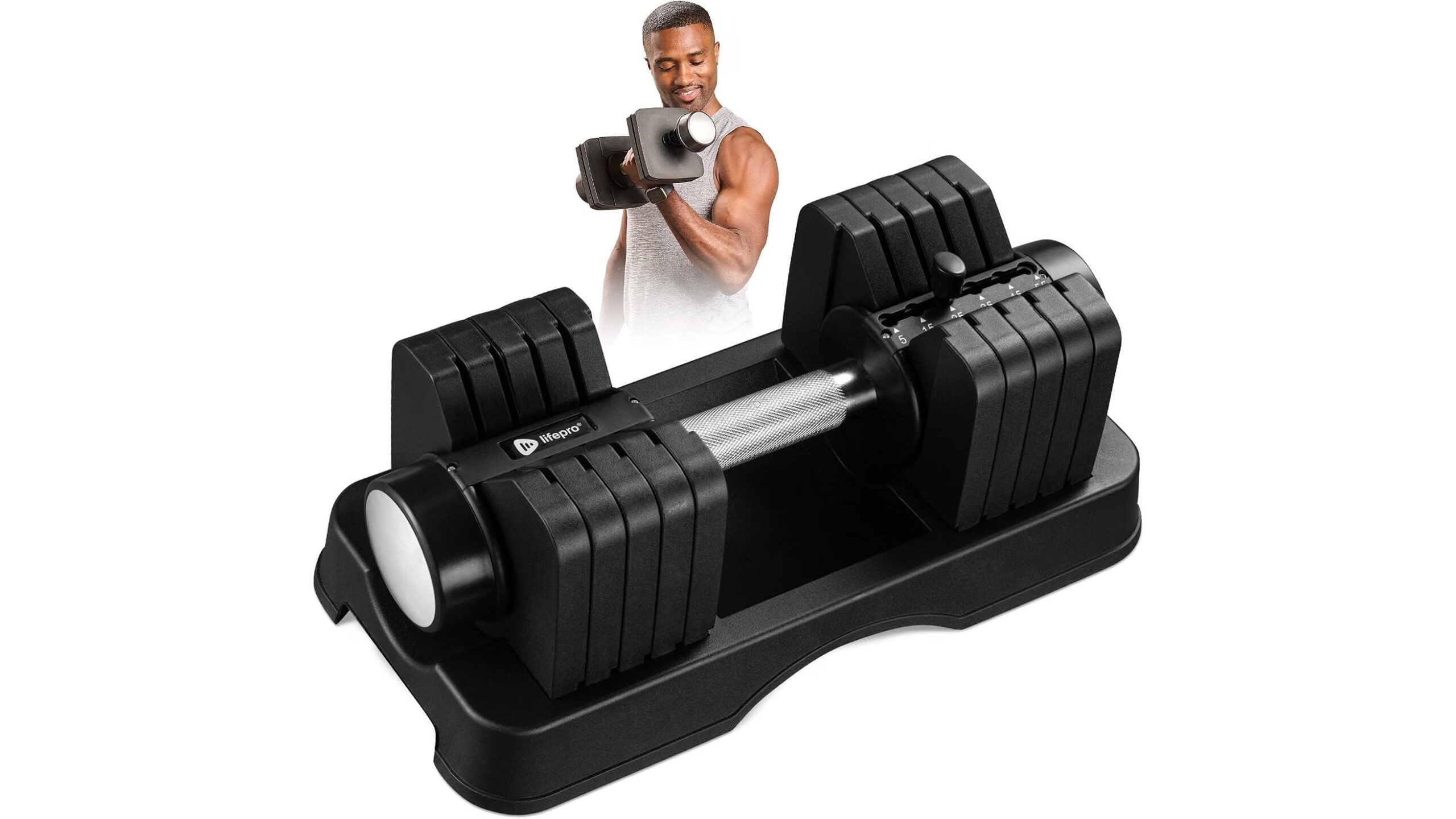
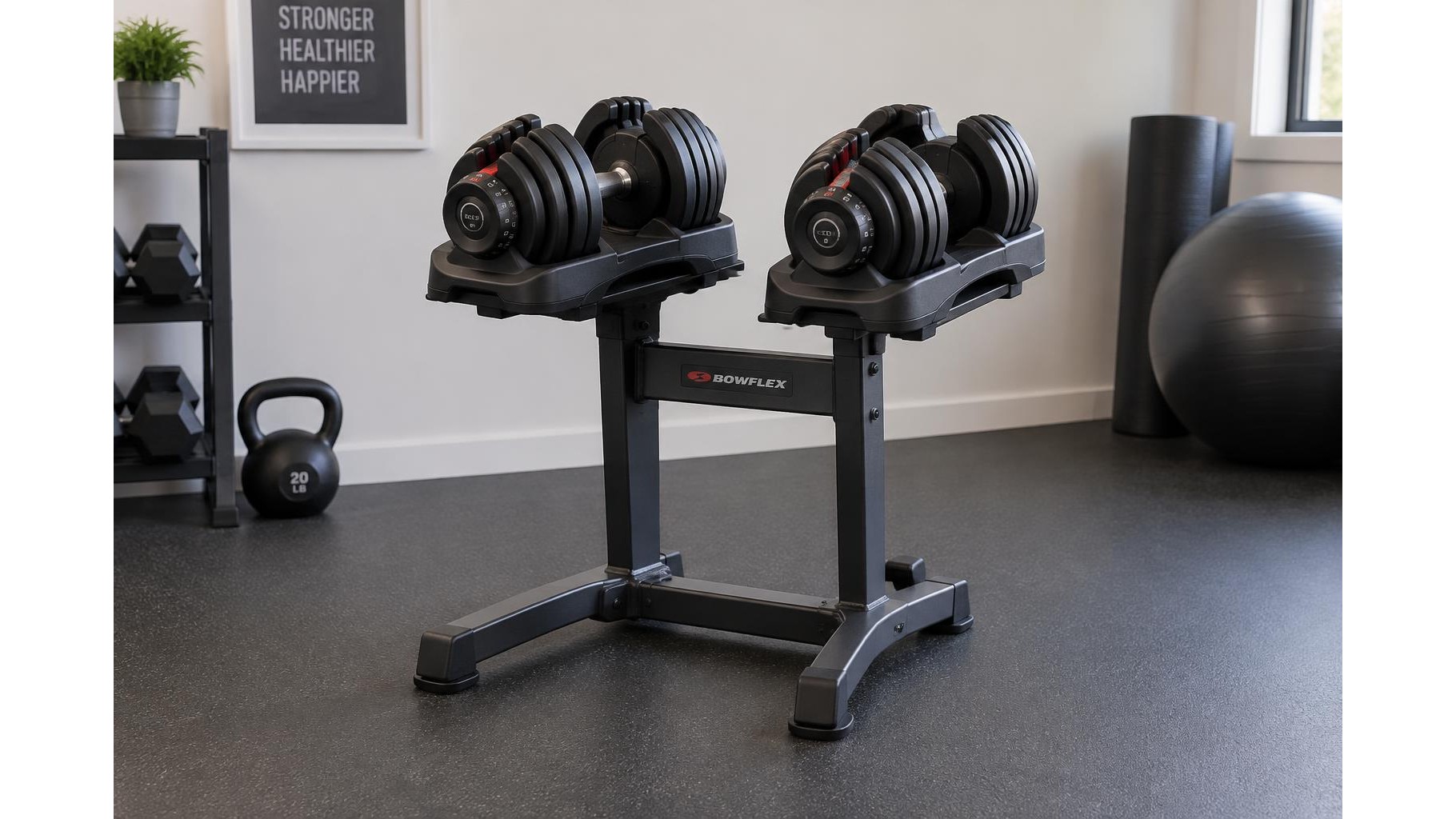
A compact adjustable dumbbell stand can make a small home gym easier to use and safer to move around. It raises the weights off the floor, gives each dumbbell a consistent parking place and can reduce awkward bending when you change loads. But a small footprint alone does not guarantee a good fit: the stand must suit your dumbbell design, support the combined load and let you lift and return the weights without twisting or reaching. Compare the dimensions and construction before buying, then plan where it will sit and how you will use it during a workout.
Measure the footprint and your workout space
Check the stand’s overall width, depth and height, not just the dimensions of its base. Allow extra room for the dumbbells and your hands, plus enough clearance to approach from the front and step away safely. Measure the space with nearby doors, skirting boards and other equipment in mind. A narrow stand may fit beside a wall, but placing it too close can make handles difficult to grasp. If the stand has feet that project beyond its shelves, include those in your floor-space calculation. Leave a clear path around the unit so you are not carrying heavy weights over clutter.
Assess stability and construction
Look for a broad, level base and a frame that does not rock when loaded. A low centre of gravity, sturdy joints and secure, well-fitted hardware help the stand remain steady as you remove one dumbbell or change its position. Review the material and finish, but do not judge strength by appearance alone. Check whether assembly instructions specify how tightly to secure bolts and whether the manufacturer recommends placing the stand on a level, firm floor. Avoid soft mats that make the unit wobble unless the design is intended for that surface. After assembly, test stability with the stand empty before adding weights.
Match capacity to your dumbbells
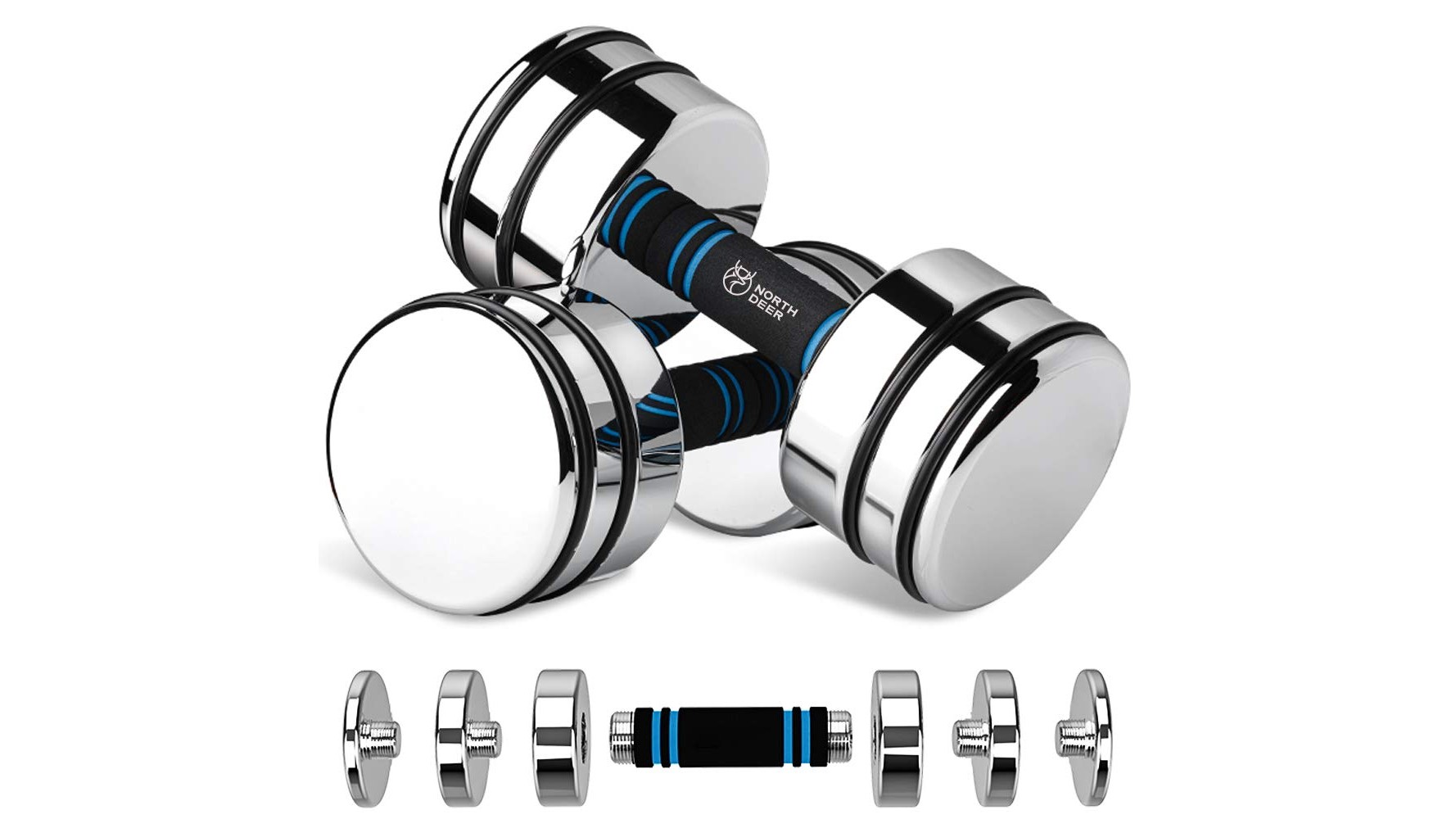
Confirm the stand’s stated maximum weight capacity and whether it refers to the total load or a limit per cradle or shelf. Add the weight of both dumbbells at their heaviest settings and allow a sensible margin rather than choosing a stand that is just at its limit. Also check compatibility: adjustable dumbbells vary in length, shape and the way their plates or cradles are arranged. The dumbbells should sit fully in their supports without overhanging or pressing against the frame. If the stand is designed for a particular system, do not assume another brand or model will fit simply because its advertised weight is similar.
Check handle access and lifting position
Good handle access makes a stand safer in everyday use. The handles should be easy to grip without your fingers being trapped between the dumbbell and its cradle. Look at the spacing between supports and consider the handle diameter, your hand size and the dumbbell’s adjustment mechanism. The stand should place the weights at a height that lets you lift with a neutral wrist and a controlled posture, rather than bending deeply or reaching across the frame. Practise lifting and replacing each dumbbell slowly while it is unloaded or set to a light weight; confirm that it returns to the correct position without force.
Position and load it carefully
Place the stand on a flat, stable surface away from walkways, children and areas where a door might strike it. Follow the maker’s instructions for assembly and load limits. Set dumbbells down gently and evenly in their intended cradles; do not drop them, stack extra plates on the frame or use the stand as a bench or step. When changing weights, keep the other dumbbell secure and avoid leaning on the unit. Periodically check fasteners, feet and supports for looseness or damage, and stop using the stand if it shifts or deforms.
Choose for fit, not just size
The best compact adjustable dumbbell stand is one that fits your room, matches your specific dumbbells and remains stable under the intended load. Prioritise verified dimensions, clear capacity information, secure construction and comfortable handle access. Measure first, check compatibility, assemble it correctly and leave enough space to move safely. These simple checks help turn a small home-gym corner into a more organised and practical training area.