A compact weightlifting platform can make home training more stable and help manage the noise and vibration of deadlifts and Olympic-style lifts. The right choice depends on more than the platform’s footprint: material, thickness, construction and the floor beneath it all matter. Before buying, measure your available space and consider what your building—and your neighbours—can reasonably tolerate.
Choose materials for grip and durability
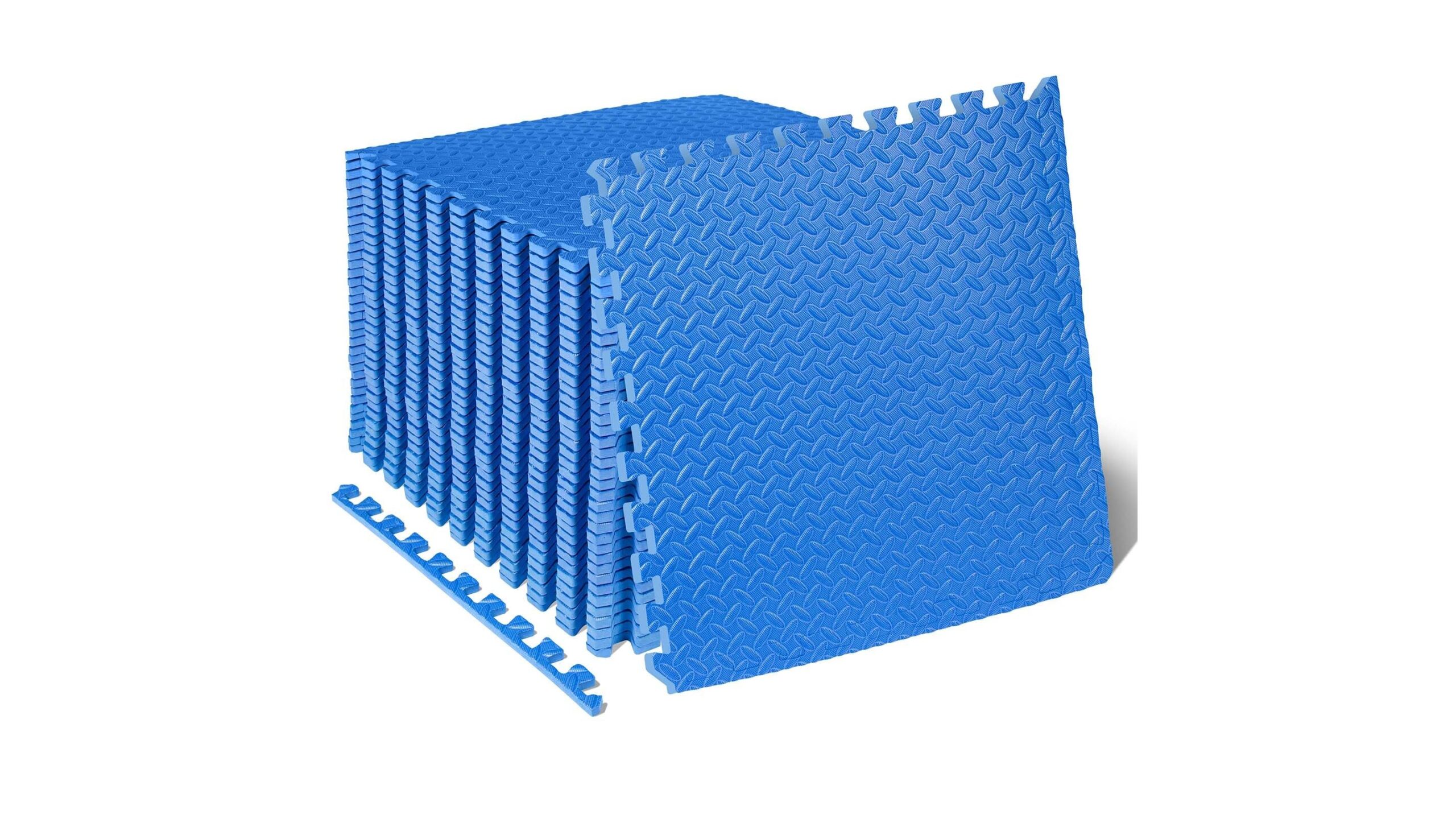
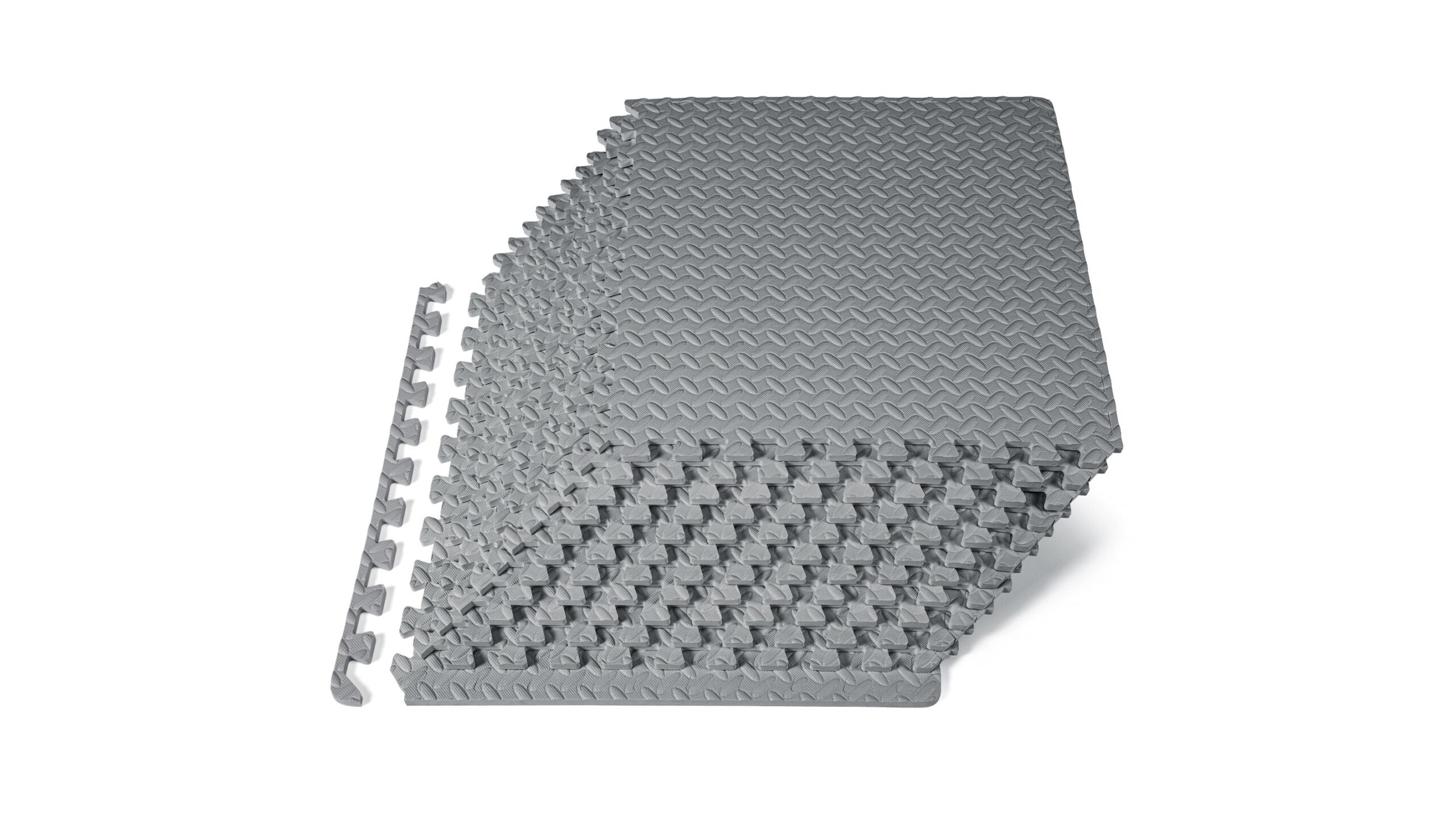
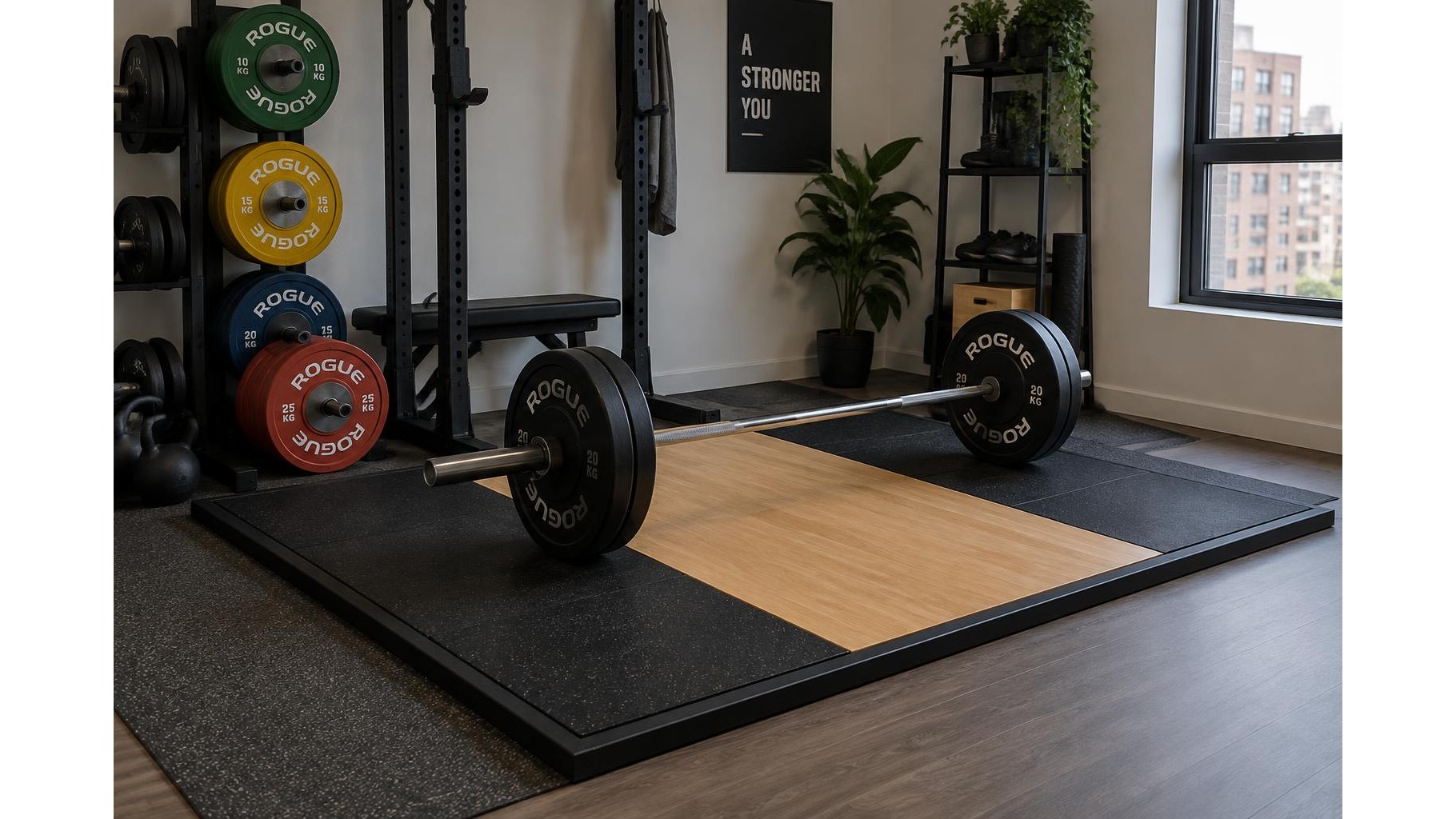
Many platforms combine a firm central lifting surface with rubber around the edges. A wooden centre provides a solid, predictable place to stand, while rubber panels offer grip and help protect the floor from plates. An all-rubber platform is simpler and often easier to assemble, but a very soft surface may feel unstable underfoot. Look for dense, resilient rubber rather than foam, which can compress unevenly under heavy loads. Check that the surface is designed for weights, not just general exercise, and that its finish will not become slippery when dusty or damp. For a quieter home gym, material quality and a close-fitting assembly matter as much as the label on the product.
Measure the footprint and lifting area
Compact platforms vary in size, so compare the stated dimensions with your actual training space. Allow room not only for the platform but also for a barbell, plates and safe movement around the bar. A narrow setup can work for controlled deadlifts, but Olympic-style training needs enough width to receive the bar safely. Check the platform’s usable central area as well as its outside dimensions: thick rubber borders reduce the space available for your feet. Measure doorways and routes into the room, too, especially if the platform arrives as large panels. In a shared room, a modular design may be easier to bring in and reposition than a single rigid unit.
Assess shock absorption realistically
Rubber can reduce impact noise and protect a floor, but it cannot make dropped weights silent. Thicker, denser rubber generally offers more cushioning than a thin mat, while too much softness can make the bar rebound unpredictably or compromise balance. Consider how you lift: controlled deadlifts place different demands on a platform than repeated Olympic-style drops. Use bumper plates where appropriate and lower weights under control whenever possible. A platform is one part of a noise-control plan, not a substitute for thoughtful lifting, suitable plates and considerate training hours.
Check floor compatibility before installation
Identify the floor under the platform. Concrete is typically more tolerant of heavy loads than timber joists, suspended floors or older floors, which may transmit vibration or have load limits. If you rent, ask your landlord or building manager before installing anything that could mark, compress or damage the floor. Check whether the platform needs a level, clean surface and whether its underside could stain vinyl, wood or carpet. A separate protective layer may help, but it must not introduce instability. Avoid fixing a platform permanently to a floor unless you have permission and know the floor construction.
Inspect assembly, stability and upkeep
Before training, make sure every panel sits flush and the platform does not rock, slide or leave gaps. Follow the maker’s assembly guidance and recheck joins after the first sessions. Keep the lifting area clear, and inspect rubber for splits, loose sections or persistent compression. If you are comparing options, verify the product dimensions, materials, weight capacity and intended use rather than relying on promotional claims. No Amazon product listings were returned for the searches used to prepare this guide, so confirm current availability and specifications independently before purchasing.
For a quieter compact home gym, prioritise a stable, dense surface that fits your lifts and your floor—not simply the thickest or smallest platform. Measure carefully, consider building rules, use suitable plates and control each descent. Those practical checks help renters and apartment lifters choose a setup that supports confident training while limiting avoidable noise and floor damage.