Training at home has gone from a stopgap solution to a long‑term lifestyle, and the right smartwatch for home fitness can now rival what you get in a commercial gym. In 2026, wearables combine advanced heart rate tracking, automatic rep counting, rich workout profiles, science‑based recovery metrics and tight smart integration with your favourite apps and devices. Choosing well means turning your living room, garage or small studio into a much smarter training space.
Accurate heart rate zones for effective home workouts
The foundation of any good home fitness smartwatch is accurate heart rate monitoring. Without a coach watching your form or a studio instructor pushing you, the watch needs to guide intensity through precise heart rate zones. Look for multi‑LED optical sensors, high sampling rates and algorithms tuned for both steady cardio and interval training. Features like real‑time zone alerts, maximum heart rate auto‑detection and VO2 max estimates help you structure treadmill runs, bike sessions and circuit workouts at home. Your watch should also log training load and intensity minutes so you can verify you are spending enough time in fat‑burn, tempo and high‑intensity zones across the week.
Rep counting and strength tracking in the living room
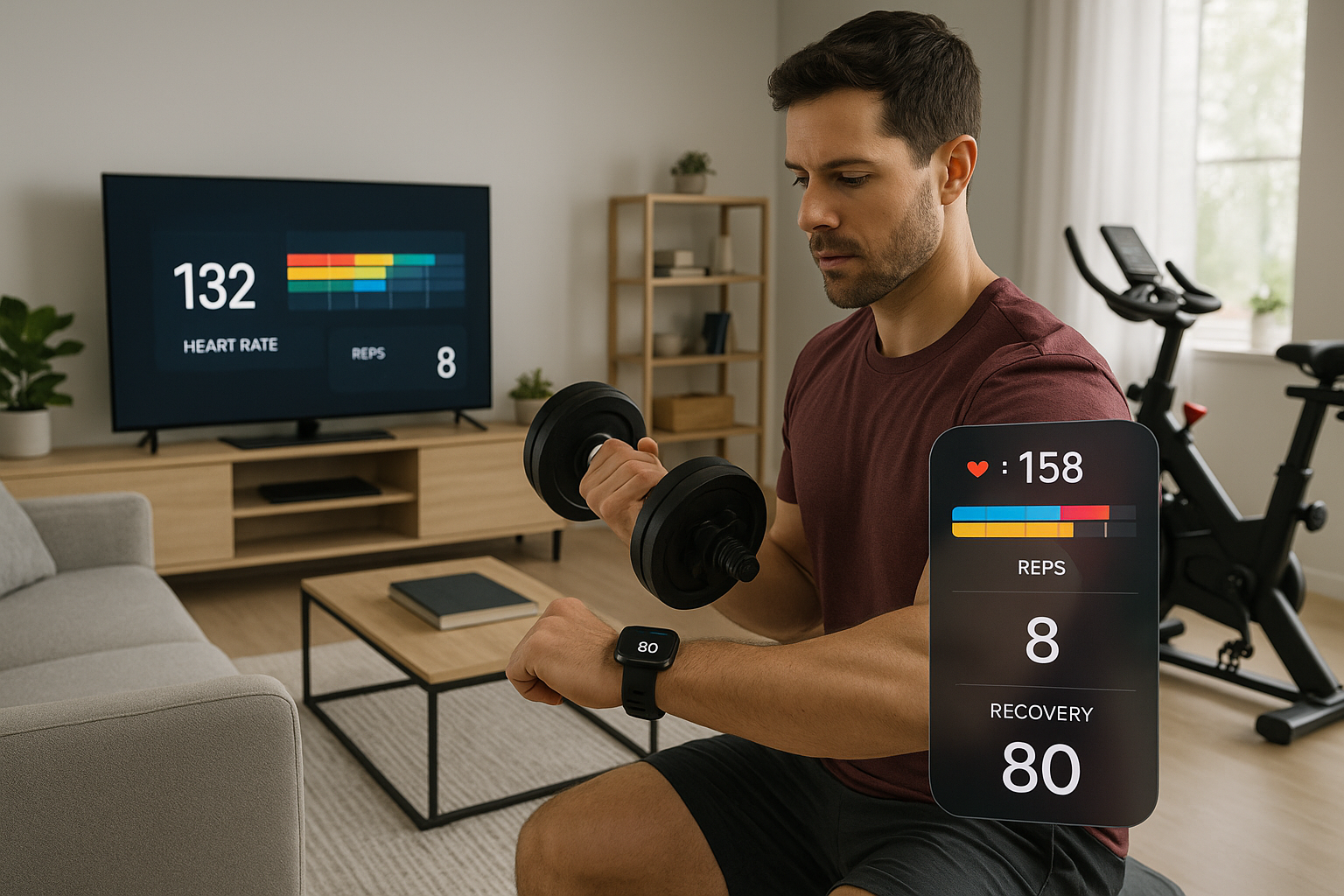
For home strength training, automatic rep counting and set detection are game changers. A capable 2026 smartwatch recognises movement patterns from the wrist to count reps on dumbbell presses, rows, squats and kettlebell work, even when you are training in a small space. Look for devices that log time under tension, rest intervals and estimated volume so you can progress intelligently with limited equipment. Editable exercise libraries and custom moves let you track resistance band routines or bodyweight programmes accurately. When a watch can vibrate to tell you when rest is over, or when you have hit your target reps, it effectively acts as a silent coach, helping you stay focused without needing to check your phone or a wall timer.
Dedicated workout profiles for home training styles
Most people no longer do just one kind of training at home; they mix HIIT, yoga, mobility, functional strength and low‑impact cardio. Your smartwatch should offer specific workout profiles for each, optimising data capture and feedback. HIIT and circuit modes prioritise intervals, heart rate spikes and recovery between rounds. Yoga and Pilates modes emphasise heart rate variability trends and breathing, while strength profiles track sets and reps. A strong home‑focused watch also supports indoor cycling, rowing and walking profiles that do not depend on GPS. Custom workout builders let you design recurring home sessions, with structured intervals visible on your wrist so you can follow along without a TV coach or printed plan.
Recovery metrics to prevent overtraining at home
Training at home makes it easy to sneak in extra sessions, which can quietly lead to fatigue and plateaus. Modern recovery metrics on smartwatches help you balance stress and rest. Look for overnight tracking of sleep stages, resting heart rate trends and heart rate variability (HRV), all combined into a simple readiness or recovery score. Daily guidance such as “focus on light activity” or “ready for hard training” is especially valuable when you do not have a coach monitoring you. Advanced watches also estimate acute and chronic training load, giving you a clear view of whether your current home plan is sustainable or if you need a deload week. This data‑driven approach lets you push hard in limited time without burning out.
Smart integration with apps and home gym devices
Finally, the best smartwatch for home workouts behaves like the hub of your entire ecosystem. Seamless app integration with platforms such as Apple Health, Google Fit, Strava and MyFitnessPal keeps your training, sleep and nutrition in one place. Support for casting heart rate to smart TVs, fitness mirrors and bike trainers allows live on‑screen metrics during classes. Bluetooth and Wi‑Fi connectivity should pair your watch with indoor bikes, rowing machines and smart treadmills, ensuring consistent speed and cadence data. Smart notifications, timers and voice assistant support let you control music, adjust smart lights or check your schedule mid‑session, all from your wrist, keeping your phone parked and your focus locked on the workout.
In 2026, choosing the right smartwatch for home fitness means going far beyond basic step counts. Prioritise accurate heart rate zones, robust rep counting, tailored workout profiles, meaningful recovery insights and reliable integration with your apps and devices. When these elements work together, your watch becomes a personal coach, training log and recovery advisor rolled into one, helping you get more out of every home session, stay consistent over the long term and turn even a small space into a highly effective personal gym.