Training at home is no longer just about an old T‑shirt and baggy joggers. For many fitness enthusiasts, investing in the right compression leggings has become as important as choosing a dumbbell set or a yoga mat. Technical bottoms can boost comfort, support and even post‑session recovery, especially when you spend many hours doing home workouts on your living‑room floor. Understanding how compression works, where it helps, and its limits will make it easier to pick the right pair for your training style.
What are compression leggings and how do they work?
Compression leggings are tight‑fitting technical bottoms designed to apply gentle, graduated pressure to your legs. Unlike everyday fashion tights, they use performance fabrics that offer a snug, second‑skin fit without restricting movement. The idea is to improve blood circulation, stabilise muscles and reduce excessive vibration during impact or dynamic exercises. For home use, this means that during body‑weight circuits, HIIT on a stepper, or treadmill sessions, your legs feel more supported and less fatigued. They should feel firm but not painful, with even pressure from ankle to hip and no sagging around the knees or waistband.
Key benefits for home training
For most people training indoors, the main advantages of compression leggings for home workouts are comfort and consistency. The close fit helps reduce chafing, especially around the inner thighs, and keeps muscles warm even in cooler rooms or garages. This can be useful when you alternate between desk work and quick exercise breaks throughout the day. Some athletes also report reduced muscle soreness after long sessions thanks to better venous return and less micro‑trauma from repetitive movements. Another practical plus: good compression leggings often wick sweat quickly and dry fast, so you don’t end up feeling clammy after a tough kettlebell or circuit training block. While the performance boost is modest, these small gains in comfort can help you train more often and with better focus.
Limits and myths you should know
Despite the marketing buzz, compression clothing is not a magic performance shortcut. It will not replace structured programming, progressive overload or proper nutrition. Scientific studies show that the effects on speed or strength are usually small, though there can be a clearer benefit for recovery and perceived muscle fatigue. It is also important to understand that if your leggings are too tight, you may actually restrict circulation and movement, causing discomfort or numbness. For people with circulatory or skin conditions, it is wise to consult a healthcare professional before using very strong compression. Think of compression leggings as a supportive accessory that enhances a solid training routine, not a tool that can turn a casual home session into elite‑level performance on its own.
Features to look for in indoor‑only use
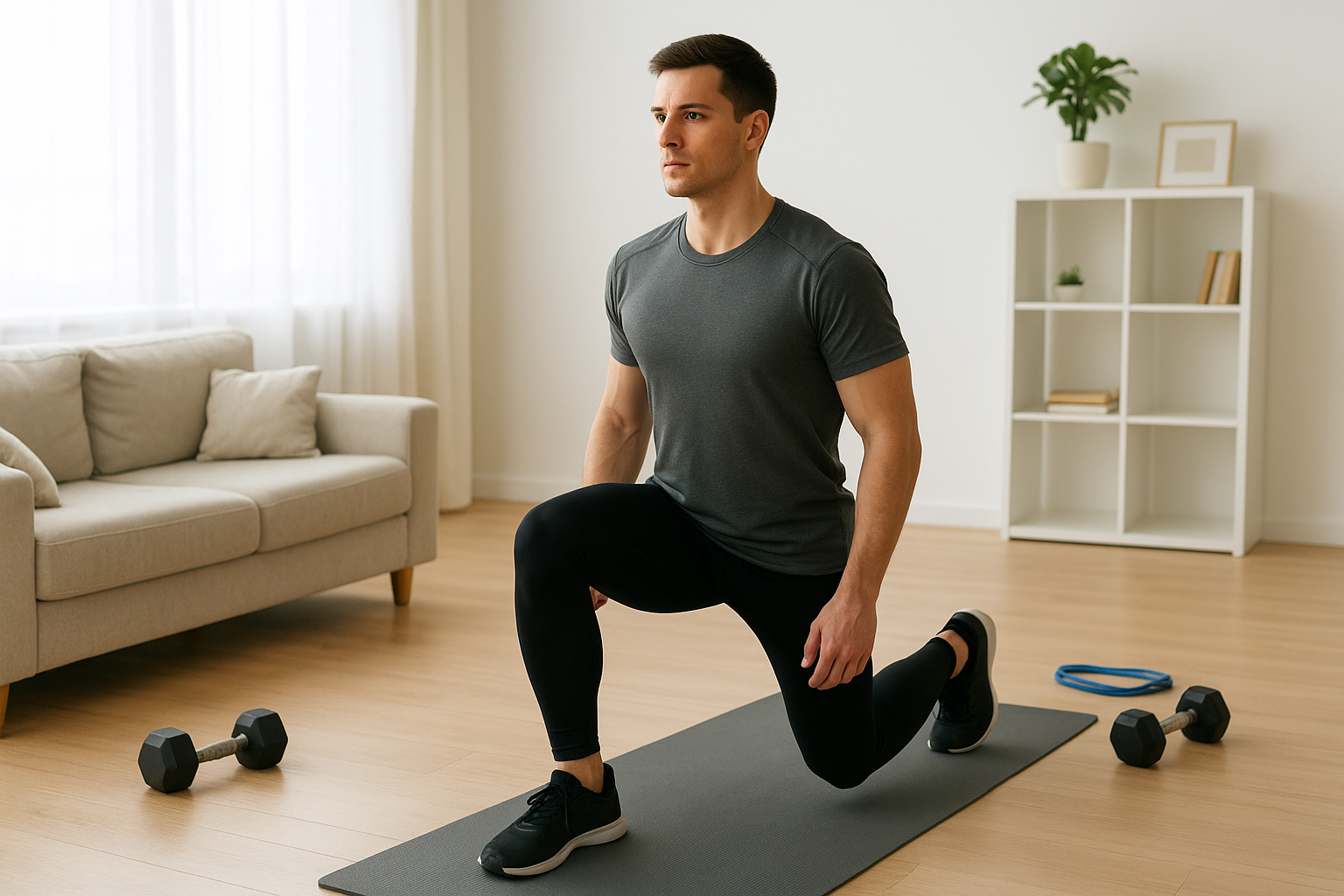
If you mainly train at home, you can prioritise different features than someone running in heavy rain or cold. Focus on a wide, secure waistband that doesn’t roll when you squat, lunge or do burpees on a mat. Look for flatlock seams to minimise irritation when you move in multiple planes, such as during mobility flows or Pilates. A breathable, quick‑drying polyester‑elastane blend usually works better than thick cotton, which tends to trap sweat. In an indoor setting you may not need heavy thermal fabric, but light to medium compression that hugs without digging in. Opaque material is important too, so the leggings don’t become see‑through under bright home lighting when you hinge or stretch. Extras like a small waist pocket can be useful for storing keys or a remote, but for most home athletes, fit and fabric quality should be the top priorities.
Choosing the right compression level and fit
To get the best out of compression leggings at home, sizing is crucial. Always measure your waist, hips and inseam and compare them with the brand’s chart rather than guessing your usual jeans size. When you put them on, you should need a bit of effort to pull them up, but still be able to bend, squat and sit comfortably. If you feel pinching around the waist or ankles, or if the fabric creates deep marks on the skin after a short session, the compression may be too strong. For mixed routines that include yoga, mobility and HIIT, a moderate level of compression is usually enough. Remember that the leggings will slightly relax with wear, so they should feel snug from day one. Investing in one or two well‑fitting pairs is often better than rotating several cheaper options that lose their structure quickly.
Building your home gym wardrobe smartly
When you plan your home gym wardrobe, treat compression leggings as part of your core equipment, alongside a quality mat and supportive shoes. Start with a versatile, mid‑weight pair that works across strength, cardio and flexibility sessions, then add more specialised options only if your routine demands them. Pay attention to fabric feel, seam placement and waistband security rather than chasing bold prints alone. Over time, the right technical bottoms will help you stay comfortable through longer sessions, recover more smoothly and maintain better training habits. Used intelligently and combined with smart programming, compression leggings can genuinely make a difference to how you move and feel during every home workout.