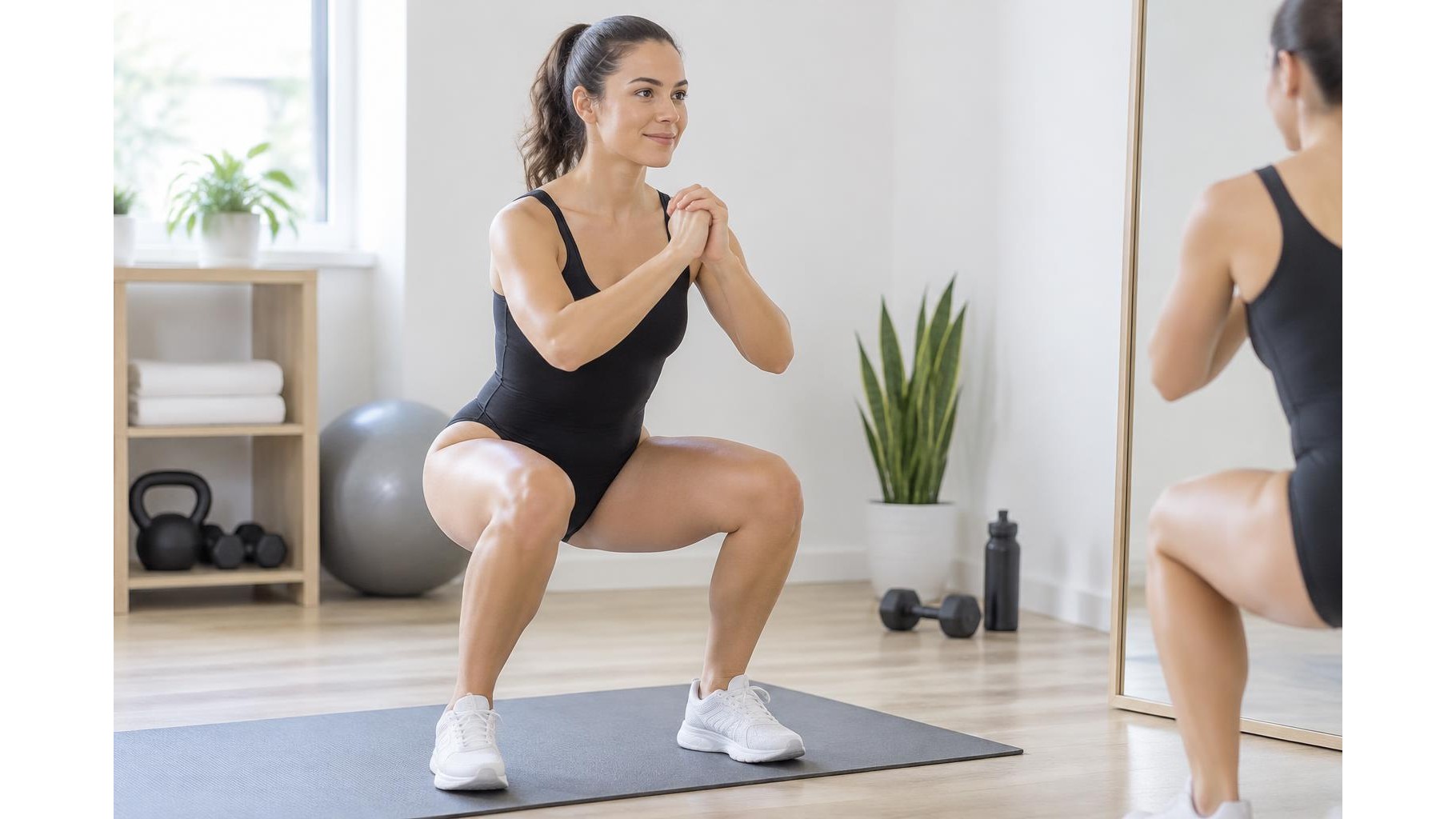
A training leotard can make home workouts feel streamlined and comfortable, but the right choice depends on more than appearance. Fabric, coverage, seams and support all affect how well it performs during strength sessions, dance-inspired cardio or mobility work. Before buying, consider the movements you do most often and check whether the design stays secure through a full range of motion.
Look for stretch with reliable recovery
A good training leotard should stretch in several directions so you can squat, lunge and reach without feeling restricted. Nylon or polyester blends with elastane are common choices: the synthetic fibres can dry quickly, while elastane adds flexibility. Check that the fabric returns to shape after being gently stretched. If it feels thin, slack or prone to staying distorted, it may become less supportive with repeated wear. For home workouts, a fabric with enough weight to feel secure can also help reduce unwanted transparency when it stretches.
Choose coverage for your movements
Coverage is personal, but it should suit both your workout and your comfort level. Consider the neckline, leg openings, back design and overall torso length. A high neckline or wider straps may feel more secure during floor exercises, while leg openings should sit flat without cutting in or shifting. If you plan to wear the leotard without additional layers, check whether the front and seat provide the coverage you want in a deep squat or forward fold. Product sizing charts and garment measurements are more useful than relying on a size label alone.
Assess built-in support
Some leotards include a shelf bra or removable cups; others are designed to be worn with a separate sports bra. Built-in support can be convenient for low-impact sessions, stretching and light strength work, but it may not provide enough control for running, jumping or vigorous cardio. Look for a supportive under-bust band that lies flat and does not roll. If you need greater support, make sure the neckline and armholes allow you to wear a sports bra comfortably underneath, without straps or fabric bunching.
Pay attention to seams and construction
Seams can affect comfort as much as fabric. Flat or smooth seams are less likely to rub during repeated movement, especially around the shoulders, underarms and inner legs. Inspect the stitching for evenness and check that there are no stiff labels or rough edges where the garment contacts the skin. A well-finished leotard should feel secure without pinching. Also consider closures: a simple pull-on design avoids hardware pressing into your back during floor work, while any fastenings should remain covered and stable.
Test the fit before committing
Try the leotard on and move through a short set of realistic checks. Do several squats and lunges, reach both arms overhead, twist gently and lie on your back or side. Notice whether the torso rides up, straps slip, leg openings shift or the fabric becomes see-through under tension. You should be able to breathe freely and move without constantly adjusting the garment. If a size feels restrictive across the shoulders or torso, compare the next size rather than assuming the fabric will loosen sufficiently.
Care for technical fabrics
Follow the care label, and wash after sweaty sessions to remove salt and body oils. A cool, gentle wash with mild detergent helps preserve stretch; avoid fabric softener, which can leave residues on technical fibres. Fasten hooks or closures before washing and use a laundry bag if the garment is delicate. Air-dry it away from direct heat instead of using a hot dryer, as high temperatures can weaken elastane. Store it fully dry, and avoid leaving it damp in a gym bag.
In summary, choose a leotard that combines comfortable stretch, dependable coverage, smooth seams and appropriate support for your workout intensity. A few movement checks can reveal fit problems before your first session, and careful washing helps the fabric retain its shape. Prioritise how it feels during your actual home exercises, not just how it looks on a hanger.