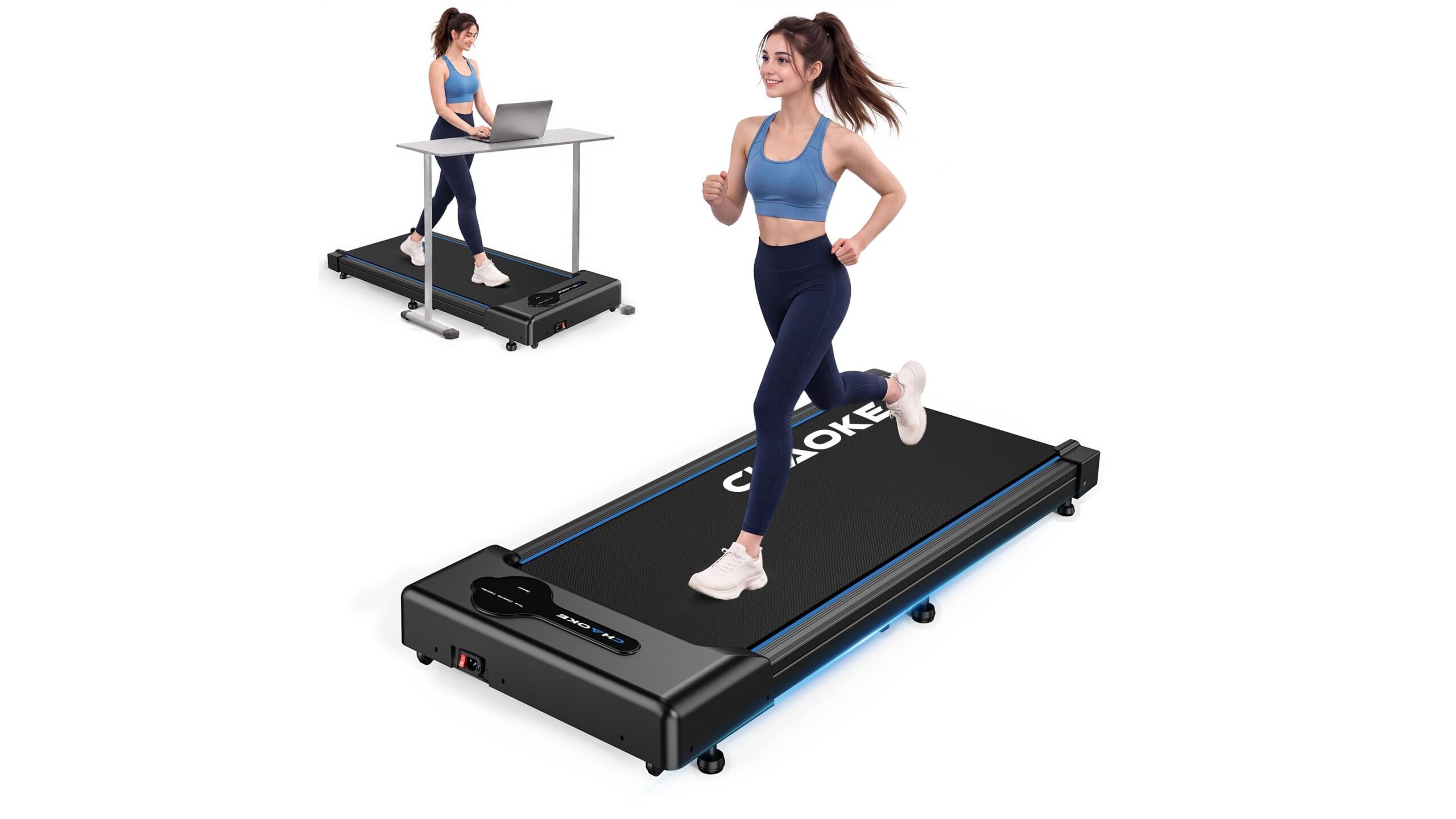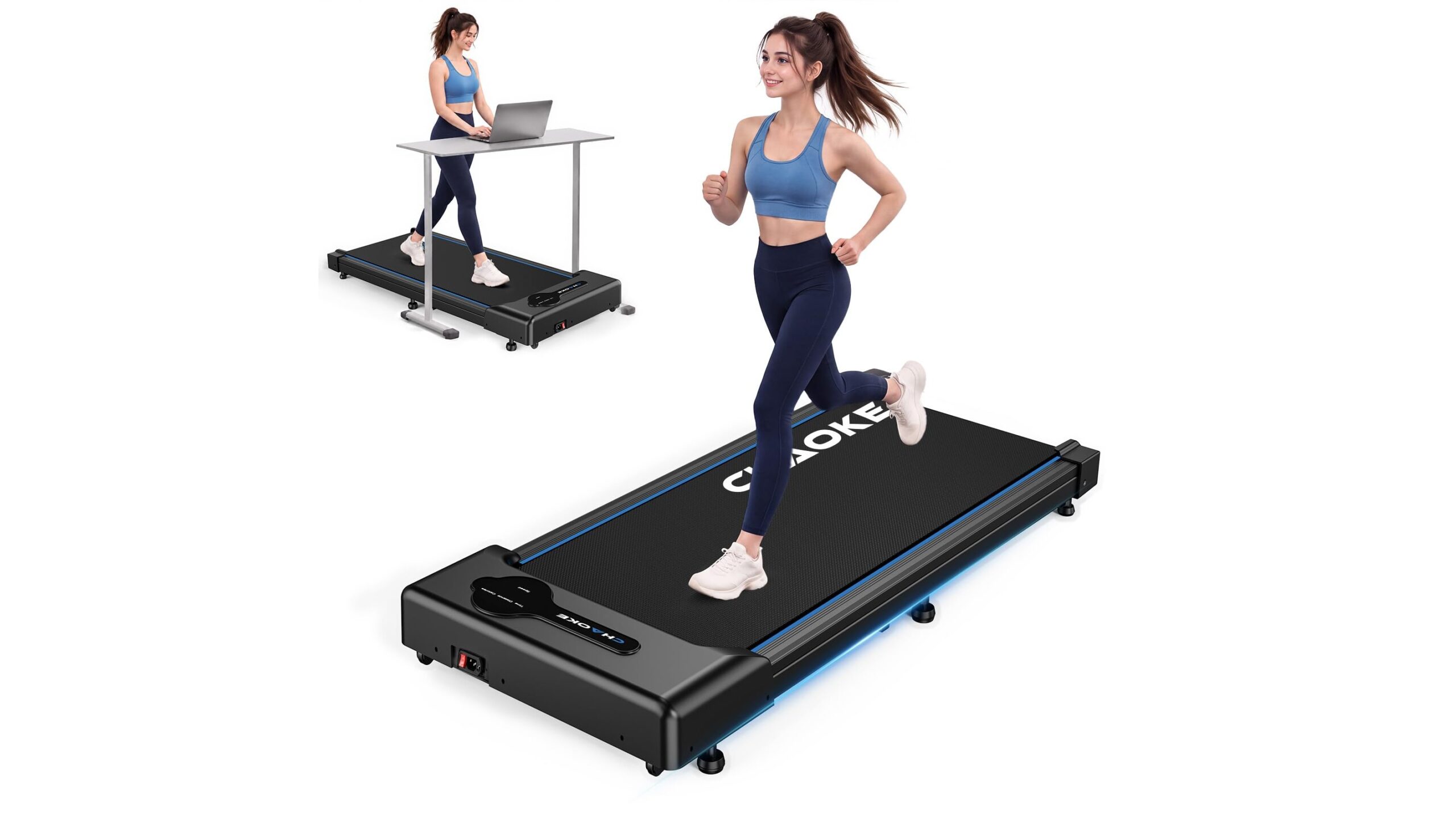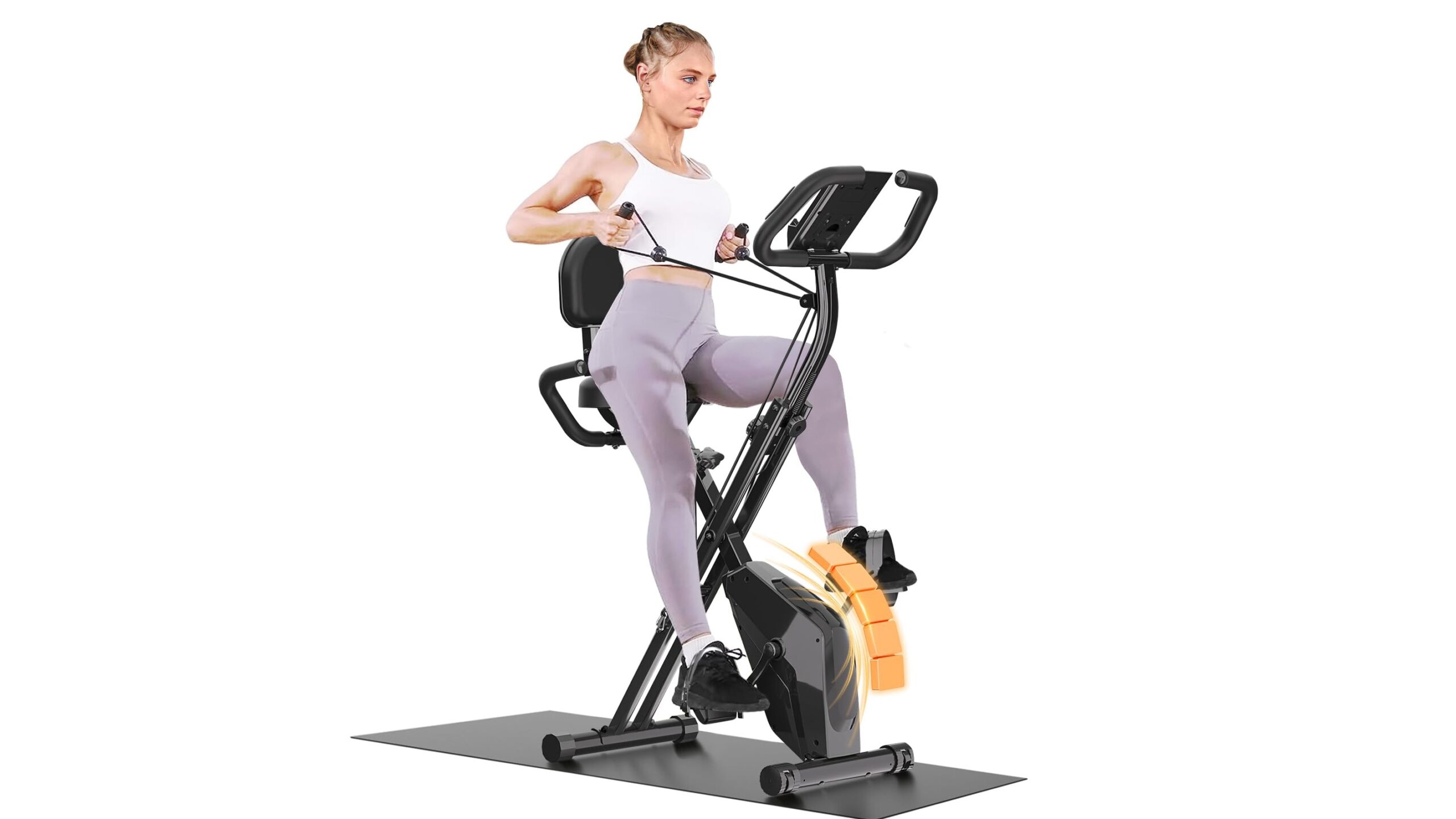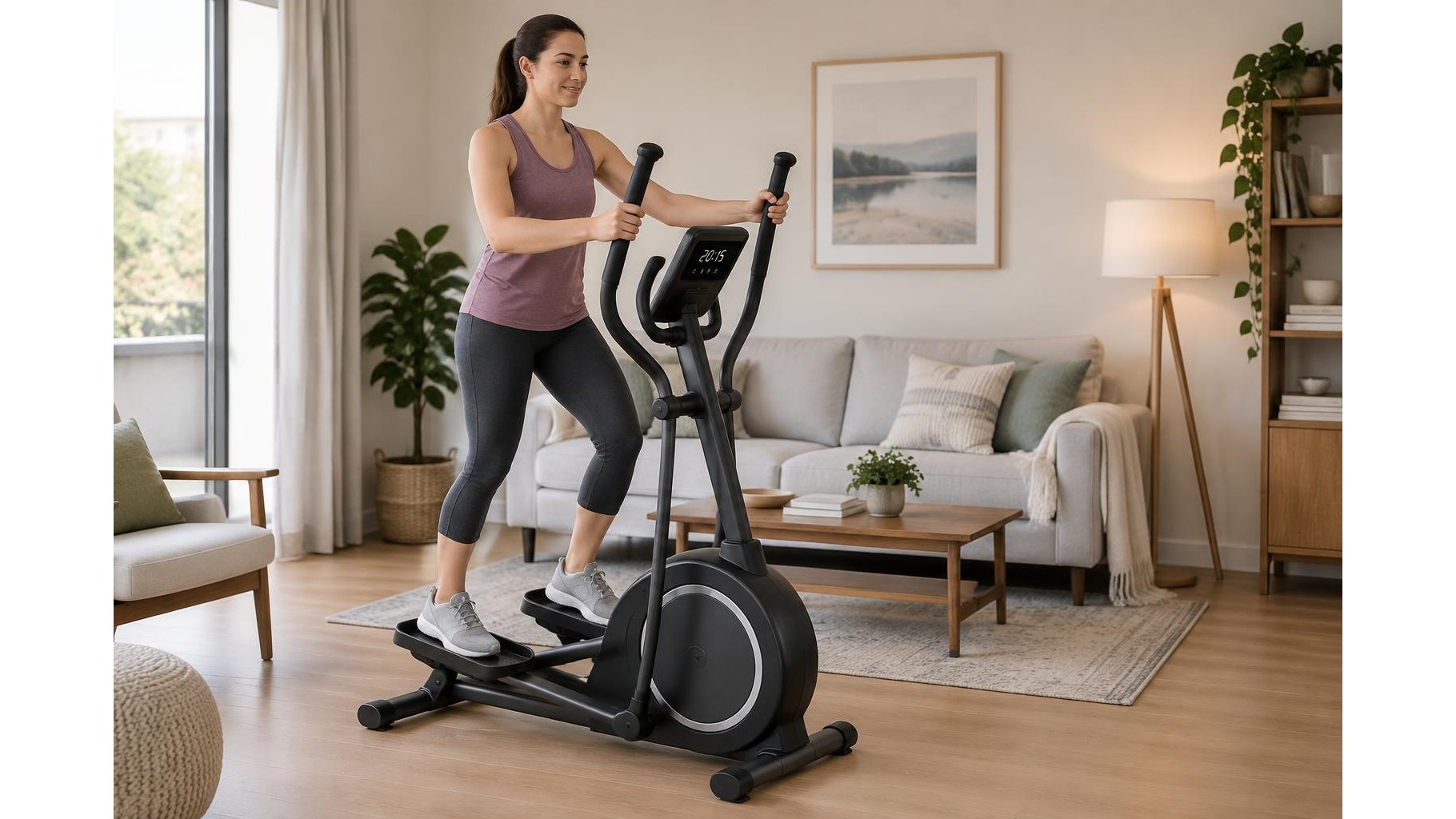
A compact elliptical can make regular cardio practical in a shared room, spare bedroom or apartment, but “quiet” depends on more than whether the machine has a fan. The resistance system, moving parts, floor contact and your own pace all affect the sound you hear. Use this guide to compare the features that matter, understand which specifications deserve attention, and make a useful in-person test before buying.
Magnetic resistance and quiet operation
For low-noise home cardio, look first for magnetic resistance. Magnets change the braking force on the flywheel without touching it, so the resistance mechanism can run smoothly and avoid the friction noise associated with contact-based braking. This does not make every magnetic elliptical silent: bearings, pedals, joints and loose covers can still click or creak. Ask how resistance is adjusted and whether the controls let you make small changes without interrupting your cadence. A machine with several usable levels is more helpful than one with a large number of settings that feel nearly identical. Also check the stated maximum user weight and warranty, since a sturdy frame and well-supported moving parts can matter for consistent operation over time.
Stride feel matters more than a headline number
Stride length affects how natural the motion feels, but the right figure depends on your height, leg length and preferred pace. A short stride may feel cramped for a taller user, while a longer stride can feel awkward in a very compact design. If possible, try the machine in person: stand upright, hold the handles lightly and pedal both slowly and at a brisk pace. Notice whether your heels stay supported, your knees track comfortably and the movement feels continuous rather than jerky. Check the pedal spacing, too. A narrow, natural stance is often more comfortable than pedals that force your feet unusually far apart. If more than one person will use the elliptical, have each regular user test it.
Console basics for everyday workouts
A console does not need to be complicated to be useful. Look for easy-to-read displays of time, speed, distance and estimated calories, plus resistance controls that are simple to reach while moving. Heart-rate readings can be a helpful rough guide, though handle sensors are not a substitute for a dedicated monitor. Check whether the screen is visible from your natural posture and whether buttons respond without a hard press. Pre-set programmes, Bluetooth and app connections are extras, not essentials, unless they will genuinely motivate you. For shared rooms, consider whether beeps can be muted and whether the console stays readable in the room’s lighting.
Measure the space and assess noise at home
Compare the machine’s assembled footprint with the area available for both the frame and safe access. Allow room to step on and off, move the pedals fully and use the handles without hitting a wall or furniture. Check folded dimensions only if the machine is designed to fold; do not assume a compact footprint means easy storage. Noise testing should include more than a few seconds of pedalling. Listen at slow and brisk cadences, change resistance, and check for knocks or rattles. If you live above another household, vibration transmitted through the floor may matter as much as sound in the room. A firm, level surface and a suitable exercise mat can help, but will not fix a loose or unstable machine.
Specifications to verify before buying
Prioritise the details that shape fit, stability and regular use: stride length, user-weight limit, resistance range, machine weight, dimensions and warranty. A heavier frame may feel steadier, while transport wheels can make repositioning easier; confirm that both suit your space. Read assembly requirements and check whether maintenance involves tightening bolts or lubricating specified parts. Reviews can reveal recurring noises, but compare comments from users with similar expectations and workout habits. Treat advertised calorie totals and broad claims such as “whisper quiet” as estimates, not guarantees. When possible, use a return policy that gives you time to assess comfort and sound in your own room.
For quiet apartment cardio, choose an elliptical that feels natural at your usual pace, has smooth magnetic resistance and fits the room with space to spare. Test the stride, controls and sound before committing, then verify the dimensions, stability, weight limit and warranty. A simple console and a well-built, fan-free design are often more valuable for regular workouts than a long list of features.