Choosing between a compact elliptical and a recumbent stepper comes down to more than price or appearance. Both can provide low-impact cardio at home, but they differ in posture, movement, space requirements and the kind of effort they encourage. Understanding those differences can help you match a machine to your room, comfort needs and training goals.
Movement patterns and muscle use
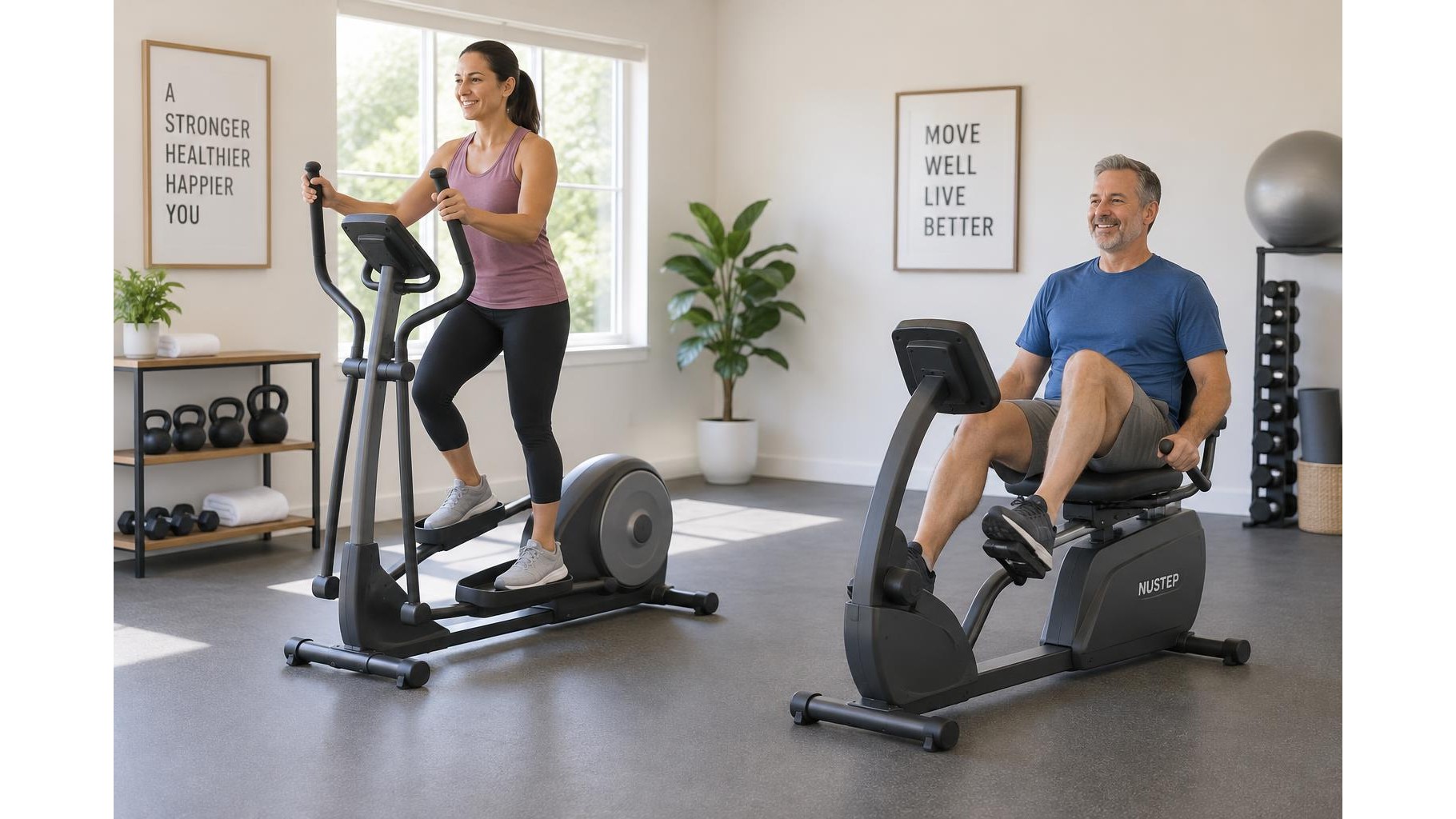
A compact elliptical uses a standing, continuous gliding motion. Your feet follow elliptical paths while you support your body upright, and many models include moving handles to involve the arms. This can feel closer to walking or jogging while avoiding the repeated impact of running. A recumbent stepper is used seated, with a supported back and pedals that move in a stepping pattern. Depending on the design, handgrips may let you work your arms at the same time. The seated action can be easier to manage if prolonged standing is uncomfortable.
Footprint, storage and setup
“Compact” does not mean every elliptical is small: check the machine’s assembled dimensions, stride length and clearance around the pedals. Its upright frame may take less floor space than a large cross trainer, but you still need room to stand safely and step on and off. A recumbent stepper usually has a longer, low profile because of its seat and backrest. It may be easier to approach, though less convenient to tuck away. Measure the intended space, including access routes and room for safe mounting, before buying either style.
Accessibility and everyday comfort
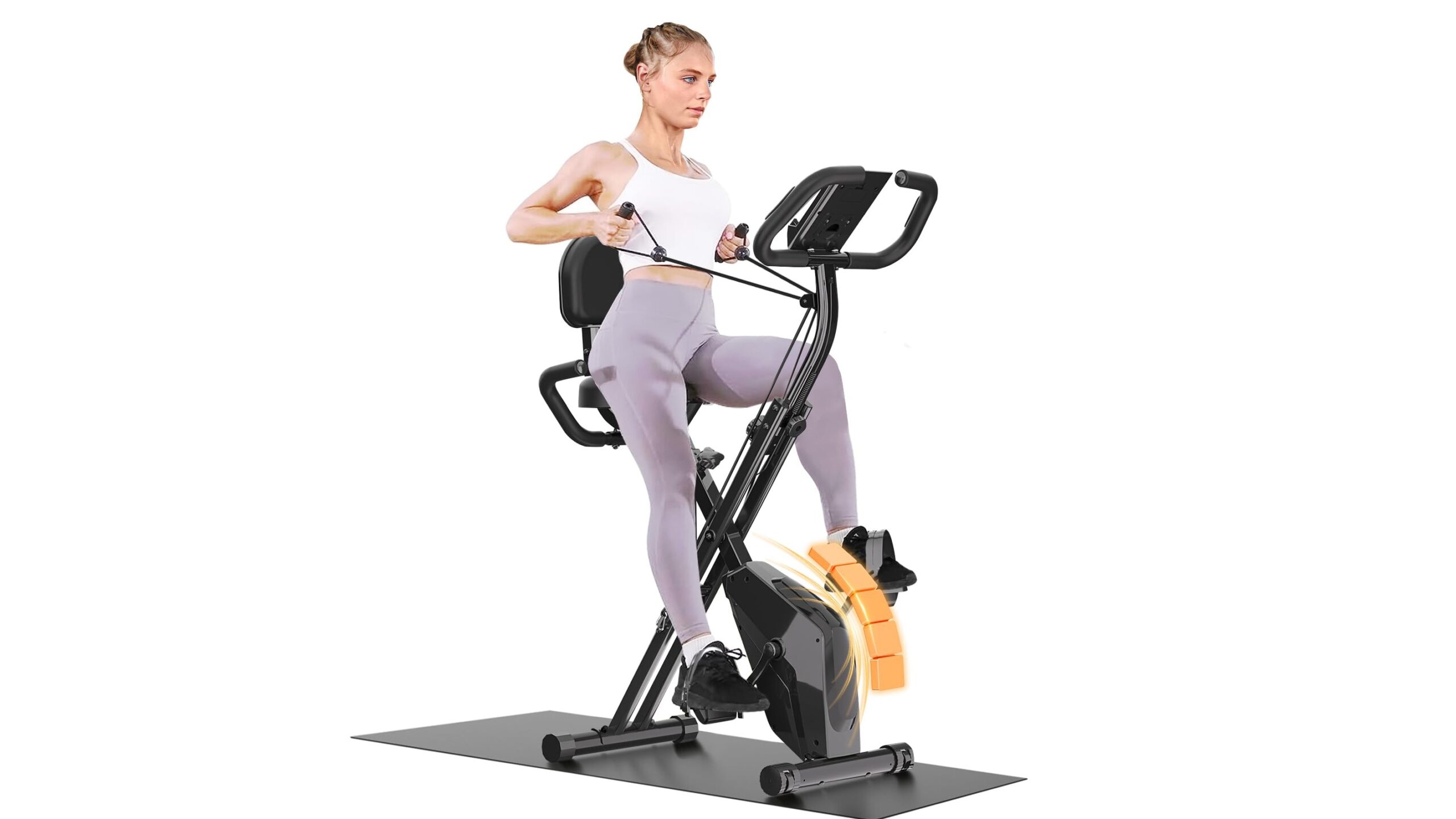
The recumbent stepper’s chair-like position offers back support and can reduce the need to balance while exercising. This may suit people who prefer seated workouts or have difficulty standing for extended periods. However, check seat height, adjustability and how easily you can transfer onto it; a supportive seat is only useful if it fits your body and mobility. An elliptical requires standing balance and the ability to step onto the pedals, but its upright position may feel more natural to people accustomed to walking. Try both movement patterns when possible.
Workout intensity and progression
Either machine can support gentle sessions or more demanding cardio, depending on resistance, pace and duration. On an elliptical, increasing resistance or cadence raises the challenge, while moving handles can add upper-body work. The standing position may also make the session feel more dynamic. A recumbent stepper can provide controlled, repeatable effort, and its supported posture may help some users exercise for longer. Compare resistance levels and adjustment options rather than assuming one machine is inherently more intense. Begin comfortably and progress gradually.
Which machine fits your goals?
For a more upright, walking-like workout and a compact alternative to a full-size cross trainer, consider an elliptical if standing comfortably is not a concern. For supported seated cardio, easier balance demands and a stable backrest, a recumbent stepper may be the better match. Check weight limits, pedal access, noise, assembly and warranty alongside the headline features. If you manage an injury or health condition, ask a qualified clinician which movement is appropriate before starting a new routine.
In short, choose by movement preference, accessibility and available floor space, not by the machine’s label alone. The compact elliptical favours upright gliding cardio; the recumbent stepper prioritises seated support and controlled stepping. Matching the equipment to your comfort and realistic training habits is the best way to make low-impact home cardio sustainable.