Why compare the whole movement
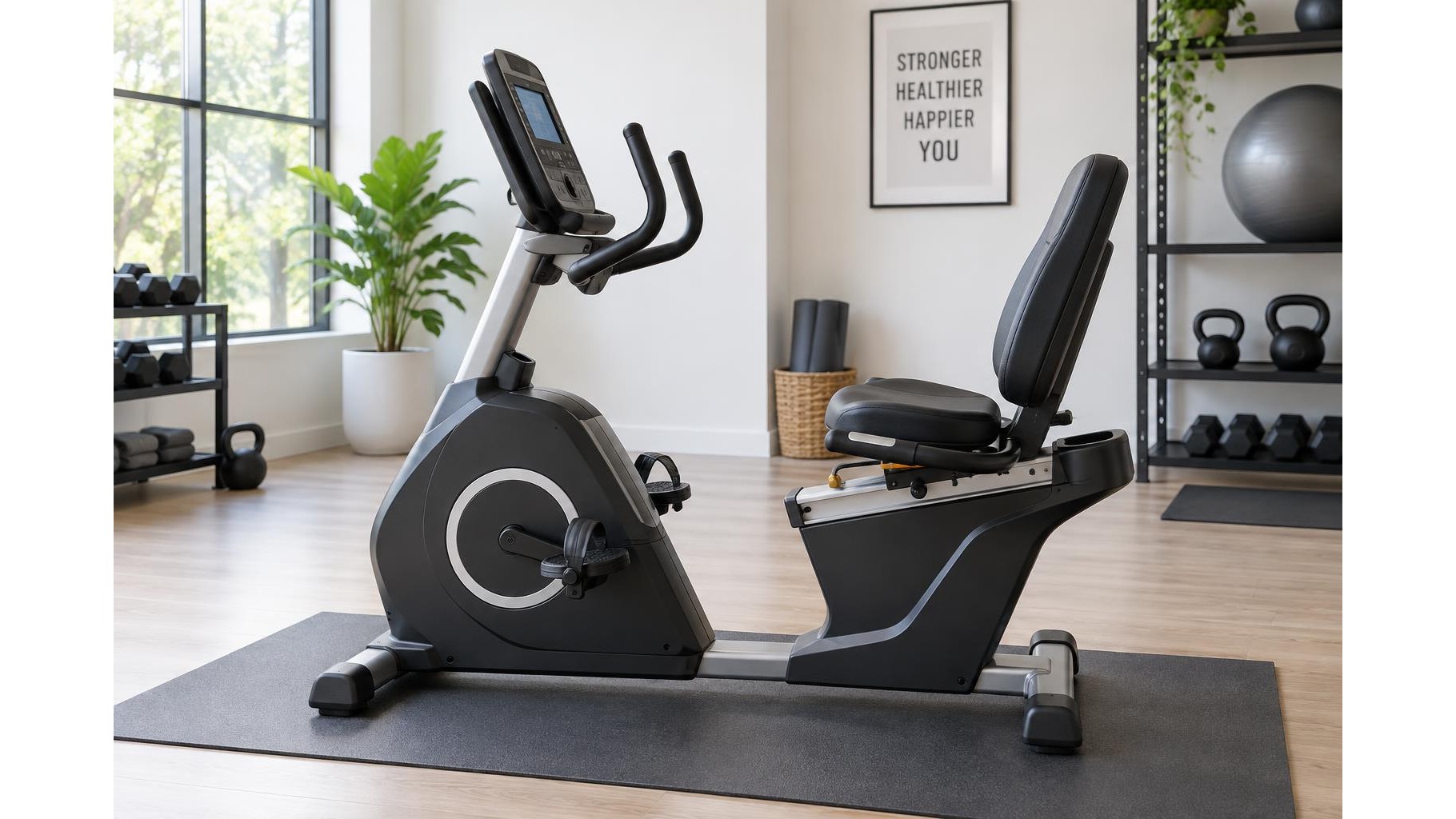
A recumbent bike with moving arms combines supported, seated pedalling with an upper-body action, making it an option for home cardio when you want to involve more than your legs. But “moving arms” can describe quite different mechanisms, and a compact frame does not guarantee a comfortable fit or easy storage. Before buying, compare how the handles move, how the seat adjusts, what resistance is available, whether the console is practical, and how much usable space the machine needs.
Check the handle motion and grip
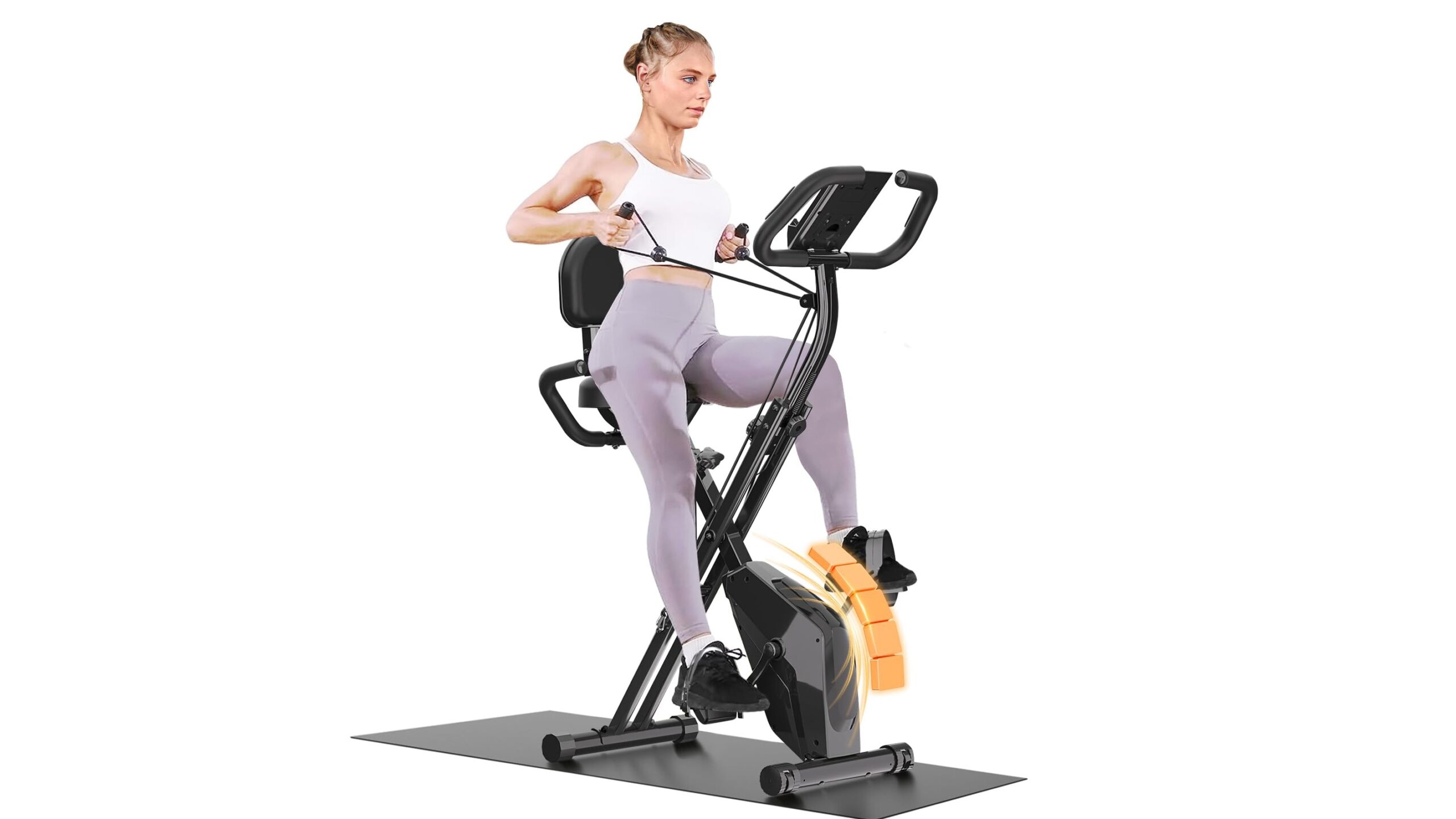
First establish whether the handlebars move independently or are linked to the pedals. Independent arms may let you set your own rhythm, while linked movement can encourage a coordinated push-pull action. Neither design is automatically better: consider which feels natural and whether the movement can be used without aggravating your shoulders or wrists. Look for a comfortable grip, a suitable range of motion and controls that are reachable while exercising. If possible, try the mechanism in person; product descriptions and photographs rarely show how the handles feel through a full cycle. Also check whether the arms can be held still if you sometimes want a leg-focused session.
Fit the seat to your body
A recumbent position should feel supported, not cramped. Check how far the seat moves and whether adjustment is quick and secure. When seated, you should be able to reach the pedals with a slight bend in the knee at the farthest point, without shifting your hips to compensate. Pay attention to seat-back support, cushioning and the distance between the seat and moving handles. A model may have a small advertised footprint but still need extra clearance behind the seat to accommodate adjustment. If more than one person will use the bike, a wide adjustment range and straightforward locking mechanism become especially important.
Compare resistance and training control
Resistance determines how easily you can vary effort, so check the number of levels and how they are changed. Manual resistance can be simple and may suit steady sessions; electronic settings can make it easier to select a repeatable workload, though they depend on the console and power arrangement. Consider whether the lowest level is comfortable for gentle movement and whether the higher levels offer enough challenge for your goals. A clear progression between settings is more useful than a long list of levels with little practical difference. Treat calorie, distance and pulse readings as estimates rather than precise measurements.
Assess the console and everyday usability
Look for a display you can read from the reclined position, with essential information such as time, speed, distance and resistance easy to find. Simple controls can be preferable to complicated menus, particularly if you want to start exercising quickly. Check what the machine actually includes: a heart-rate sensor, device holder or preset programmes should not be assumed from a generic product image. Also consider whether the console needs batteries or mains power, and whether its buttons remain accessible while the arm handles are moving.
Measure the footprint, not just the frame
Compare the bike’s assembled dimensions with the space available, allowing room to get on and off and to move the seat. Note its weight, whether transport wheels are fitted and whether it can be moved safely across your floor. A compact model may be easier to position, but stability matters during arm work: check the stated user-weight limit and look for a solid base. Review assembly requirements, warranty terms and return arrangements, since these affect the ownership experience as much as headline features.
Choose for fit and consistent use
The best compact recumbent bike is the one that suits your body, training style and room. Prioritise a comfortable seat and natural arm action, then compare resistance control, console readability and the full space required in use. Check specifications carefully and, where possible, test the movement before committing. A thoughtful fit is more likely to support regular home training than the longest feature list.