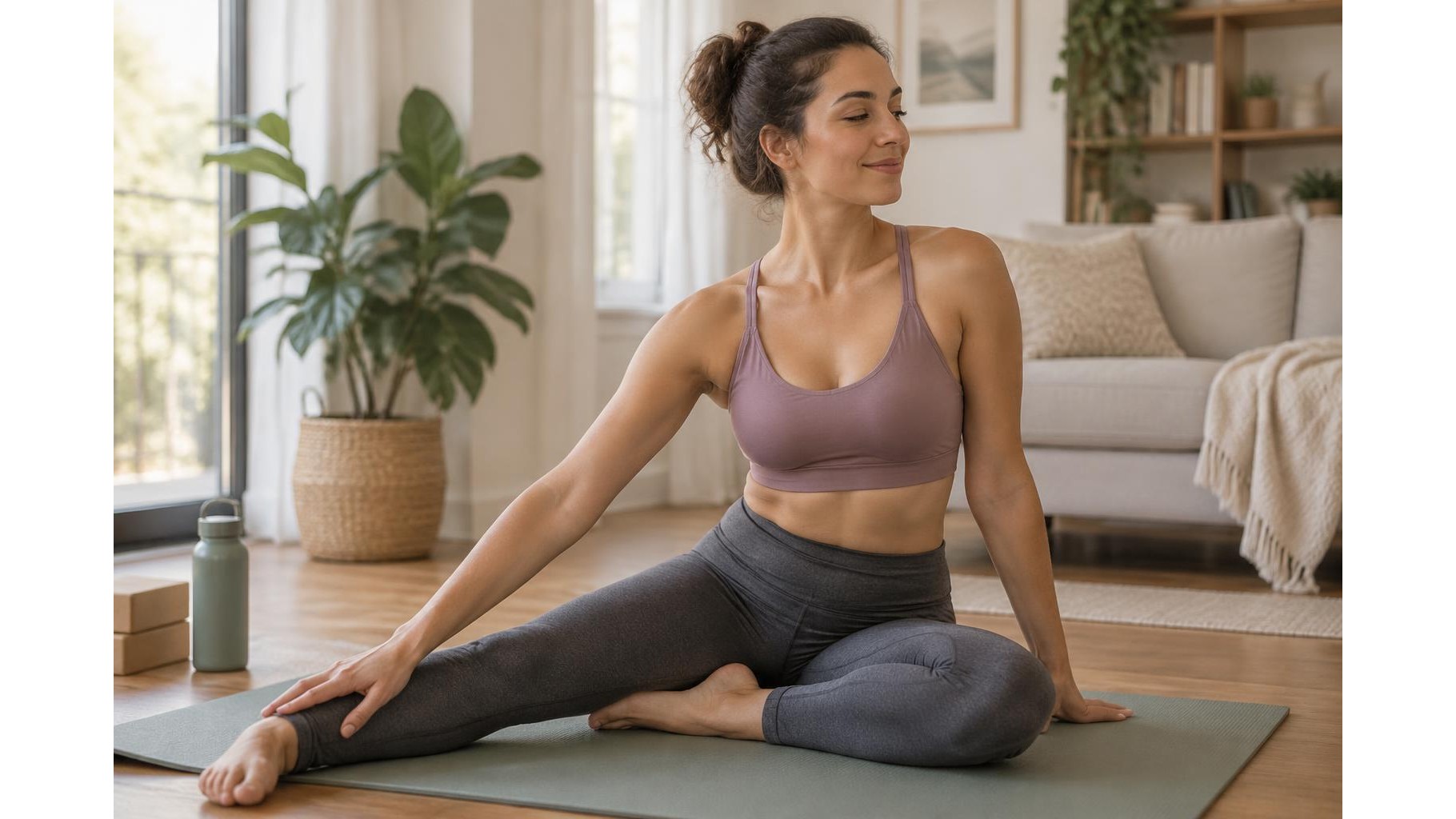
Yoga, Pilates, mobility work and controlled strength sessions may be low-impact, but your training bra still needs to feel secure and comfortable through every stretch, hold and repetition. The right choice balances support, fit, fabric and coverage without feeling restrictive. Use these practical checks to find a bra that suits your body and the way you move at home.
Match support to your workout
Low-impact exercise usually involves less bounce than running, but support still matters during flows, floor work and repeated lifting. Look for a bra described as light or medium support, then consider the movements in your routine: a gentle yoga session may call for flexible comfort, while strength training with dynamic transitions can benefit from a firmer band and more secure cups. Labels are useful starting points, not guarantees, so check how the bra feels when you move. A supportive style should hold comfortably without making breathing or reaching overhead difficult.
Get the fit right
The band provides much of a bra’s support. It should sit level around your ribcage and feel snug without digging in, riding up or restricting a full breath. If it shifts when you raise your arms, it may be too loose; if it pinches or leaves persistent discomfort, try a different size or cut. Cups should contain breast tissue without gaping, wrinkling or spilling at the edges. Check both sides, since bodies are not always perfectly symmetrical. When possible, consult the brand’s size chart and try more than one size rather than relying on your usual clothing size.
Choose fabric for comfort
For home training, soft, breathable and moisture-managing fabric can make a noticeable difference, particularly during longer sessions. Stretch helps the bra move with you, while a smooth lining and flat seams may reduce rubbing during floor-based exercises. Consider how much compression you prefer: a close fit can feel secure, but excessive tightness may become distracting as you bend, twist or breathe deeply. If you tend to feel warm, a lighter fabric or breathable panels may be more comfortable. Check the care label too, because fabric blends differ in how they should be washed and dried.
Consider straps and coverage
Strap design affects how a bra feels during movement. Wider straps can spread pressure across the shoulders, while adjustable straps help tailor the fit. Racerback or cross-back designs may stay in place during arm raises, but make sure the cut does not pull across your neck or limit shoulder mobility. Coverage is a personal choice: higher fronts and fuller cups can feel secure during inversions or bending, while a lower neckline may suit a less demanding routine. Test overhead reaches and forward folds to see whether the neckline and straps remain comfortably positioned.
Do a movement check and care for it
Before committing to a session, try a few practical checks: take a deep breath, reach overhead, twist, hinge forward and perform several controlled hops or squats. The bra should remain in place without chafing, slipping or making you want to adjust it. After workouts, follow the care instructions; washing in cool water with mild detergent and air-drying can help preserve elasticity. Avoid fabric softener if the label advises against it, and do not store a damp bra folded away. Replace it when the band loses its hold, the fabric stretches out or comfort changes.
In short, choose a training bra that suits the intensity of your home workouts, fits securely around the band and cups, and lets you move and breathe freely. Prioritise comfortable fabric, straps that stay put and coverage that feels right for your routine. A simple movement check and gentle care can help maintain comfort over time.