Why stride length matters
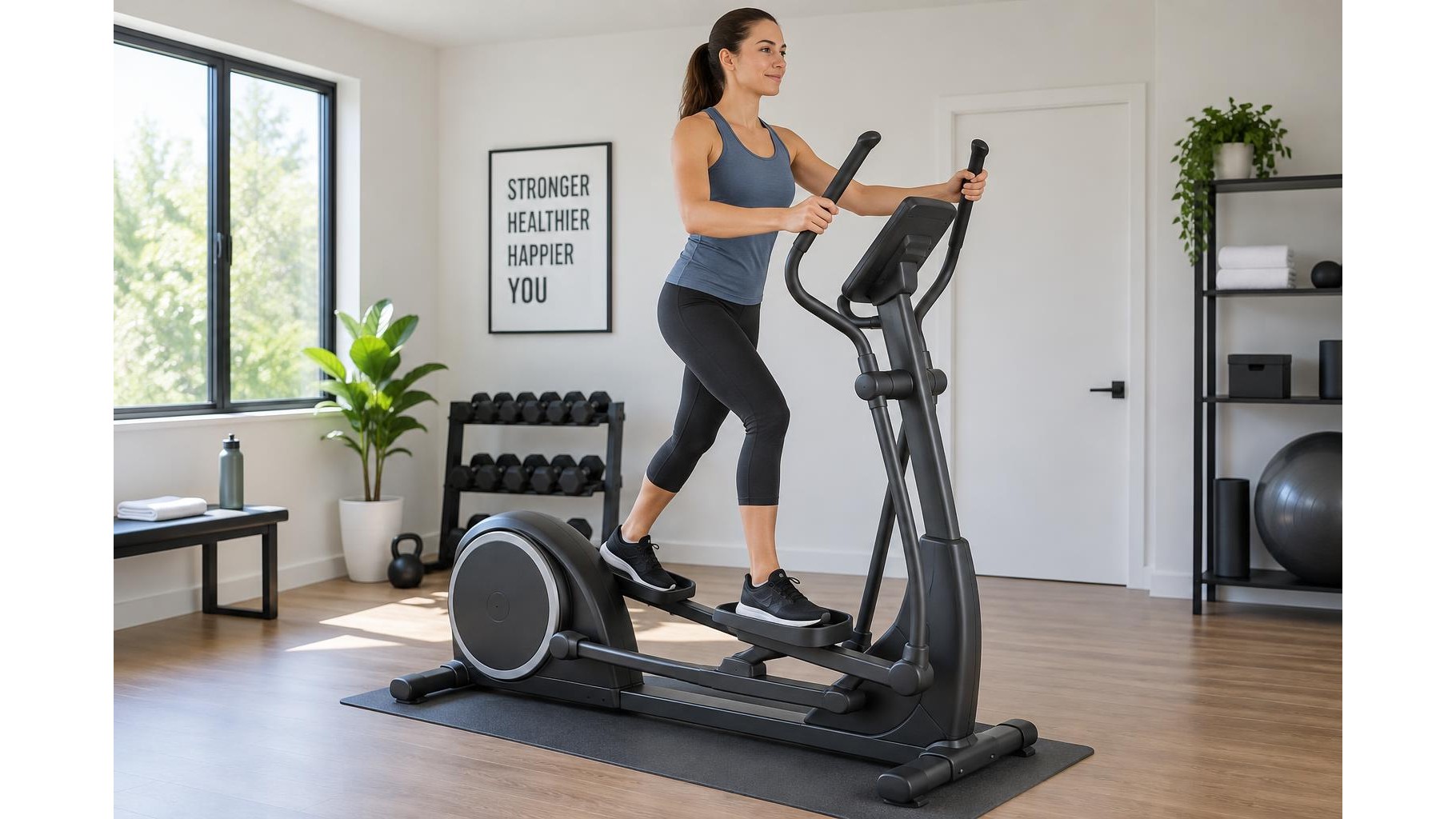
An elliptical should let you move smoothly, not make you reach, shuffle or feel boxed in. Its stride length is the front-to-back distance between the pedals as they travel through a cycle. That measurement influences how natural the motion feels, which muscles you can comfortably engage and how well the machine suits your height and preferred workout. There is no single ideal number for everyone: the right fit depends on your proportions, mobility and training goals. Knowing what to look for can help you compare home trainers with confidence and avoid relying on a specification alone.
Notice your natural step
Start by paying attention to how you walk and climb stairs. Do you naturally take long, open steps, or shorter, quicker ones? Height can offer a rough clue, but leg length and individual movement patterns matter too. If possible, try an elliptical before shopping: stand upright, hold the handles lightly and pedal at an easy pace. Your knees should bend comfortably without feeling cramped, while your feet remain supported on the pedals. A movement that feels forced at low resistance is unlikely to become comfortable simply by increasing workout intensity.
Compare specifications carefully
Manufacturers usually state stride length in centimetres or inches, but the number is only a starting point. A longer stride may suit taller users or people who enjoy a more extended, running-like motion; a shorter stride can feel more manageable for compact movement or limited space. These are tendencies, not rules. Also check whether the published measurement is fixed or adjustable, and look for clear dimensions in the product specifications. Compare machines using the same units, and do not assume that two trainers with similar figures will feel identical: pedal spacing, path shape and handle position all affect the experience.
Check comfort and alignment
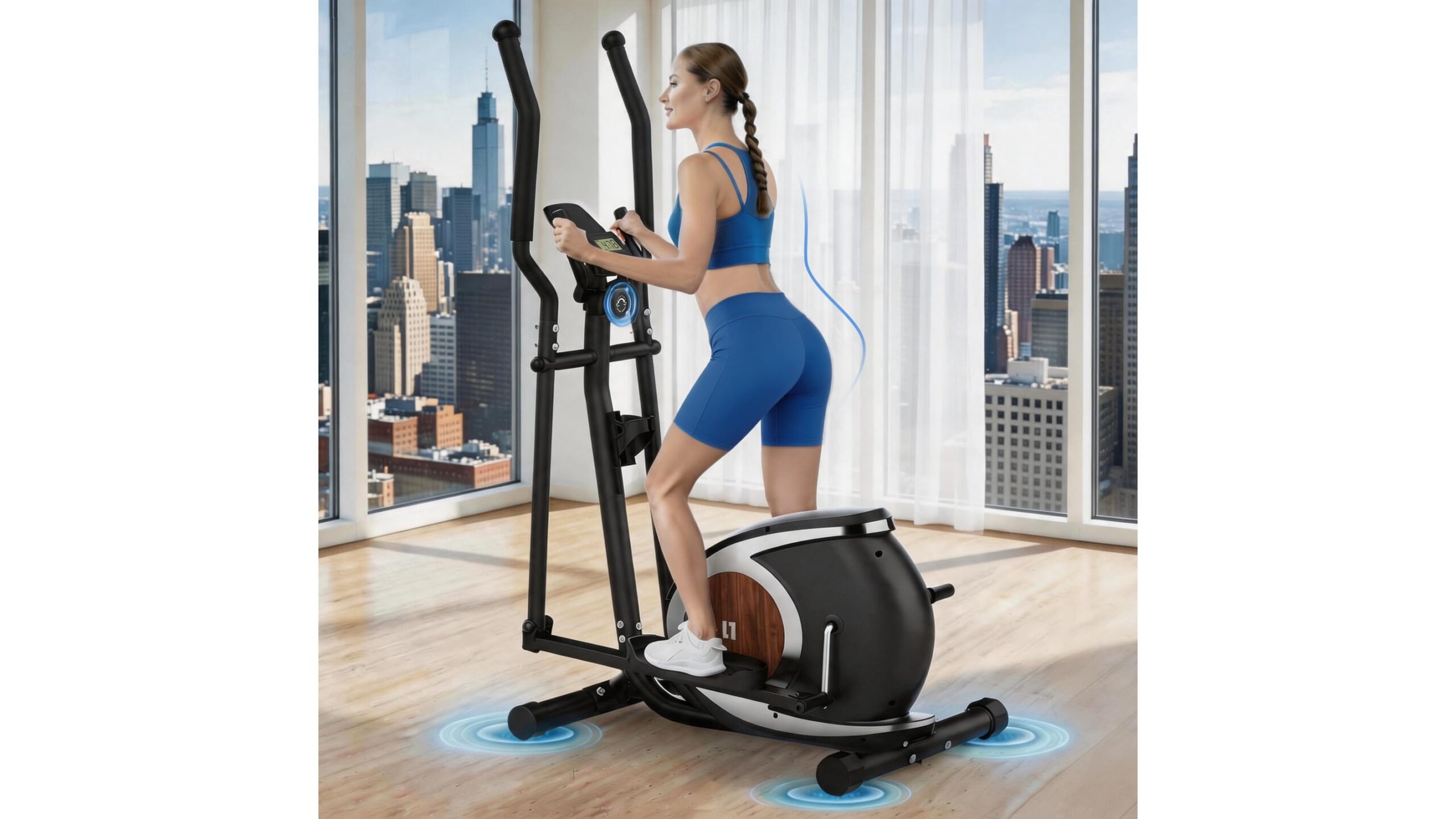
During a test, pay attention to your whole body rather than just your feet. Your hips should stay level, your torso should remain upright and your knees should track naturally rather than turning inward or outward. The pedals should not force your stance unusually wide, and you should not need to reach forward or rock your body to complete each revolution. Try both the moving handles and fixed grips, if available. If the motion feels jerky, overly restricted or difficult to control, test another model before deciding. Comfort matters because a suitable trainer is easier to use consistently.
Match stride to your training
Think about how you plan to exercise. Steady, low-impact cardio may feel good with a moderate, repeatable movement, while varied sessions can benefit from adjustable stride length or multiple resistance levels. A more extended action is not automatically a better workout; intensity also depends on resistance, cadence and duration. If several people will share the machine, an adjustable model may make it easier to accommodate different preferences. For a small home gym, balance fit with the trainer’s footprint, ceiling clearance and storage needs. Check the full machine dimensions, not just the stride specification.
Test before you buy
When trying a machine in person, spend several minutes at different speeds and resistance settings. Begin slowly, then increase pace only if your posture and pedal control remain comfortable. If you cannot visit a showroom, look for a clear return policy, warranty details and user guidance on fitting. Reviews can reveal recurring comfort concerns, but individual experiences vary, so use them alongside the manufacturer’s measurements. A useful comparison checklist includes stride length, pedal spacing, maximum user weight, machine dimensions, adjustability and warranty coverage. These details help you judge whether a trainer is practical as well as comfortable.
Choose a movement you will enjoy
The best elliptical stride is the one that allows you to move with a relaxed, repeatable rhythm. Use your natural step as a guide, compare specifications in context and test posture and comfort whenever possible. Treat stride length as one part of the decision, alongside adjustability, stability, space and your intended training. A well-matched home elliptical should feel supportive from the first easy session, giving you a low-impact option you can return to regularly.