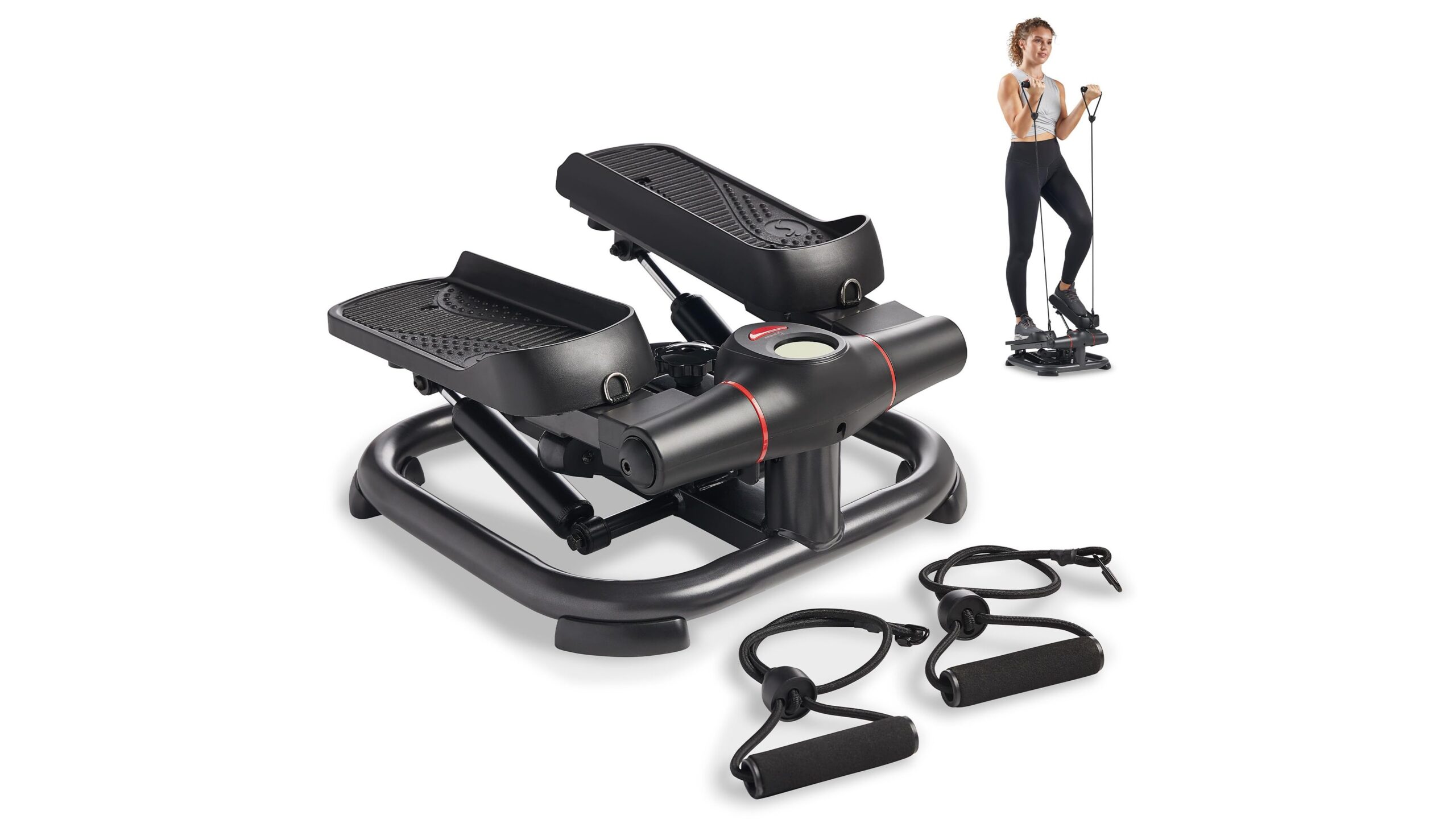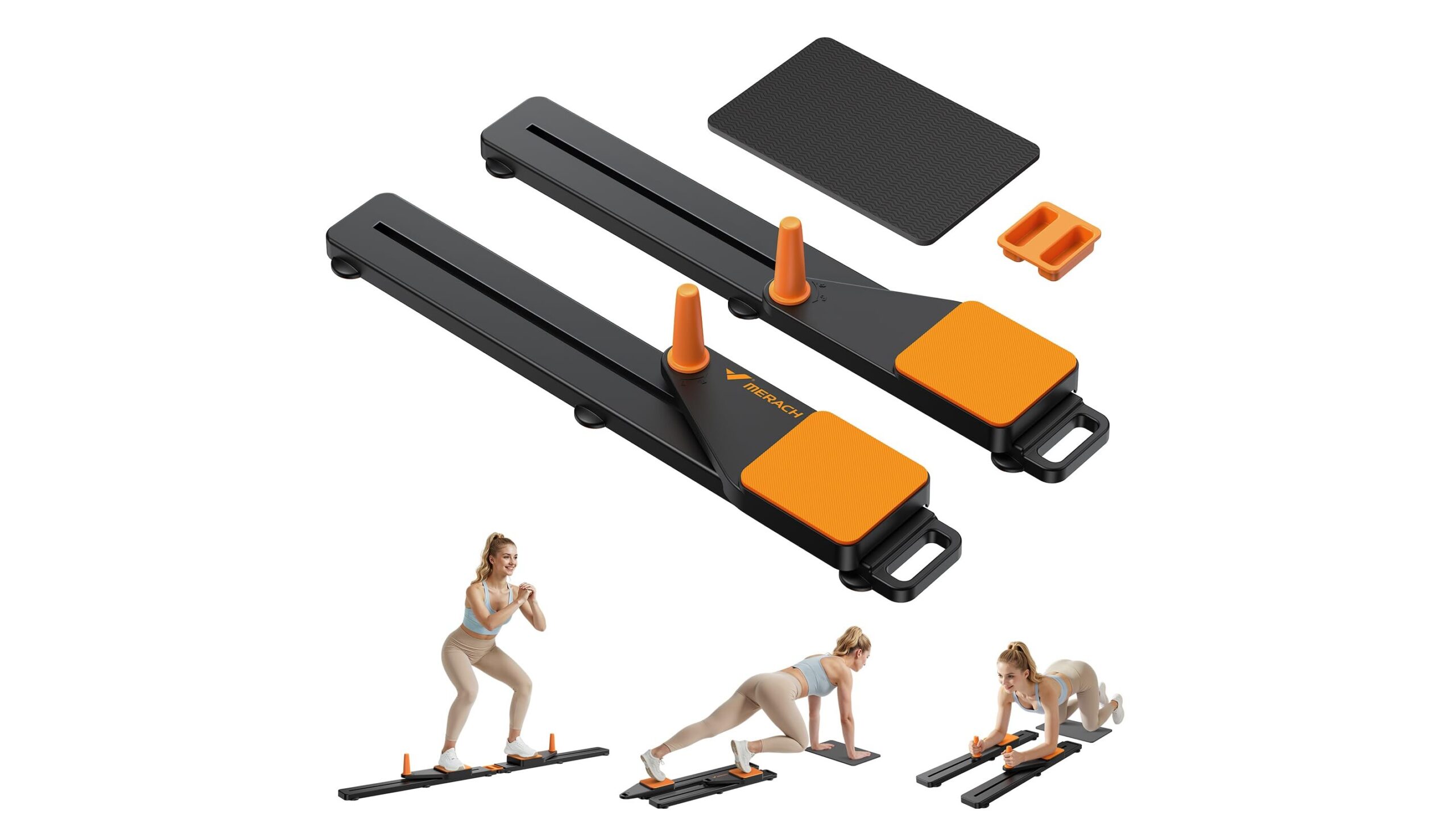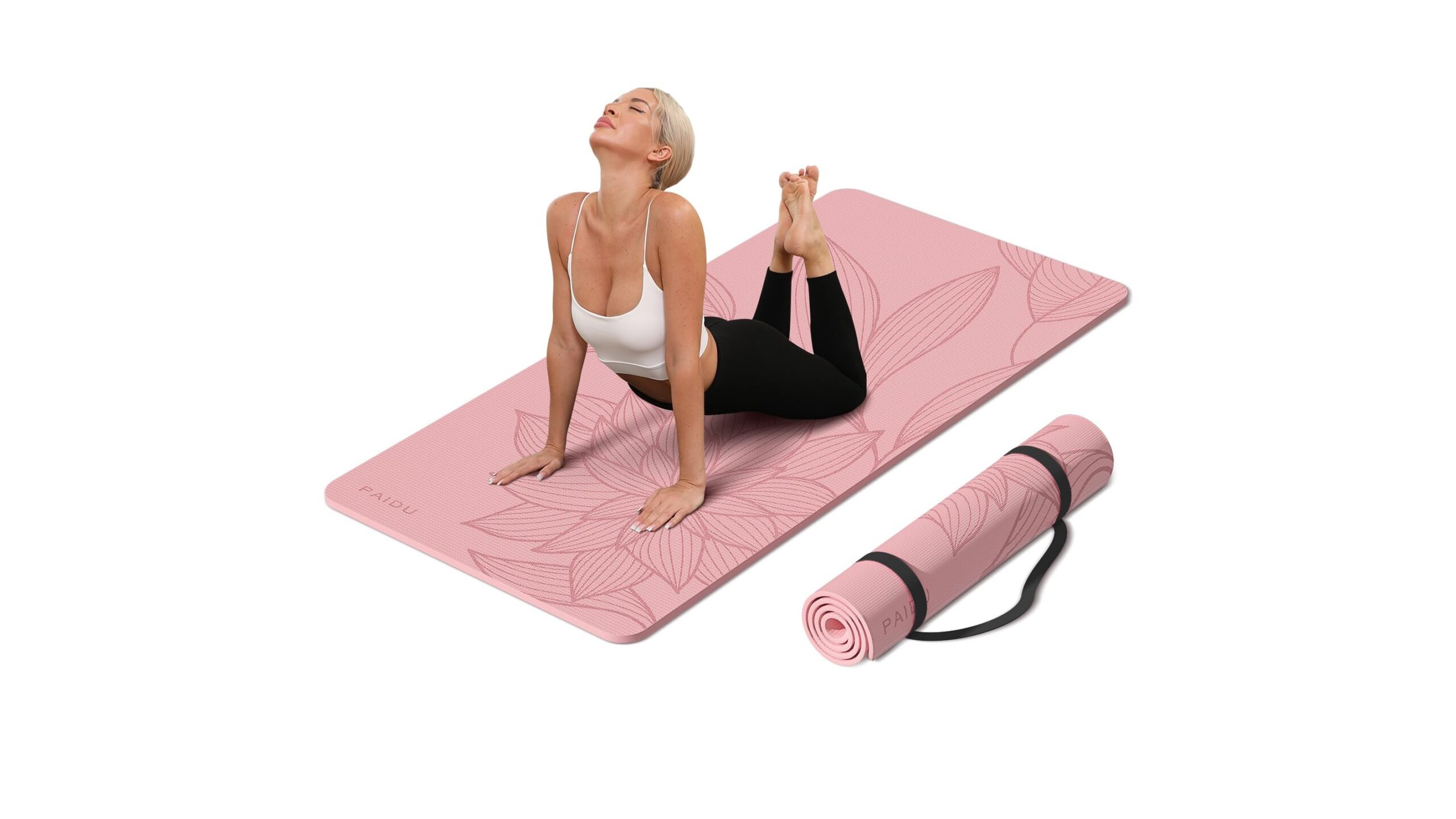
Long periods on your feet or a home workout can leave your lower back feeling stiff and tired. A brief reset of comfortable positions and slow, controlled movements may help you ease everyday tension. This is not a diagnosis or a treatment plan: keep every movement gentle, stay within a comfortable range, and stop if pain worsens or you develop new symptoms.
Start by finding a comfortable position
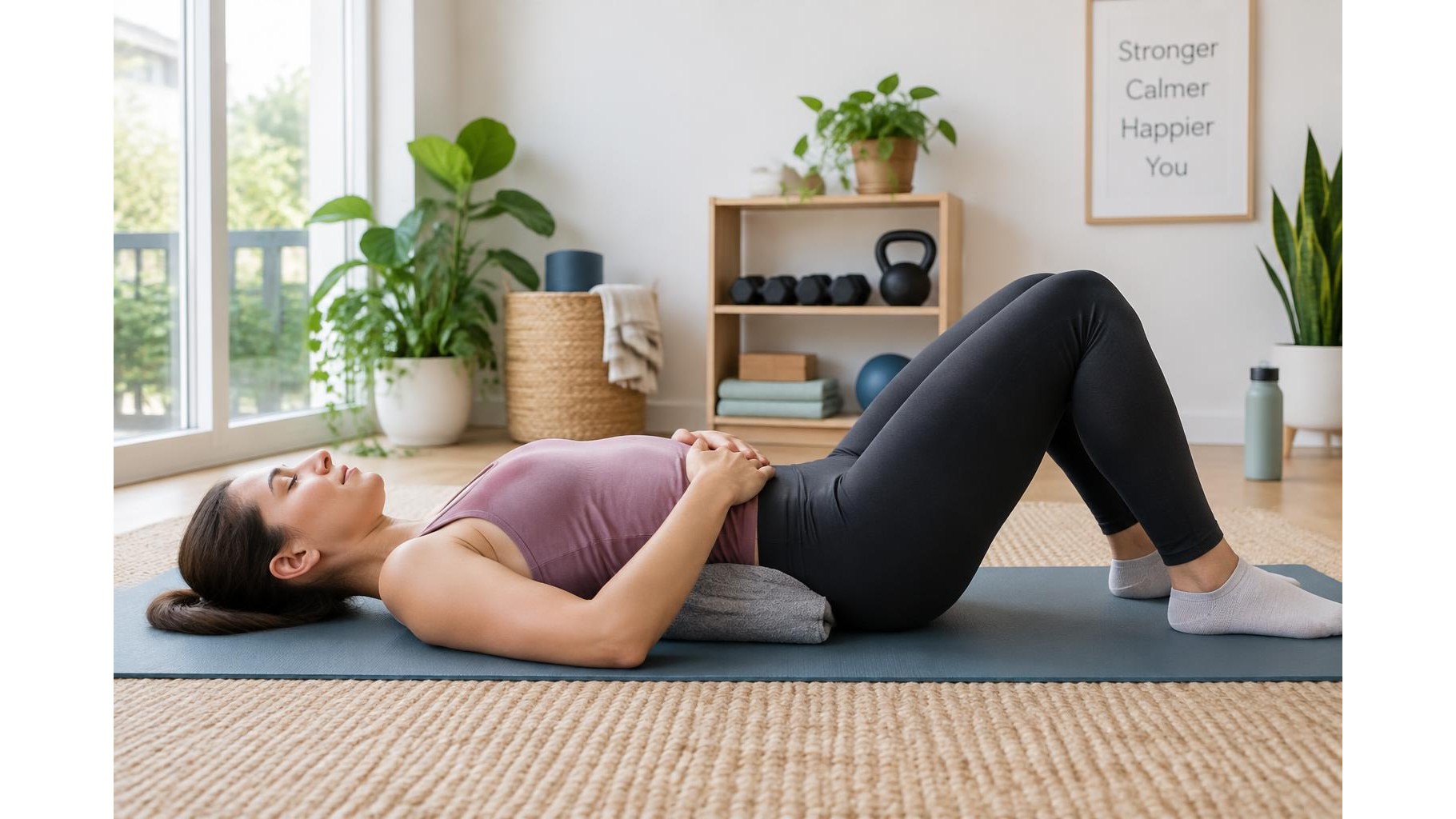
Give yourself a few quiet minutes in a clear, stable space. Lie on your back with your knees bent and feet resting on the floor, or sit comfortably if getting down is difficult. Let your shoulders soften and breathe normally; there is no need to force a deep stretch. Notice how your back feels before you begin, and aim for movements that feel easy rather than intense. If lying down increases discomfort, change position or skip the sequence.
Let the breath settle
In your chosen position, take several unhurried breaths. Allow your abdomen and ribs to move naturally without holding your breath or pushing your back into the floor. On each exhale, see if you can release unnecessary tension in your jaw, shoulders and hips. This simple pause can help you approach movement calmly. Keep breathing throughout the sequence, and make the range smaller whenever a position feels uncomfortable.
Try a small pelvic movement
With knees bent and feet grounded, gently rock your pelvis so your lower back moves a little closer to and then away from the floor. Keep the motion small and smooth, without lifting your hips or bracing hard. Repeat a few times at a relaxed pace, stopping well before fatigue. The goal is to explore comfortable movement, not to flatten your back or achieve a particular stretch. If the movement brings on sharp, spreading or worsening pain, stop.
Move gently through a supported rest
If it feels comfortable, bring one knee at a time a little closer toward your body, using your hands behind the thigh for support if needed. Hold only briefly, breathe easily, then return the foot to the floor and switch sides. Do not pull forcefully or try to press your lower back into a stretch. You can also remain with both feet down and simply rest. Choose the option that feels most settled, and leave out any movement that aggravates symptoms.
Finish with easy standing or walking
Roll onto your side and use your arms to help you rise, rather than sitting straight up quickly. Pause before standing. If you feel steady, take a short, relaxed walk around the room and let your arms move naturally. Avoid immediately repeating demanding exercises or deep stretches. After standing or training, a gradual change of position may feel more manageable than trying to correct posture or force flexibility. Keep the reset short, and return to ordinary activity only as comfortable.
A gentle reset should feel calm and optional, not like a test. Use comfortable positions, slow movements and easy breathing, and stop if symptoms worsen. Seek medical advice if back discomfort is severe, persistent, follows an injury, or concerns you. Get urgent help for new weakness, numbness around the groin, or changes in bladder or bowel control. When in doubt, ask a qualified health professional what is appropriate for you.