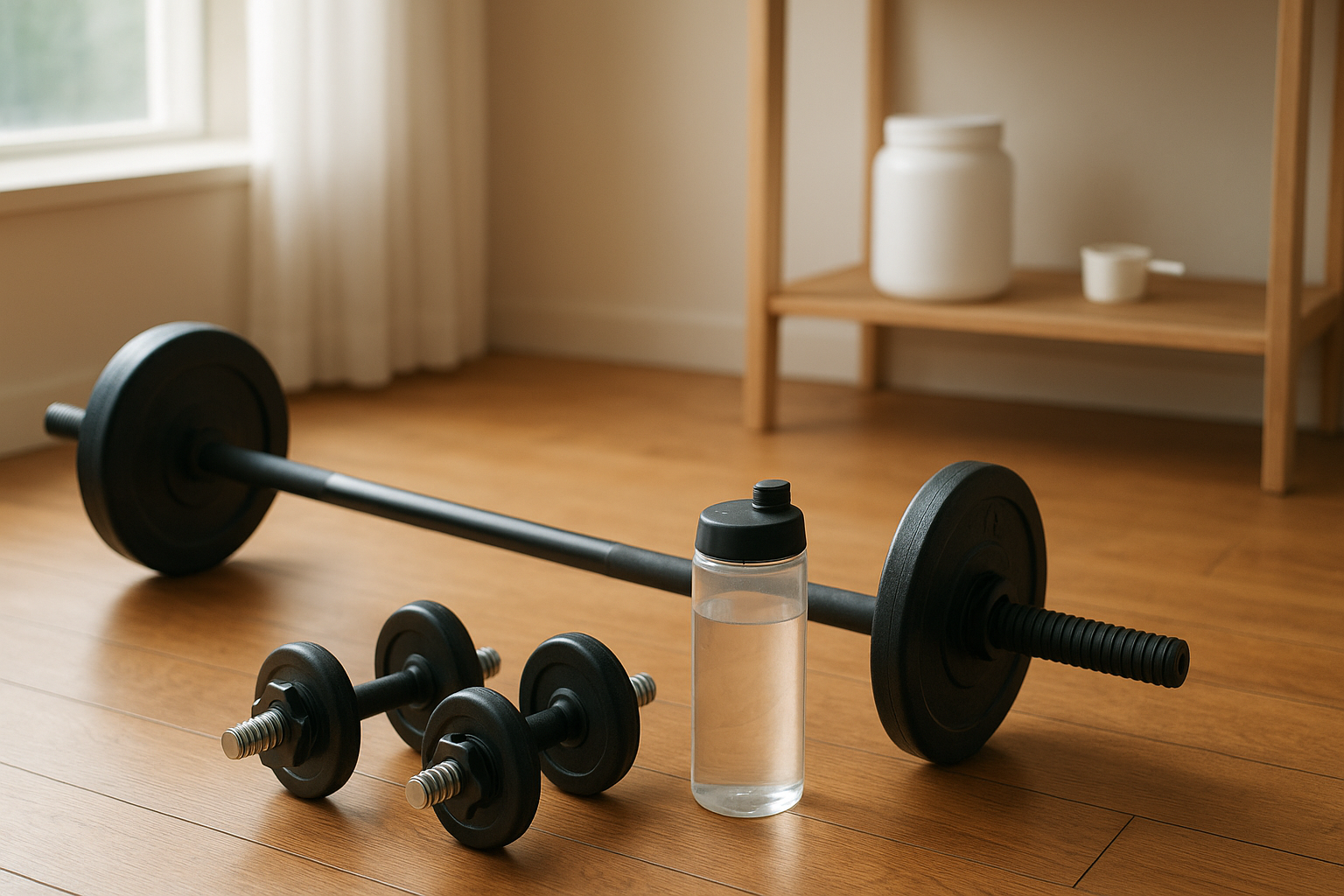
For home athletes who lift in the garage, lounge or spare room, creatine is one of the simplest, most studied supplements to boost strength and performance. Used correctly, it can support muscle growth, high‑intensity work and recovery with very few side effects. This guide explains how to use creatine safely when most of your training is indoors, with practical, evidence‑based tips you can apply straight away.
What creatine does for home‑based training
Creatine monohydrate increases the amount of phosphocreatine stored in your muscles, helping you regenerate ATP — the rapid energy source for short, intense efforts. For the home athlete, that means more quality reps on your compound lifts, better performance in HIIT circuits, and less drop‑off set to set. Research consistently shows benefits for strength, power, small increases in lean mass, and even potential cognitive benefits. Because it works through saturation rather than an acute “boost”, creatine fits perfectly with regular, year‑round home training.
How to dose creatine safely at home
The most researched and cost‑effective form is plain creatine monohydrate powder. A simple, safe protocol is 3–5 g per day, every day, with or without a loading phase. If you choose to load, take 20 g per day split into 4 doses of 5 g for 5–7 days, then move to the 3–5 g maintenance dose. Most people tolerate daily low doses very well. Take it consistently rather than cycling on and off; benefits are tied to keeping your muscles saturated. To avoid stomach discomfort, mix thoroughly in water and take it with food, especially if you are training intensely in a small, warm indoor space.
Timing, hydration and indoor training conditions
Unlike caffeine, creatine timing is not critical, but many home athletes prefer taking it post‑workout with a meal to help habit formation and digestion. Training indoors can mean less airflow and higher temperatures, so hydration matters. Creatine draws some water into the muscle, which is normal and part of how it works, but you should increase your fluid intake by roughly 300–500 ml per day. Sip water throughout your session, especially during high‑rep sets, kettlebell circuits or rowing intervals. Balanced electrolytes from food (or a light electrolyte drink) further support fluid balance without any need for extreme “water loading”.
Who should speak to a doctor before taking creatine
Although creatine is considered very safe for healthy adults, some home athletes should check with a healthcare professional first. If you have any history of kidney disease, are taking medications that affect kidney function or blood pressure, or have chronic conditions such as diabetes or significant cardiovascular disease, get medical advice before starting. Teenagers should involve a parent and doctor in the decision. During pregnancy or breastfeeding, avoid creatine unless specifically advised by a clinician, as safety data are limited. A brief consultation ensures creatine fits your personal context rather than relying on generic advice.
Choosing a good creatine product for your home gym routine
When buying creatine for home use, prioritise purity and simplicity. Look for a product that lists only creatine monohydrate on the label, with no added stimulants or proprietary blends, and that has been tested for quality by an independent lab where possible. A plain, unflavoured powder lets you mix it into water, juice or a post‑workout shake without affecting taste much. Opt for a resealable pouch or tub you can easily store on a shelf near your home gym setup, away from moisture and direct heat. You do not need fancy forms like “buffered” or “ethyl ester” creatine; studies consistently support standard monohydrate as the gold‑standard, budget‑friendly choice.
Putting creatine into a sustainable home training plan
Creatine is a supporting tool, not a substitute for smart programming, sleep and nutrition. To get the most from it, follow a structured home routine that combines progressive overload strength work (such as dumbbell or barbell lifts, resistance bands and body‑weight progressions) with some cardio intervals for conditioning. Pair your daily 3–5 g creatine dose with adequate protein intake and a mostly whole‑food diet. Track your performance — extra reps, more weight, better sprint intervals — over 4–6 weeks rather than expecting overnight changes. Used this way, creatine becomes a safe, evidence‑based ally for long‑term progress in your indoor training environment.
In summary, creatine monohydrate offers home athletes a well‑researched, low‑risk way to support strength, power and muscle gain when most training happens indoors. Sticking to a modest daily dose, paying attention to hydration, and seeking medical advice if you have underlying conditions will help you use it safely. Combined with consistent workouts and good recovery habits, creatine can be a small daily habit that delivers outsized benefits in your home gym over the long term.