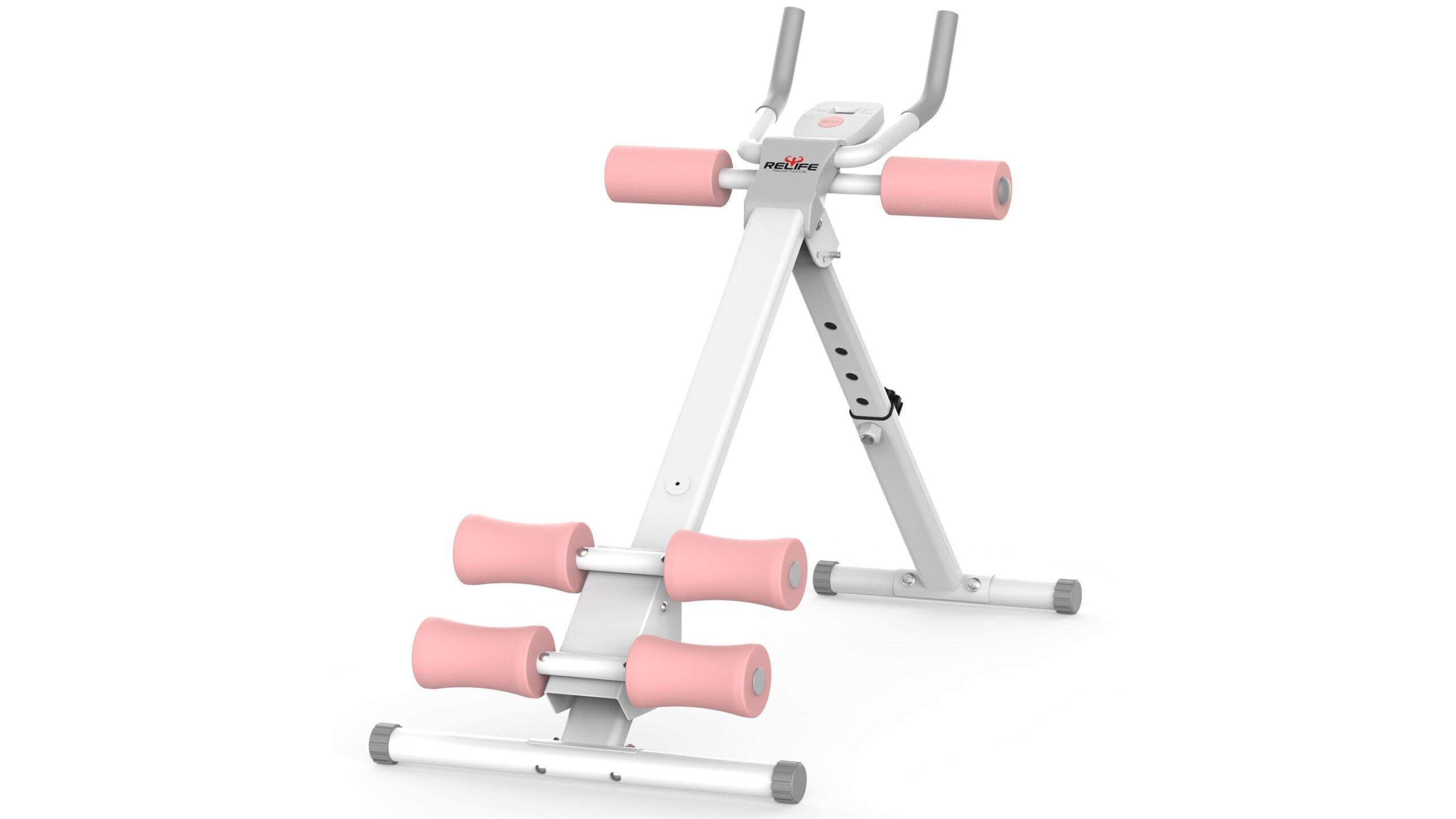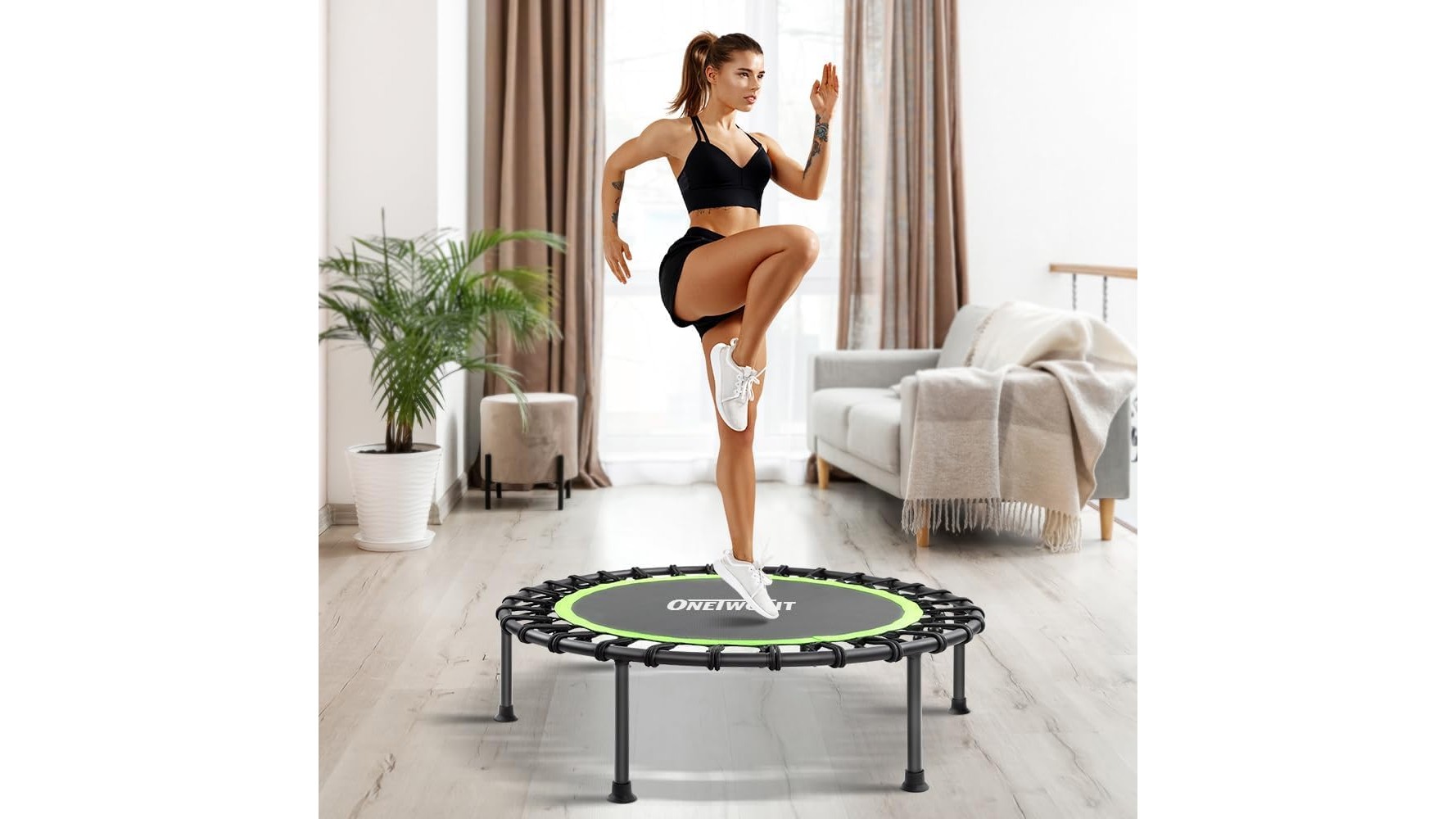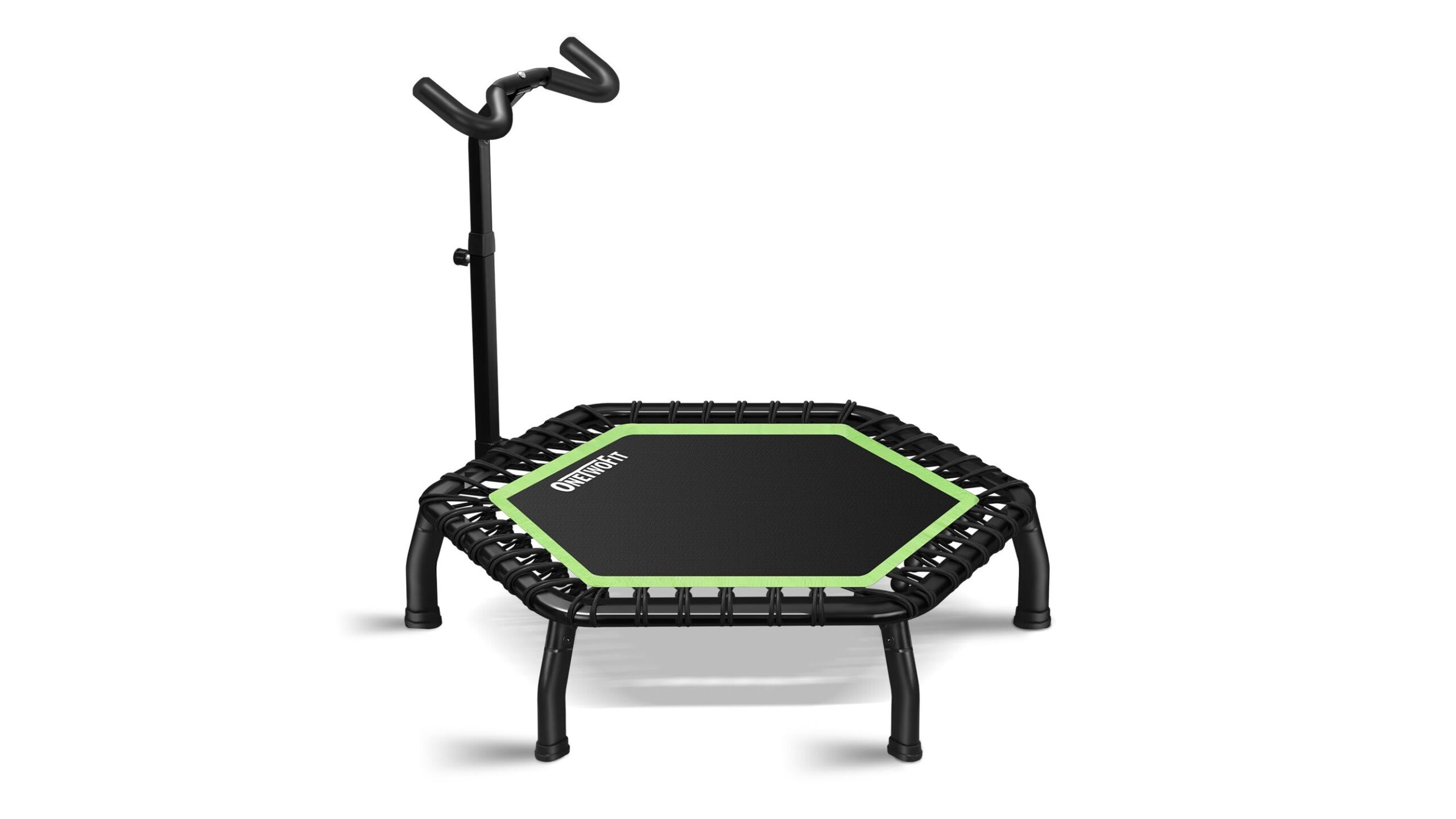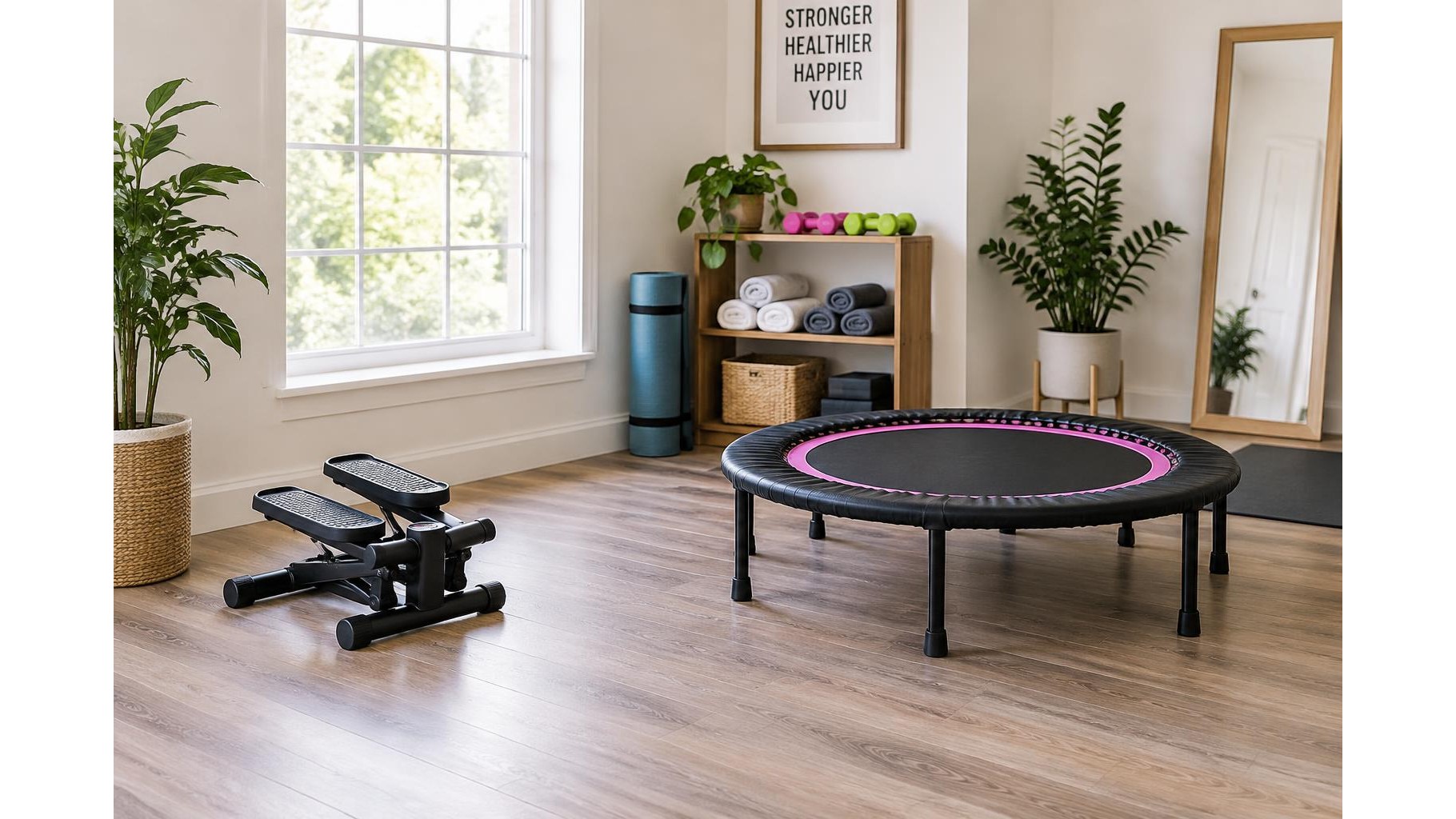
Choosing between a compact stepper and a mini trampoline comes down to more than floor space. Both can support convenient low-impact cardio at home, but they create different movement patterns, feel different underfoot and suit different household routines. Consider how you like to move, how much attention you can give your balance, and when you plan to exercise.
Two different ways to get moving
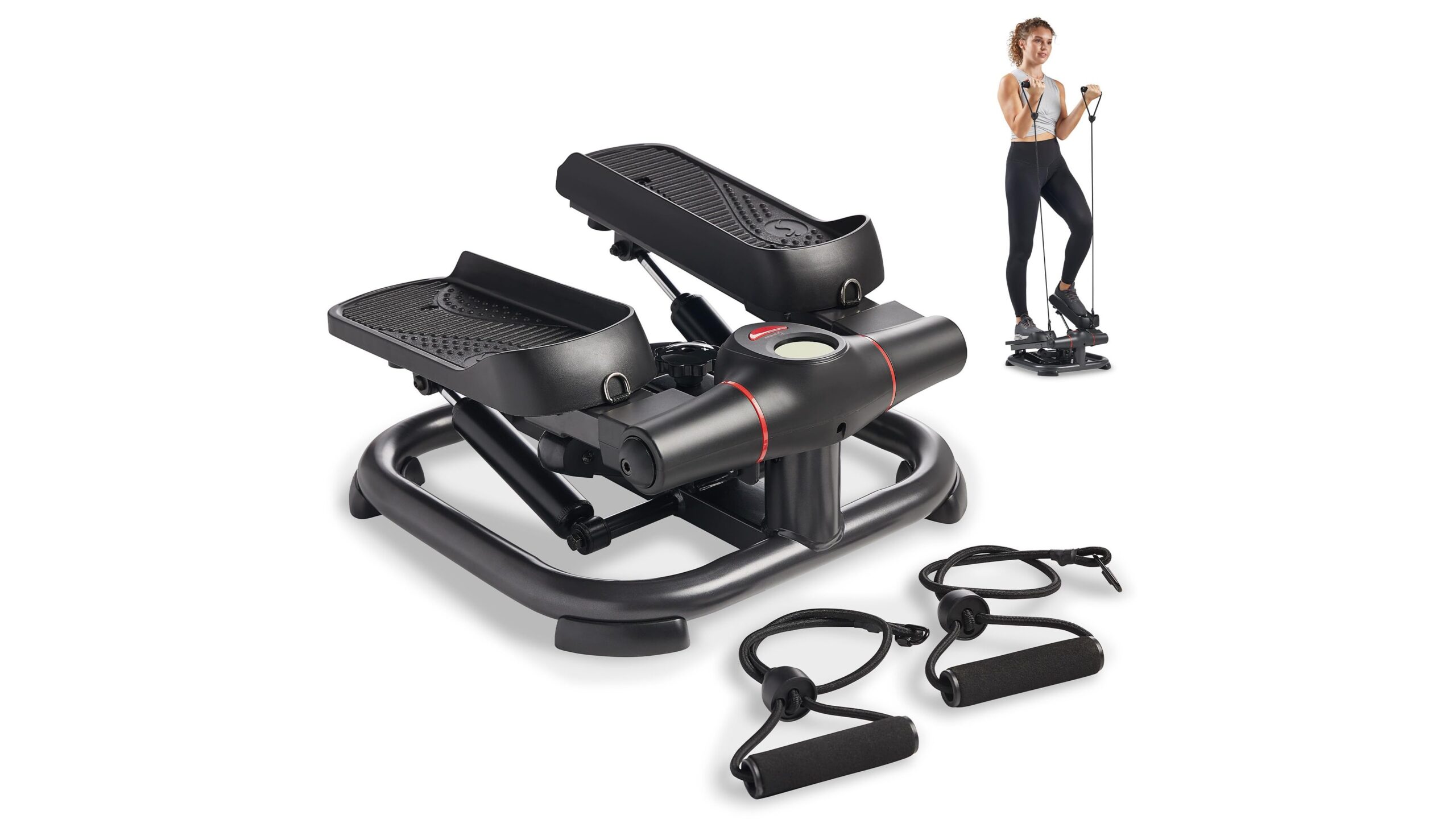
A compact stepper uses repeated up-and-down pedal strokes, making it a straightforward choice for steady, controlled exercise. You can keep the pace gentle or increase cadence for a more demanding session, while holding a stable posture and staying in one small spot. A mini trampoline, often called a rebounder, uses a springy surface to absorb and return some of your movement. You can march, bounce lightly or add simple choreography. Neither option guarantees a particular fitness outcome: effort, consistency and individual ability all matter.
Space, storage and setup
Both options are designed for small spaces, but their footprints differ. A stepper generally occupies a compact patch of floor and may be easier to tuck beside a desk or into a cupboard, depending on its design. A trampoline needs enough room for the frame and for safe movement around it; you also need suitable overhead clearance and a level, unobstructed floor. Check the equipment’s dimensions and storage requirements before buying. For either choice, allow space to step on and off safely rather than squeezing it against furniture.
Noise and household timing
Noise depends on construction, maintenance and the surface beneath the equipment. Steppers may produce pedal, hinge or hydraulic sounds; a loose component or hard floor can make these more noticeable. Rebounders can create spring or frame noise, and repeated bouncing may transmit vibration through the floor. If you share walls or exercise while others are sleeping, look for clear manufacturer guidance, keep the unit on a suitable mat if permitted, and test it at a considerate time. Avoid assuming either option is silent.
Balance, impact and comfort
A stepper’s fixed pedals provide a more predictable platform, although stepping still calls for coordination and secure footing. Some models include a handlebar, but a support rail is not a substitute for good balance or careful use. A trampoline’s elastic surface moves beneath you, so even gentle bouncing asks more of your stabilising muscles and spatial awareness. Start with controlled marching rather than high jumps, and use a model with a support bar if appropriate. If you have joint, balance or medical concerns, seek professional advice before starting.
Workout variety and routine fit
Choose a stepper if you value simple, repeatable sessions that are easy to fit between other tasks. It can pair with a timer or upper-body movements, provided your posture remains steady and the equipment instructions allow it. A rebounder may appeal if you enjoy changing pace, practising rhythm or following guided routines. Keep movements controlled and avoid tricks or vigorous bouncing unless your equipment and ability support them. Whichever you pick, begin at a manageable intensity and build gradually.
In short, a compact stepper suits people who want a stable, uncomplicated stepping pattern, while a mini trampoline offers a springier, more varied experience with greater balance demands. Compare dimensions, noise, support features and your preferred style of movement, then choose the option you are most likely to use consistently. A clear floor, safe setup and realistic routine matter as much as the equipment itself.