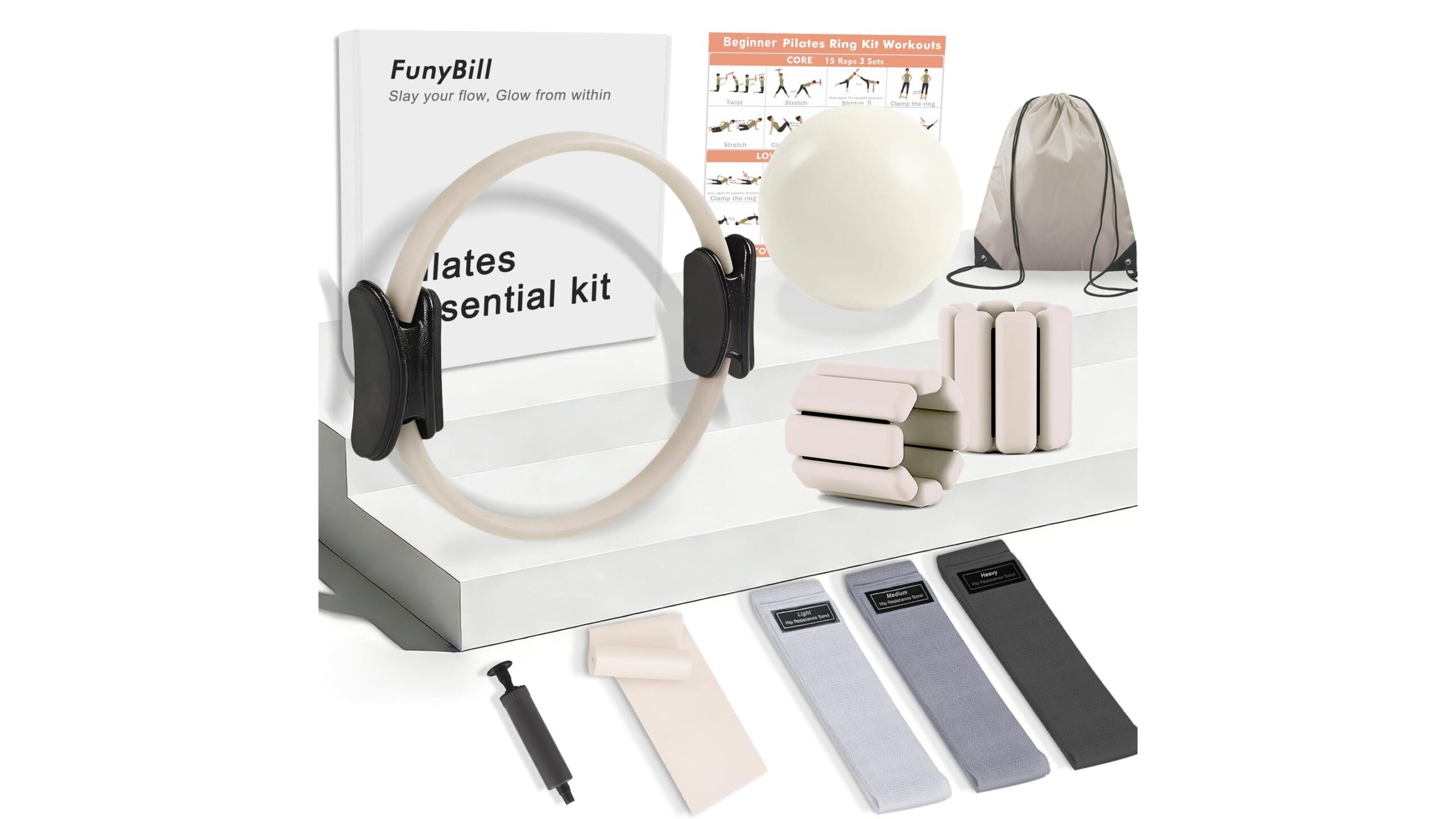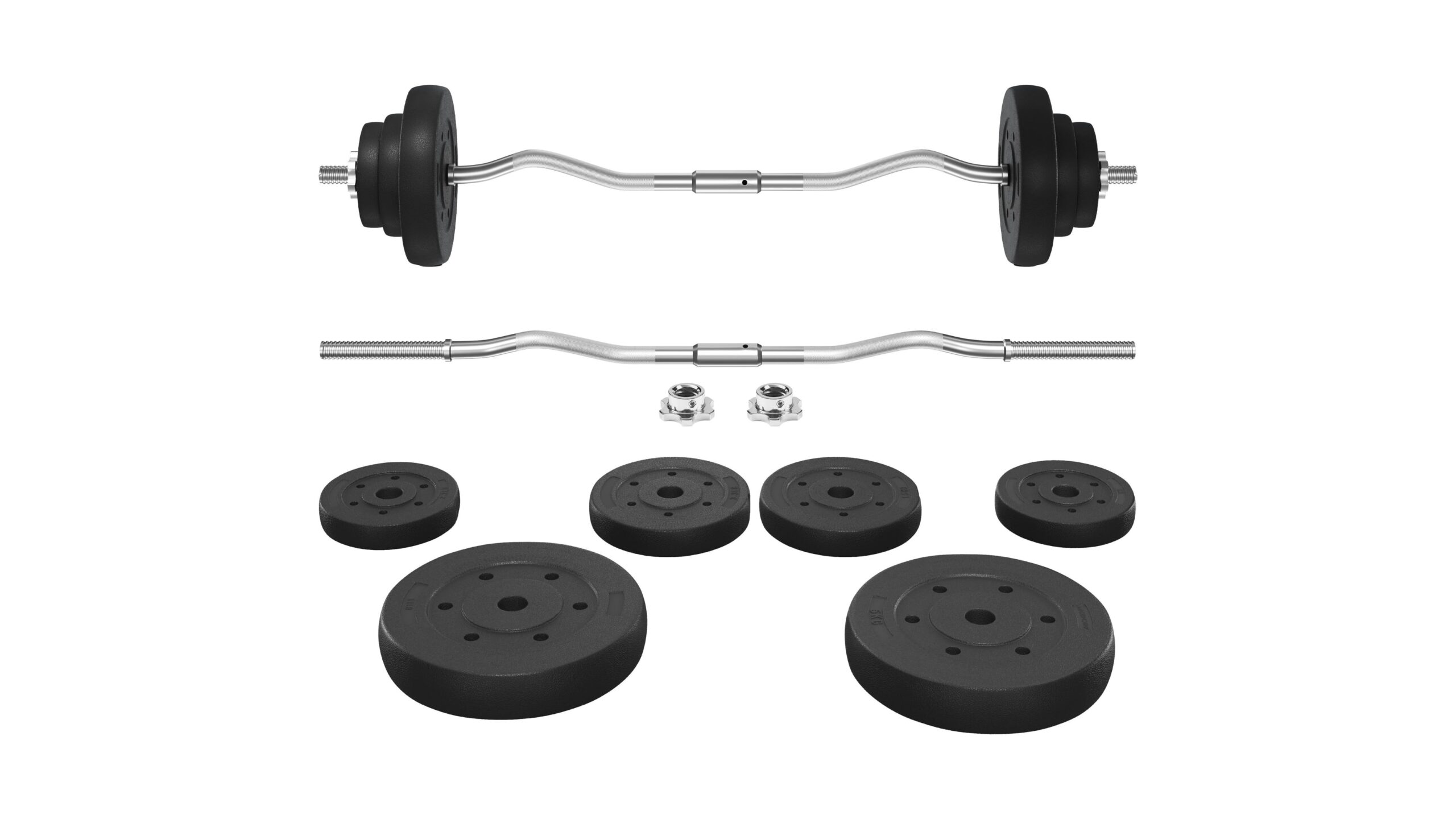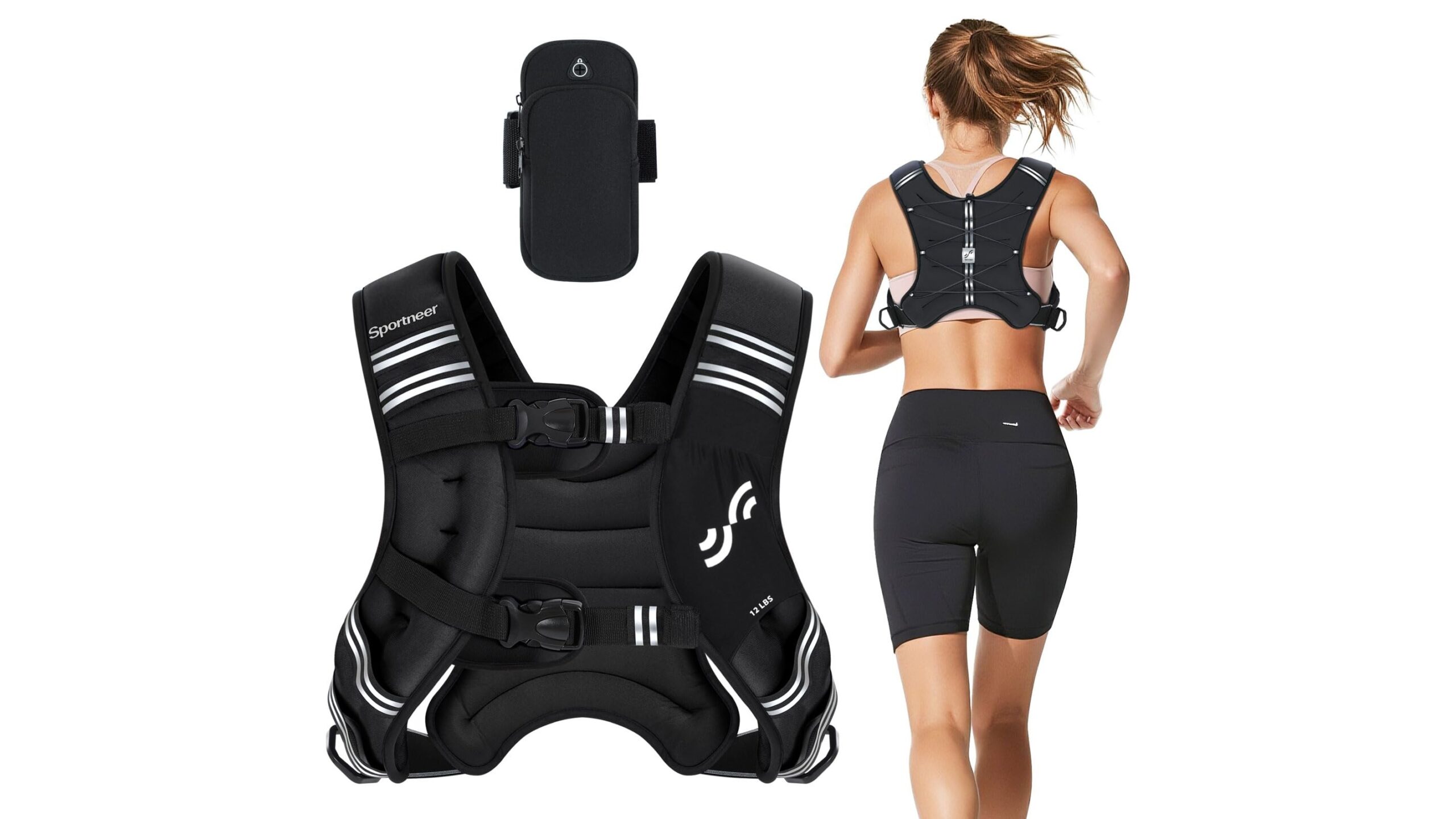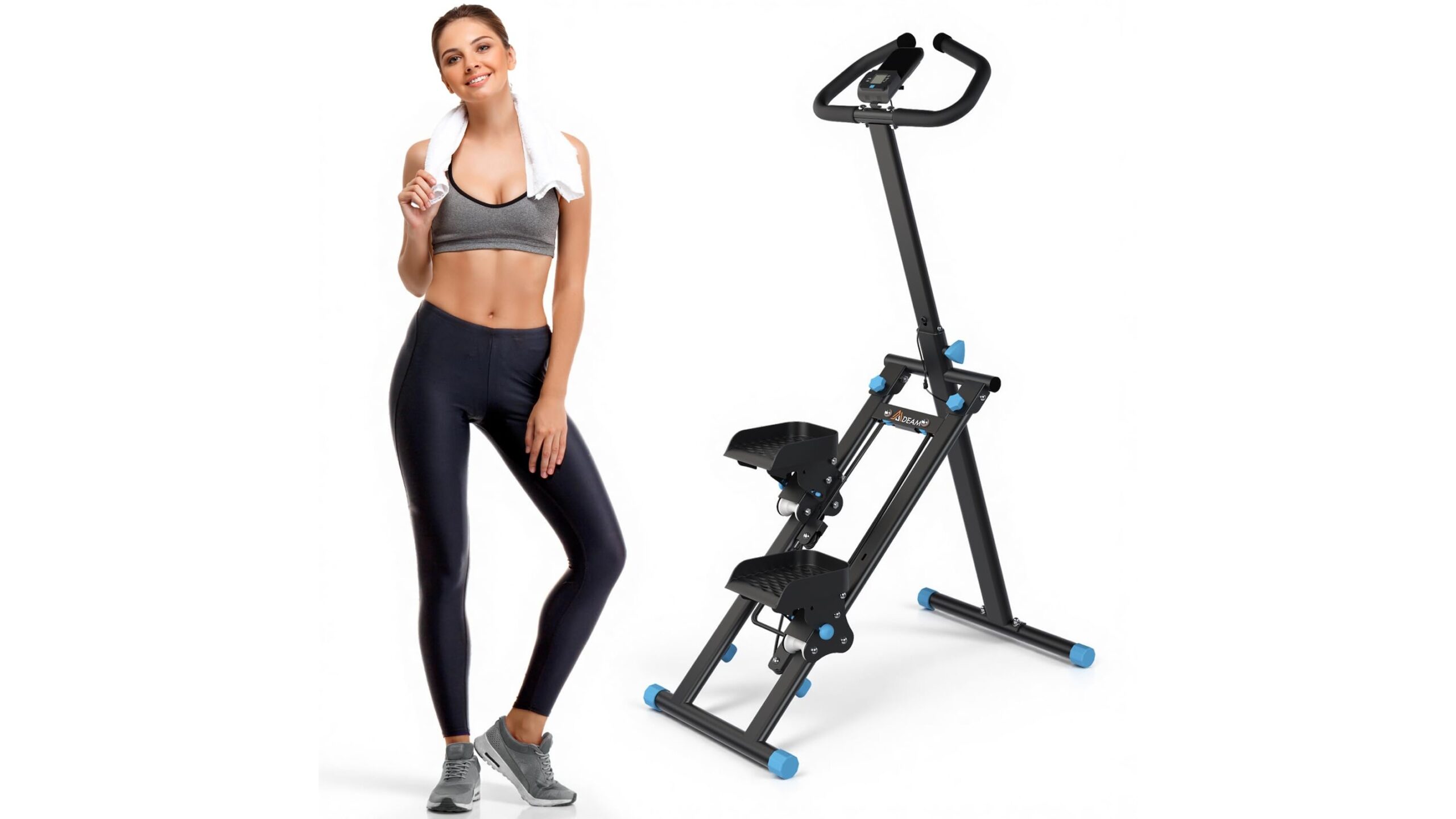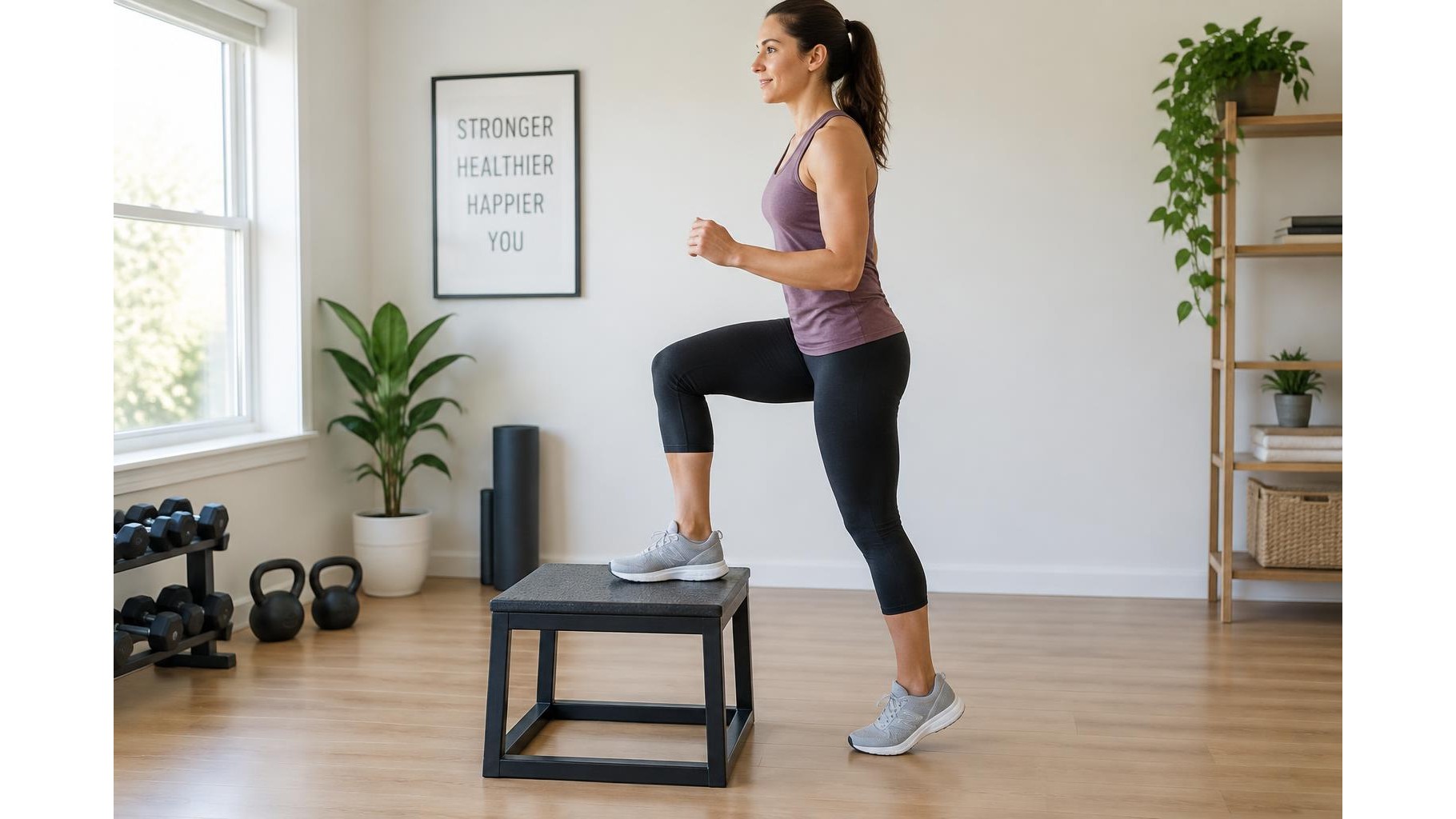
A step platform can bring variety and structure to a home workout without relying on jumps or fast, high-impact moves. This 30-minute session combines steady step-ups, simple bodyweight strength exercises and recovery intervals. Choose a pace that lets you stay in control, and use the beginner or intermediate options to match your fitness level. You will need a stable platform, enough clear floor space and supportive shoes.
Set up safely and choose your pace
Before you begin, place the platform on a firm, level, non-slip surface and check that all feet or risers are securely fitted. Press down on each corner and gently test the platform from the front and sides; it should not rock, slide or creak. Leave space around it, move nearby furniture and keep water within reach. Start with the lowest height, especially if you are new to step training. During the workout, step up with your whole foot and step down softly, keeping your knees aligned with your toes. Aim for a pace at which you can speak in short sentences.
Warm up for five minutes
Begin with an easy march on the floor for one minute, letting your arms swing naturally. Add shoulder rolls, gentle side steps and alternating heel digs for another two minutes. For the final two minutes, practise slow step-ups: place one foot on the platform, bring the other foot up, then step back down one foot at a time. Alternate the leading leg every few repetitions. Keep the movement smooth rather than trying to climb quickly. If stepping feels uncomfortable, stay on the floor and march or perform alternating toe taps against the platform.
Build low-impact cardio with controlled steps
Spend eight minutes alternating 45 seconds of work with 15 seconds of easy recovery. During each work interval, perform basic step-ups at a steady rhythm, changing your leading leg halfway through. Keep your torso upright and place each foot fully on the platform. Beginners can reduce the pace, use a low platform or replace step-ups with floor marches. Intermediate exercisers can add purposeful arm swings or slightly increase their cadence, but should avoid bouncing. Use each recovery interval to march slowly or stand and breathe. If balance becomes uncertain, stop and reset before continuing.
Add simple bodyweight strength
For the next eight minutes, complete two controlled rounds of four exercises. Work for 40 seconds, then rest or transition for 20 seconds: chair-height squats, incline push-ups with hands on the platform, glute bridges on the floor and alternating reverse lunges. For squats, sit your hips back and keep your heels grounded. On incline push-ups, brace your middle and lower your chest only as far as feels comfortable. Beginners can shorten the range of motion or use a wall for push-ups; intermediate exercisers can make the lowering phase slower. Choose reverse lunges only if they feel stable, or substitute standing hip extensions.
Finish with a cardio-strength combination
Use five minutes for a gentle circuit: 30 seconds of step-ups, 30 seconds of bodyweight squats, then 30 seconds of easy marching. Repeat the sequence three times, keeping the transitions unhurried. Make the step-ups lower or slower if your breathing becomes too laboured. To finish, spend four minutes cooling down with an easy walk around your space, followed by calf, thigh and chest stretches. Hold each stretch gently without bouncing. Slow your breathing and allow your heart rate to settle before you put equipment away.
This session offers a practical blend of low-impact cardio and basic strength work in about 30 minutes, with options to scale the challenge up or down. Prioritise a stable setup, quiet foot placement and a pace you can maintain over speed or height. Stop if you feel sharp pain, dizziness or unusual shortness of breath, and adjust the workout to your needs. Consistent, controlled sessions can make a step platform a useful part of a balanced home fitness routine.