After a workout, a snack can help bridge the gap to your next meal and make it easier to meet your daily nutrition needs. Pairing protein with fiber-rich foods is one practical way to create a more satisfying option: protein supplies amino acids used in muscle repair, while fiber adds texture and can support fullness and digestive health. There is no single perfect combination or strict post-exercise deadline. Choose foods that suit your appetite, training, schedule and digestion.
Why pair protein with fiber?
Protein is important for maintaining and building muscle, particularly when it is spread across meals and snacks through the day. Fiber, found in foods such as fruit, oats, beans, nuts and seeds, contributes to a balanced diet and may help a snack feel more substantial. Together, they offer a useful mix of nutrients rather than relying on a single ingredient. Keep in mind that fiber is not a recovery nutrient in the same direct way as protein; it is part of overall dietary quality. If a high-fiber snack feels uncomfortable immediately after exercise, choose a smaller serving or eat it later.
Build a simple snack from familiar foods
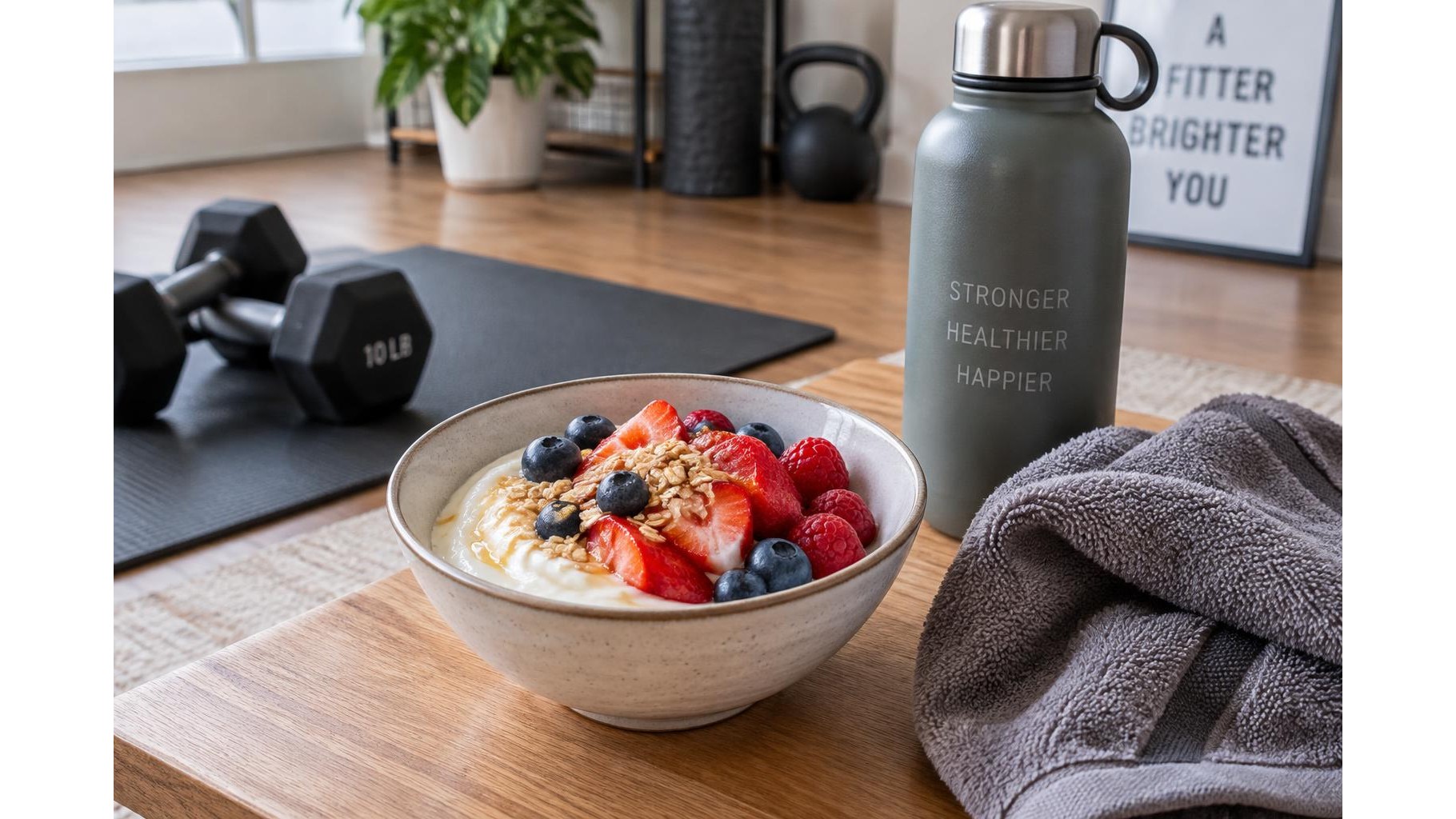
Start with a protein-containing base, then add a fruit, whole grain, vegetable, nut or seed for fiber. For example, combine Greek yogurt with berries and a spoonful of oats; serve cottage cheese with pear and wholegrain crackers; or spread hummus on wholegrain toast and add sliced vegetables. For a plant-based option, try soy yogurt with berries and chia, or edamame with a piece of fruit. These are flexible ideas, not prescriptions: use foods you enjoy and can keep on hand.
Use practical portions, not complicated rules
A snack-sized portion might be a single pot of yogurt with a small handful of berries and a tablespoon of oats, or one slice of wholegrain toast topped with hummus and vegetables. For a larger appetite, add another slice of toast, more yogurt or a side of fruit. Portion needs vary with body size, workout duration, training goals and how soon you will eat again. If your next balanced meal is coming shortly and you are not hungry, you may not need a snack at all. Pay attention to hunger and comfort rather than treating every workout as a reason to eat a fixed amount.
Adjust fiber to your workout and digestion
Beans, seeds and some whole grains can provide plenty of fiber, but large portions may feel heavy for some people, especially after intense training. Start with moderate amounts and increase fiber gradually, alongside adequate fluids. If you have a sensitive stomach, consider gentler combinations such as yogurt with ripe banana or a small serving of oats, and save larger portions of legumes or seeds for another time. Individual tolerance differs, so use your own response as a guide. Persistent digestive symptoms are worth discussing with a qualified healthcare professional.
When a supplement can be convenient
A protein powder can be useful when food is unavailable, appetite is low or making a snack is impractical. It is a convenience, not a requirement, and it does not automatically provide fiber. If you use one, check the serving information and ingredients, and pair it with a fiber-containing food such as fruit or oats when that suits you. Choose a product that fits your dietary preferences and tolerances. Supplements should complement, not replace, a varied diet; total daily protein intake and overall eating patterns matter more than one post-workout snack.
In short, make a satisfying snack by combining a familiar protein source with a fiber-rich addition, then adjust the portions and timing to your appetite, training and digestion. Food-based options work well for many people, while a supplement may help on busy days. Focus on your overall daily intake and a balanced routine rather than searching for one perfect recovery recipe.