Train strength without a permanent cable machine
A compact cable-free resistance trainer can add pulling, pressing and rowing movements to a home gym without taking up the space of a fixed pulley station. Most portable options use elastic resistance bands, handles and one or more anchors, so they are easy to store and can work in different rooms or while travelling. The right choice depends less on the number of accessories in the box than on whether resistance, attachment points and setup suit your training goals and surroundings.
Match resistance to your training level
Check how resistance is measured and whether the stated figure refers to one band or the combined maximum of several bands. A higher advertised maximum is not automatically a better workout: the band must still provide smooth, controllable tension through the movement. Beginners can usually start with a light-to-moderate range and build strength by adding resistance gradually. Intermediate users may want several bands that can be combined, allowing heavier rows, presses and squats as well as lighter work for shoulders and arms. Look for clear guidance on band combinations and inspect whether the system supports progressive loading rather than offering only one fixed level.
Check where and how it anchors
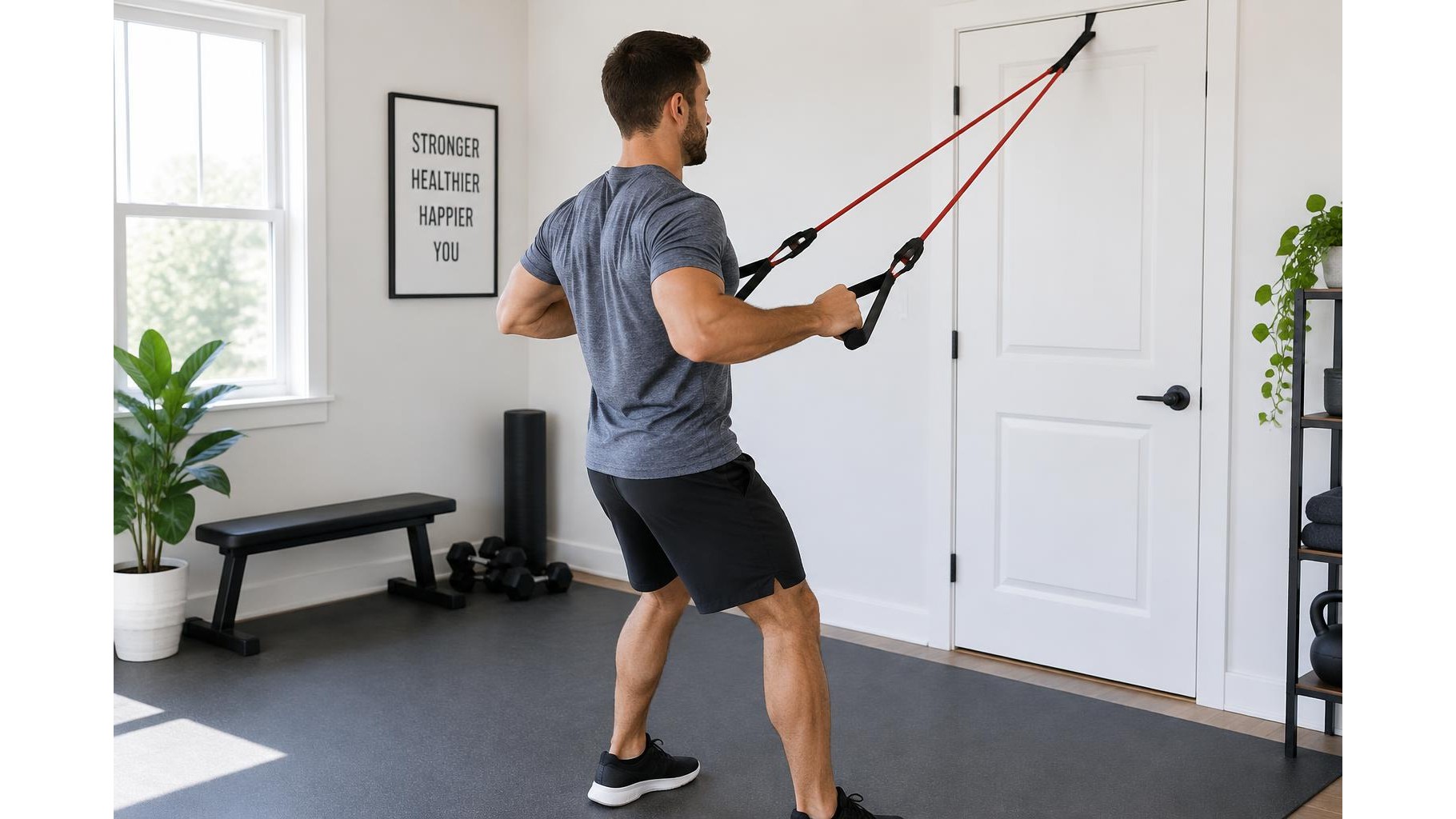
Portable trainers commonly attach to a door, a sturdy fixed point, or a bar designed for the system. A door anchor is convenient, but compatibility and safe installation matter: follow the maker’s instructions, use a structurally sound door, and check that it closes securely against the direction of pull. For floor-based movements, some kits use foot plates or straps instead of a door attachment. Consider the exercises you plan to do and whether the anchor can be positioned at high, middle and low points. Before every session, inspect straps and connection points, and test the setup with gentle tension before applying full force.
Prioritise comfortable, secure handles
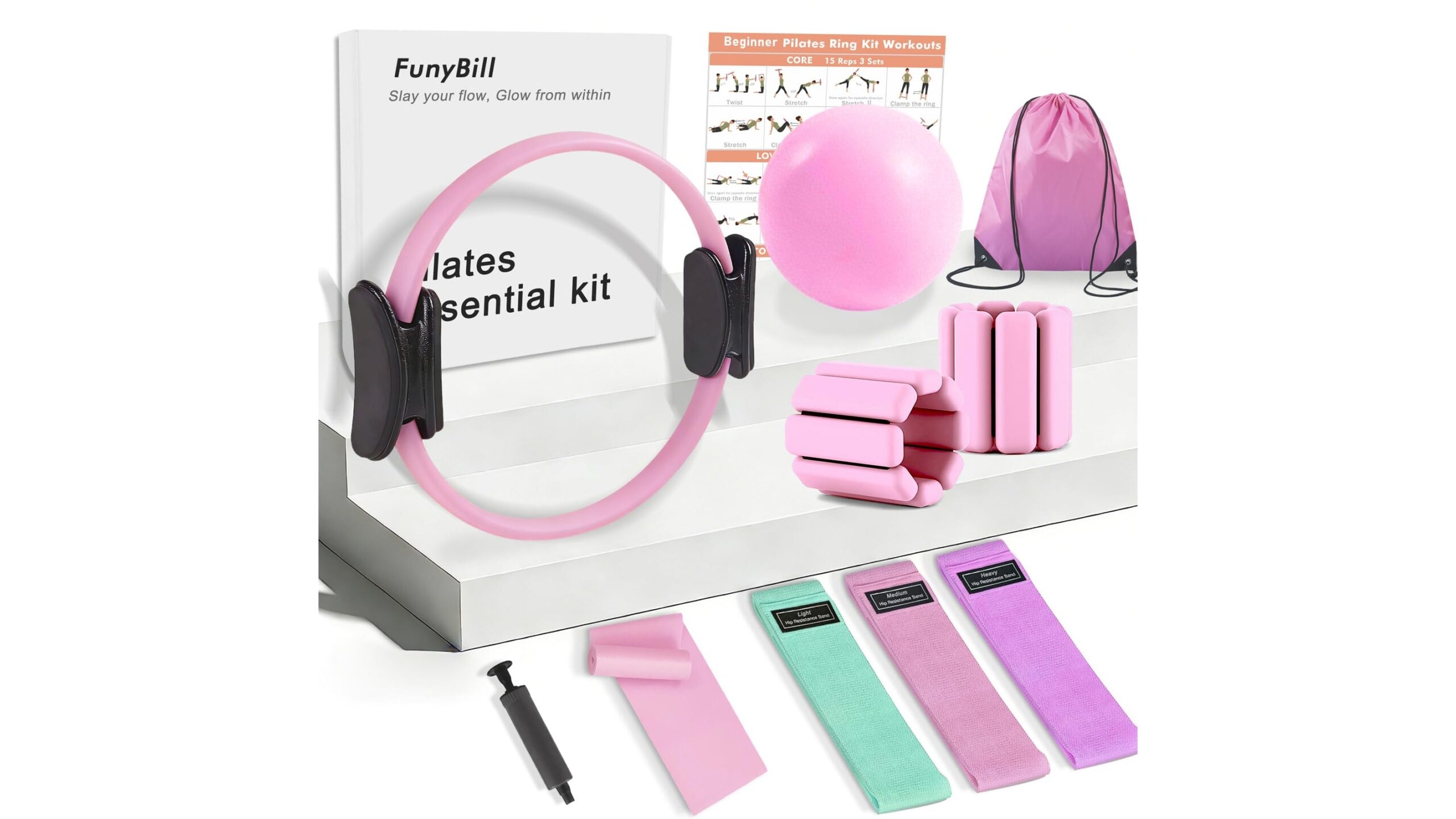
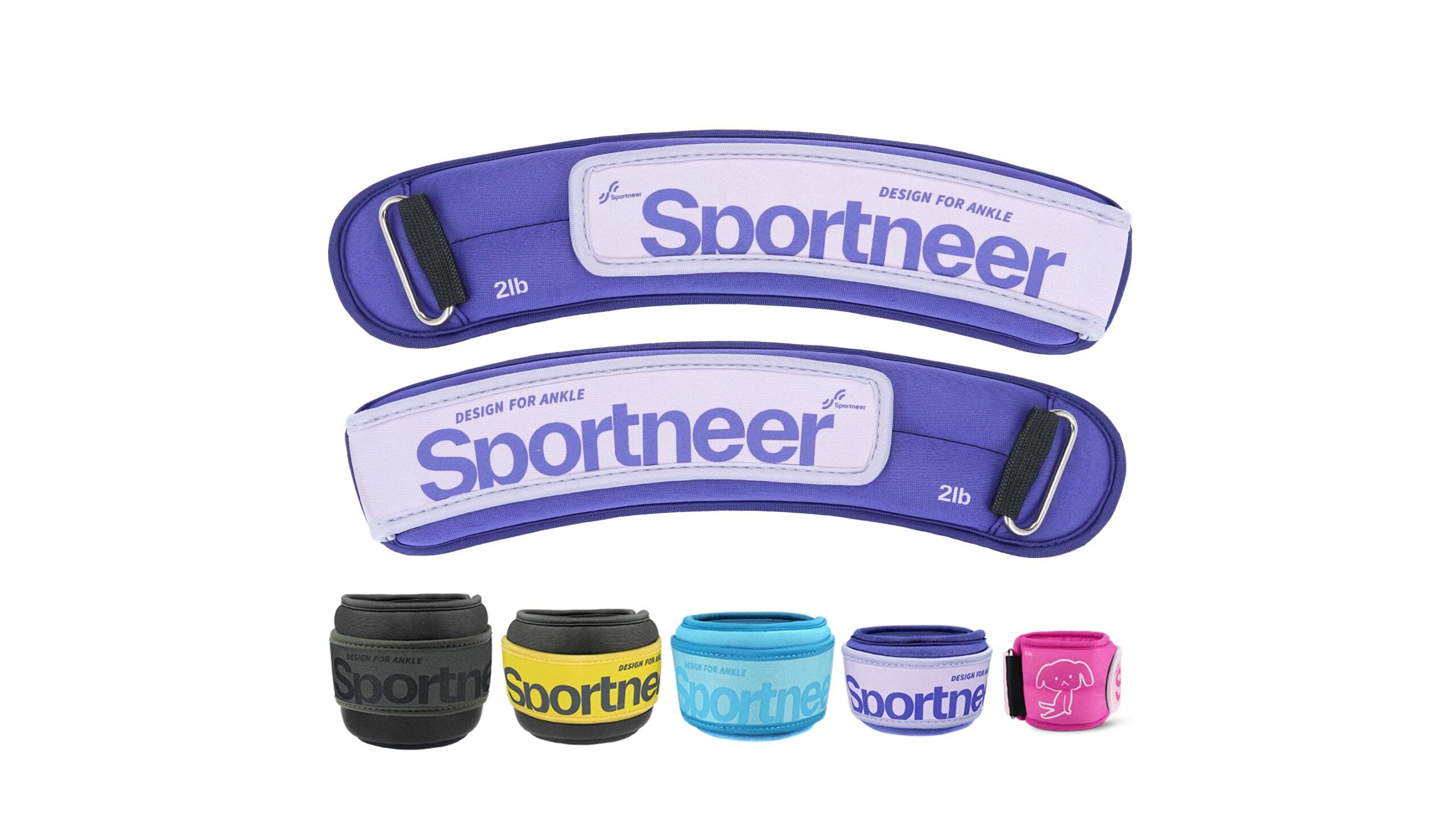
Handles affect how willingly you use the equipment, especially during longer sessions. Look for a shape that sits naturally in the hand, a non-slip surface and attachment hardware that does not dig into your fingers. Some systems include ankle straps or a bar attachment; these can widen exercise options, but only if they are useful for your routine and connect securely. Check the grip and stitching for signs of wear over time. If possible, choose a kit with replaceable or standardised components, so one worn accessory does not make the entire trainer unusable.
Make setup and storage realistic
A portable system should be quick to assemble, adjust and pack away. Check the number of bands and clips, how resistance changes between exercises, and whether the kit includes a storage bag. A complicated changeover can interrupt workouts, while poorly labelled bands make it harder to repeat a consistent session. Also consider your available floor space: a trainer may store compactly but still need room for full-range movements. Read the setup instructions before buying and make sure you can create a safe, unobstructed training area at home.
Choose exercises that support your goals
For beginners, a straightforward routine can include banded squats, chest presses, rows, shoulder presses and controlled curls. Start with manageable resistance, practise technique and increase the load only when repetitions remain smooth. Intermediate trainees can use stronger combinations, unilateral movements and slower tempo work to make exercises more challenging. However, elastic resistance feels different from a weight stack: tension often increases as the band stretches, so control the return rather than letting it snap back. A cable-free trainer is versatile, but it should complement a balanced programme, not encourage rushed progress.
A practical choice for flexible training
Before choosing, compare the usable resistance range, anchor options, handle comfort, setup time and storage needs against your actual routine. Beginners benefit from simple adjustments and clear progression; intermediate users should prioritise adequate resistance and dependable hardware. The best compact trainer is the one you can anchor safely, set up consistently and use comfortably for a range of movements. Check the manufacturer’s limits and care instructions, inspect components regularly, and build your home workouts around controlled technique and gradual progression.