Training at home no longer has to mean random workouts and guesswork. A growing number of free YouTube channels now offer structured home strength programs that feel like training with a coach, not just following a one-off routine. Below you’ll find a curated list of reliable, evidence‑informed creators who provide full‑length sessions, clear progressions and realistic equipment options, so you can build strength consistently in your home gym.
What to look for in a structured YouTube strength program
Before diving into specific channels, it helps to know what makes a YouTube program genuinely useful for home strength training. Look for clearly labelled series or playlists (e.g. 4‑week or 8‑week plans), progressive overload over time, and full‑length follow‑along sessions so you’re not stitching random videos together. Good coaches explain technique cues, offer modifications for different levels and state equipment requirements up front, whether that’s bodyweight only or a simple home set‑up with a mat, dumbbells and a bench. Ideally, they also reference evidence‑based principles like rest periods, training frequency and recovery, so you can trust the structure behind the workouts.
Bodyweight‑focused channels for beginners and small spaces
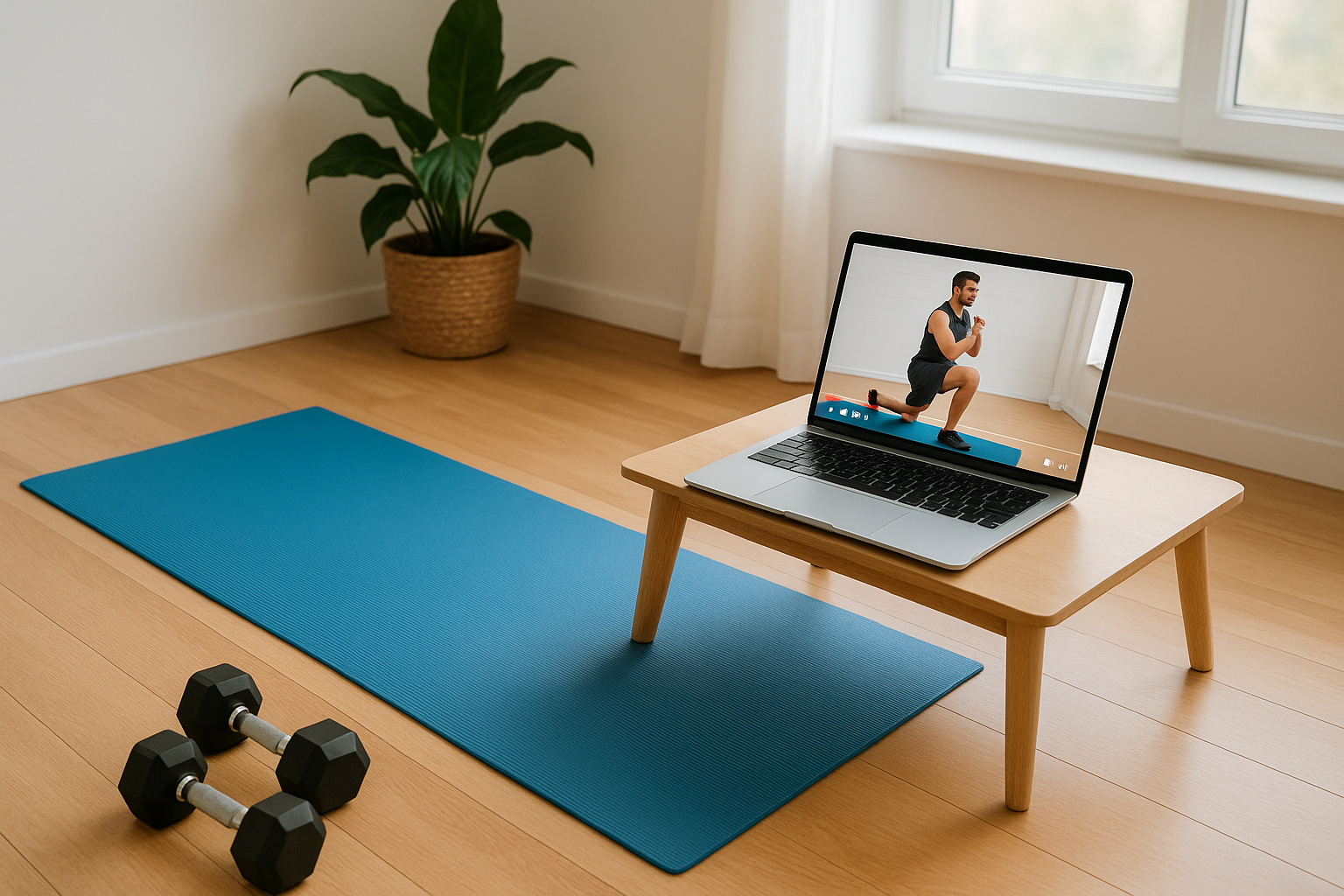
If you’re starting out or training in a very small space, bodyweight‑centric channels can be the perfect entry point. These creators typically offer phased programs (for example, a 30‑day or 12‑week plan) that cycle through full‑body sessions, upper‑ and lower‑body splits and core work, all without needing heavy gear. You’ll usually need only a comfortable exercise surface; a basic non‑slip exercise mat works well for floor work and core training. Many of these channels emphasise joint‑friendly progressions, focusing on mastering movement patterns such as squats, hinges and push‑ups before adding external load. They are ideal if you want to build foundational strength, improve mobility and establish a routine before investing in more equipment.
Dumbbell‑based programs for progressive home strength
Once you’ve built a base, channels that centre on dumbbell strength training allow for more systematic progression while still keeping your set‑up simple. Look for creators who programme structured 3‑ to 5‑day‑per‑week splits with clear exercise order, repetition targets and cues to increase weight over time. A pair of light‑to‑moderate dumbbells is enough to start, but having access to heavier options unlocks more long‑term progress. Coaches who are evidence‑minded will highlight concepts like training close to failure, sufficient weekly volume per muscle group and balanced push–pull patterns. Many also provide real‑time coaching during the session, so you can check tempo, breathing and posture while you lift in your living room.
Channels using minimal but smart home gym equipment
Some of the best home strength programs on YouTube sit between pure bodyweight and a full commercial gym, using a few smart pieces to open up more exercise variety. Channels in this space often incorporate a bench or step for presses, rows and Bulgarian split squats, resistance bands for added tension, and occasionally a single kettlebell for swings and carries. They tend to structure workouts into blocks (for example, strength blocks followed by short conditioning finishers) and label programmes clearly by goal, such as strength, hypertrophy or athletic performance. This kind of set‑up is ideal if you want long‑term progression and enjoy a more athletic training style without cluttering your home with machines.
Coaching style, progression and staying consistent
Beyond the exercises themselves, the coaching style on a YouTube channel can make or break your consistency. Some creators are high‑energy and talk throughout the set; others demonstrate quietly with timers and on‑screen cues. There are channels that offer detailed breakdowns of exercise form and explain why each movement is in the program, while others focus on a more follow‑along, “just press play” experience. When choosing a channel, check whether they provide structured calendars or pinned comments listing the order of sessions week by week. Combine that with simple tracking—such as noting weights, reps and RPE (how hard a set feels)—and you effectively have a guided, periodised home program for free. Pick a style you enjoy listening to, because that’s what will keep you showing up for months, not just days.
With so many options available, the key is to choose a structured, evidence‑informed YouTube channel that matches your current level, available equipment and preferred coaching style. Start with bodyweight or light dumbbell programs, then gradually increase load and complexity as your strength grows. Treat the channel’s playlists like a written program: commit to it for several weeks, track your progress and resist the urge to hop between random videos. Done this way, your home gym—no matter how minimal—can deliver serious strength gains guided by expert coaching, all without a subscription fee.