
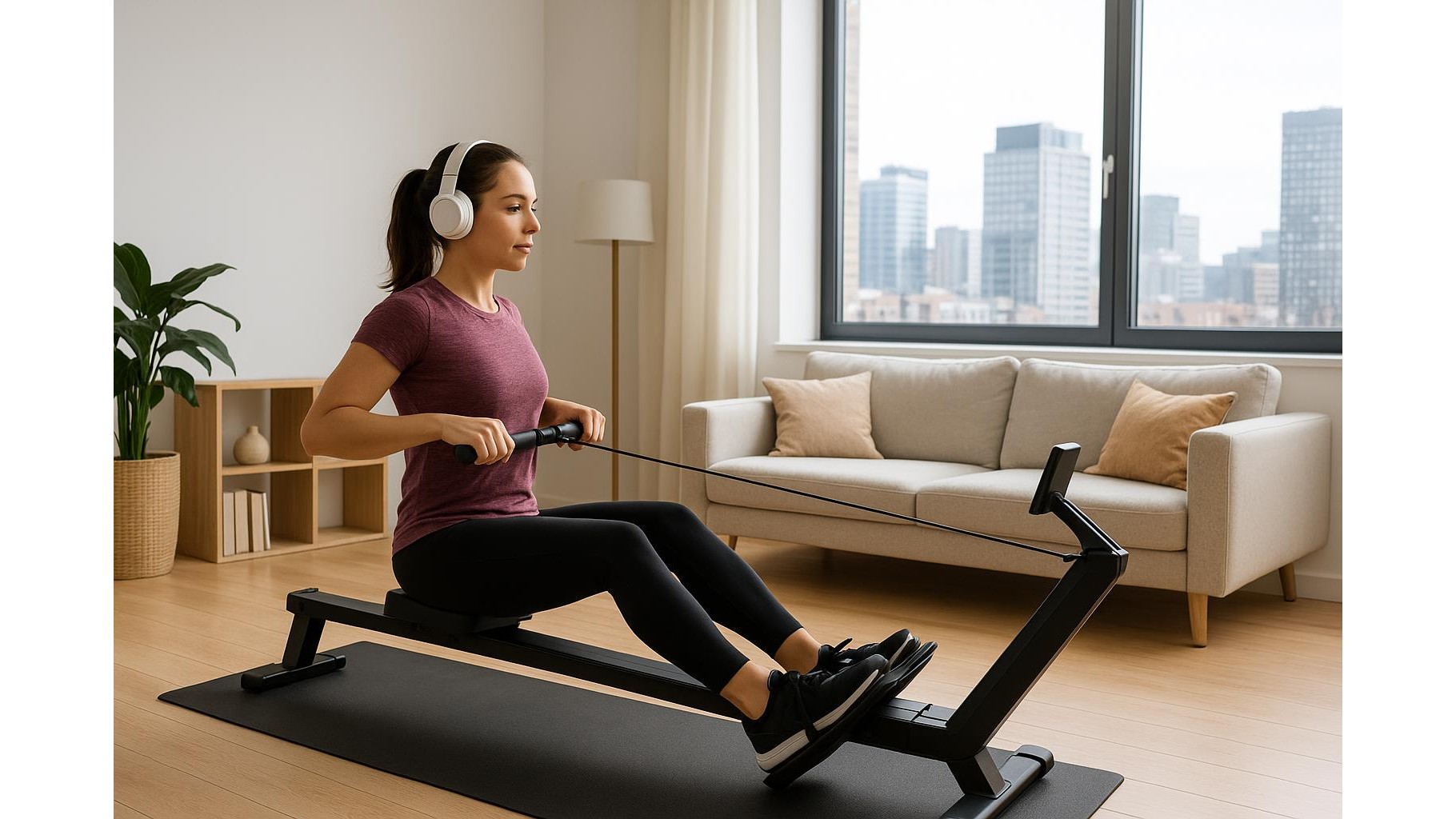
Magnetic rowing machines without fans have become a go‑to solution for people who want serious cardio at home without annoying their neighbours. By swapping noisy fan flywheels for smooth magnetic resistance, these rowers are ideal for compact spaces and shared walls. In this guide, we break down how fanless magnetic rowers work, what noise levels you can realistically expect, the most important apartment‑friendly features, and how they compare with traditional air and water rowing machines for a home gym setup.
How fanless magnetic resistance really works
In a magnetic rowing machine without a fan, you still pull a handle attached to a strap or chain that spins a flywheel, but resistance comes from magnets positioned close to that flywheel rather than blades pushing air or paddles moving water. When you change the setting on the console or dial, the magnets move closer or further from the flywheel. Closer magnets create a stronger magnetic field and more resistance, further magnets reduce it. Because there is no big fan scooping air and no water tank to churn, the motion is fluid, controlled and consistent throughout the stroke. Many modern models use electromagnetic systems controlled electronically, letting you fine‑tune resistance in small increments, which is perfect for structured workouts and progressive overload in a home gym.
Noise levels: what to expect in an apartment
The main appeal of fanless magnetic rowers is how quiet they are. With no air rushing through a cage or water sloshing in a tank, the loudest sounds you hear are the seat rolling on the rail, the soft whirr of the internal mechanism and the handle return. For most quality models, the noise is often low enough to hold a conversation or watch TV at normal volume. This makes them especially suited to flats with thin walls or late‑night training when you do not want to disturb housemates. To keep things even quieter, look for a rower with a smooth aluminium rail, well‑padded seat and good build quality, and consider placing a rubber mat under the machine to dampen vibration, especially if you have neighbours below.
Key features for small apartments and home gyms
For a compact home gym, the best magnetic rowing machines without fans combine silence with smart space‑saving design. Prioritise rowers that fold vertically or store upright to minimise their footprint between sessions. A light to mid‑weight frame with transport wheels helps you move the rower from living room to storage without hassle. Adjustable footrests, a comfortable ergonomic seat and a handle with a neutral grip reduce strain during longer workouts. On the tech side, a clear LCD or backlit display that tracks time, distance, strokes per minute, calorie estimates and heart rate (via sensor or chest strap compatibility) will make your sessions more effective. Some fanless magnetic rowers now add Bluetooth connectivity for pairing with fitness apps, which is useful if you want guided workouts without adding bulk or noise.
Magnetic vs air and water rowers for home use
Compared with air rowers, which use a fan flywheel, magnetic machines are dramatically quieter and have a more predictable resistance curve that does not depend on how hard you pull. This is ideal if your priority is low noise and controlled intensity rather than simulating on‑water racing. Against water rowers, fanless magnetic rowers give up some of the natural feel and whooshing sound that many people enjoy, but they win on maintenance, cleanliness and compactness, since there is no need to change water, use treatments or manage a bulky tank. In tight apartments where neighbours or sleeping children are close by, the balance usually tips in favour of magnetic resistance without fans, because you get effective full‑body cardio with minimal impact on your surroundings and more flexibility for when you train.
Who should choose a fanless magnetic rowing machine?
A magnetic rower without a fan is an excellent choice if you live in a flat, share walls, or simply prefer quiet workouts. It suits beginners who want smooth, low‑impact cardio, as well as intermediate users focusing on steady‑state sessions or interval training with clear resistance levels. If your main goal is to build a consistent home cardio routine without dedicating an entire room to equipment, the compact footprint, easy storage and low maintenance of these rowers are huge advantages. More advanced athletes who love the feel of outdoor rowing or prepare for competition might still prefer high‑end air or water machines, but for most home gym owners in apartments, fanless magnetic rowing machines deliver the best compromise between performance, noise control and everyday practicality.
In summary, magnetic rowing machines without fans are arguably the quietest and most apartment‑friendly cardio option you can add to a home gym. By relying on adjustable magnetic resistance instead of air or water, they keep sound levels low while still providing effective full‑body training. If you choose a model with solid build quality, foldable design, and the right console features for your goals, you can enjoy regular rowing workouts at home without disturbing anyone around you and without sacrificing valuable living space.









