Keeping a consistent home workout routine is less about motivation and more about systems. Lightweight habit-tracking apps help you turn training into an automatic part of your day: you schedule sessions, tick them off in seconds, and get visual feedback on your progress without getting sucked into social feeds or complex analytics. Below we look at some of the best simple habit-tracking apps to keep your training on track across devices.
Why use a simple habit tracker for home workouts
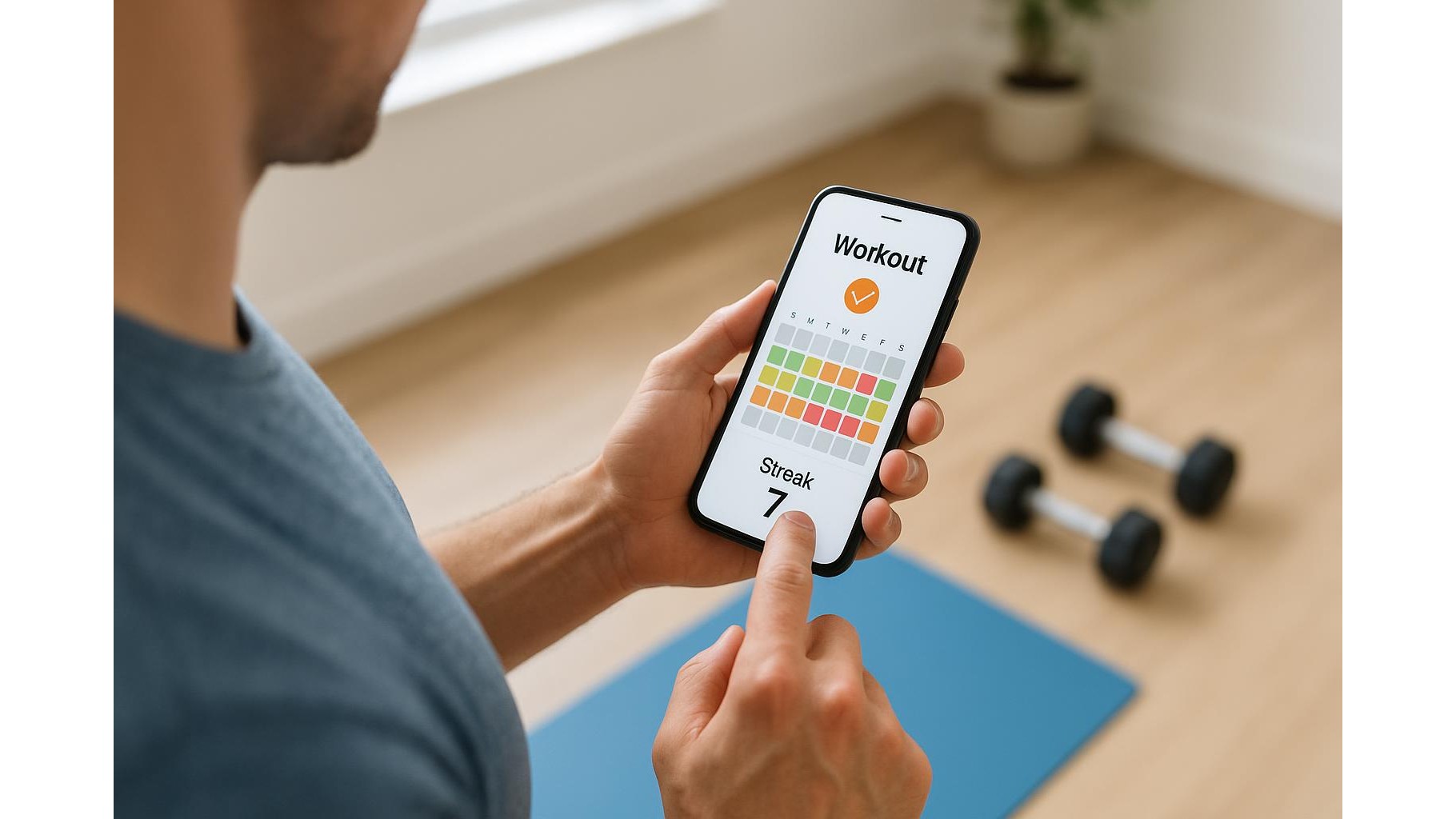
When you train at home, it is easy to skip sessions because there is no gym check-in or trainer waiting. A minimal habit tracker removes friction: you open the app, see today’s workout habit, and tap to mark it done. Streaks, colour-coded calendars and gentle reminders keep your workout consistency visible without overwhelming you with features meant for power users. Instead of logging every rep, you simply confirm that you completed your planned session—perfect if you already follow a written or video training plan and just need a way to stay accountable. Many of these apps sync across phone and tablet, so your workout schedule follows you around the house.
[h ol_placeholder type=”cta” id=”telegram”/]
Key features that matter for fitness habits
For home fitness, the best habit-tracking apps share a few traits. They let you create custom habits like “Morning mobility”, “20‑minute strength circuit” or “Evening walk”, then assign them to specific days so you can build a weekly workout schedule. Clear streak counters and monthly calendars make it obvious when you are on track or slipping. Simple reminders help you time habits around work and family life, while colour coding (for example, one colour for strength, another for cardio and a third for recovery) gives you a quick snapshot of how balanced your training week is. Finally, cloud sync and backup across devices means you can check off workouts on your phone after training in the living room or on a tablet in your home gym corner.
Building streaks without pressure
One of the biggest benefits of using a habit tracker is the psychology of streaks. Seeing a long chain of completed workout days on your calendar makes you reluctant to break it, which nudges you to move even when you are tired. However, the best simple apps avoid turning streaks into a source of guilt. You can usually pause habits during travel or illness and restart without losing all your history. This keeps the focus on long‑term consistency rather than perfection. For home training this is crucial: life will interrupt your ideal plan, but as long as you keep coming back and checking off sessions most days of the week, your strength, mobility and cardio fitness will steadily improve.
Using reminders and colour coding to shape your week
Simple reminder settings turn your habit app into a quiet coach for your home workouts. You might schedule a notification at 7 a.m. for a quick bodyweight routine before work, another at lunchtime for a brisk walk, and one in the evening for stretching. Because these tools are lightweight, the reminders are fast to set and even faster to snooze or reschedule, so they support your routine instead of nagging you. Pair this with colour coding to plan balanced weeks: mark strength days in one colour, cardio in another, and mobility or yoga in a calmer shade. Over a month, your calendar becomes a visual map of your training load, helping you avoid both overtraining and long gaps without movement.
Integrating training plans across devices
If you follow structured home training plans from videos, PDFs or coaching apps, a habit tracker works best as a simple layer on top. You create high‑level habits like “Upper‑body dumbbell workout” or “Kettlebell conditioning” and link them mentally (or in notes) to specific programmes or playlists. Thanks to cross‑device sync, you can view your habit list on your phone while casting a workout video to your TV, or tick off a completed session on your tablet right in your garage gym. Because these apps are lightweight, they rarely drain battery or demand constant attention, so they are easy to keep open while streaming music or timing intervals.
Choosing the right app for your home workout style
When choosing a habit-tracking app to support your home workouts, prioritise simplicity and clarity over advanced analytics. Ask whether the interface makes it effortless to see today’s workout, whether reminders are flexible enough for your schedule, and whether visual elements like streaks and colours genuinely motivate you. Look for reliable sync so you can mark habits complete on whichever device is nearby in your home gym. Once you have set up a small number of well‑defined habits—such as strength, cardio and mobility blocks—your only daily job is to show up, move, and tap “done”. Over time, those small digital checkmarks add up to big changes in strength, energy and confidence at home.
In summary, lightweight habit trackers are powerful allies for building consistent home workout routines. They strip away distractions, keep your training visible in your day, and make it satisfying to stay on track. Combined with a realistic plan and basic home gym equipment, they help you transform exercise from an occasional effort into a stable, long‑term habit that fits effortlessly into your home life.