Choosing the right large wall mirror for your home gym is about much more than aesthetics. A well-sized, safely mounted mirror helps you monitor lifting technique, maintain proper alignment, and avoid injuries during strength training. The challenge is finding a mirror that fits your space, offers a clear and undistorted reflection, and stays secure even when workouts get intense, all without paying extra for smart features you don’t need.
Why a large wall mirror matters for strength training
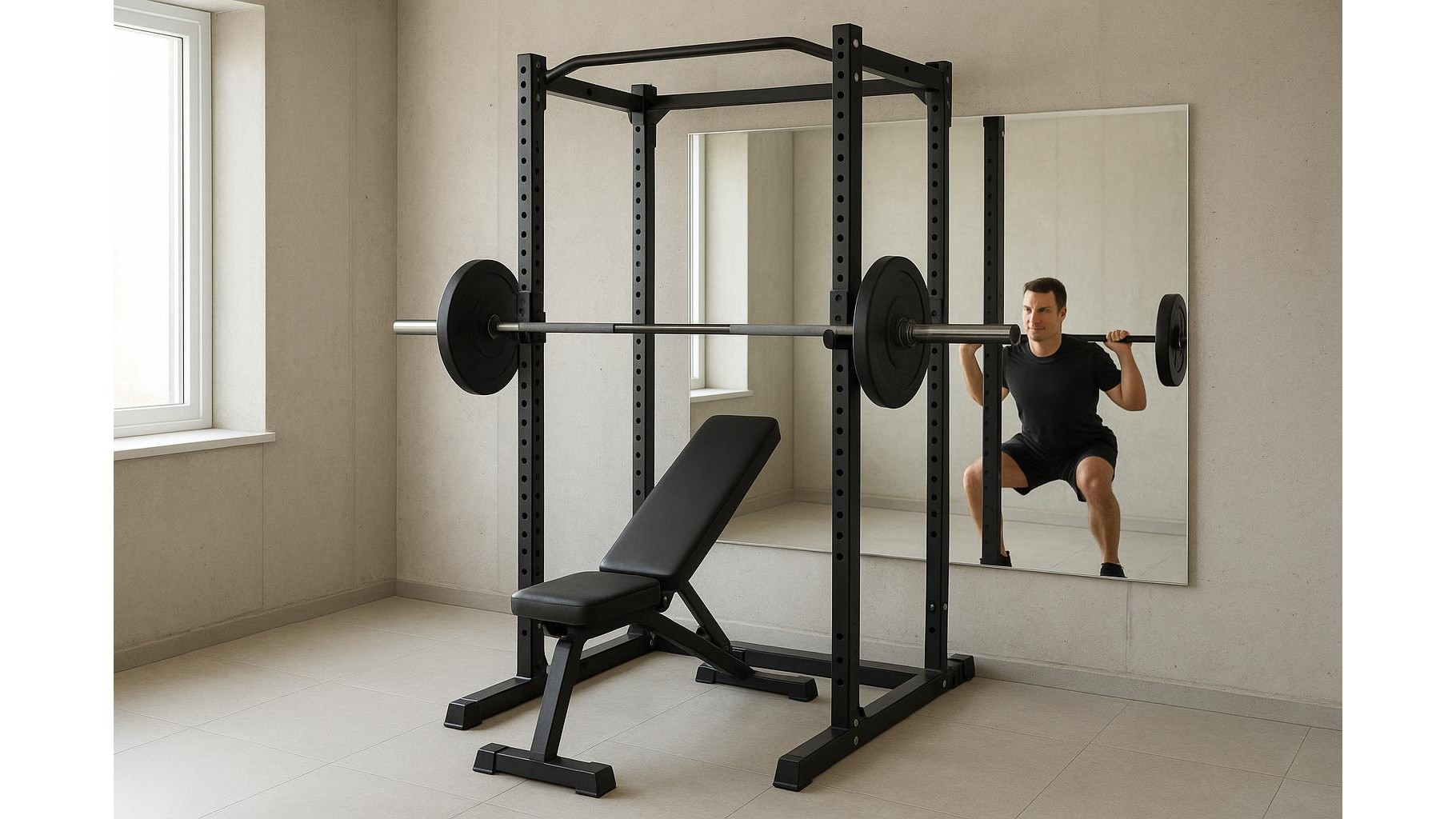
For effective technique checks, your mirror should show your full body in motion, from your feet to above your head, even when you’re holding a barbell or dumbbells. This makes it easier to correct knee tracking in squats, back angle in deadlifts, and shoulder position in overhead presses. A small mirror forces you to lean or angle yourself, which can actually encourage bad habits. A large mirror also helps in tight home gym spaces by visually opening up the room, making basements and garages feel less cramped.
[purely_placeholder type=”cta” id=”telegram”/]
Ideal size and proportions for a home gym mirror
As a rule of thumb, choose a wall mirror at least as wide as your main lifting station and tall enough to cover from just above floor level to slightly above your fully extended arms. Many lifters aim for around 150–180 cm in height for full-body coverage. If one huge mirror won’t fit, consider using two or three narrower panels placed side by side to create a continuous reflective wall. Prioritise height over extreme width: seeing bar path and joint alignment from head to toe is more important than capturing the entire room.
Safety first: backing, mounting, and placement
For safer strength training, never rely on lightweight picture hooks or temporary fixings. Use heavy-duty wall anchors and brackets suitable for your wall type (brick, concrete, or plasterboard), following the manufacturer’s load ratings. Whenever possible, choose a mirror with a safety backing film or laminated glass so if it breaks, shards stay attached rather than scattering across the floor. Mount the mirror slightly above skirting boards to protect the bottom edge, and avoid placing it where plates or dumbbells are frequently dropped. Check that there’s enough clearance for exercises like deadlifts and kettlebell swings so you’re not at risk of hitting the glass.
Getting the best reflection quality without smart features
A good non-smart wall mirror should offer a bright, undistorted image across the entire surface. Look for consistent reflection without waves, warping, or dark patches, which can make bar paths and body alignment harder to judge. Standard silvered glass is usually sufficient for home gyms; you don’t need integrated lighting or displays if your space is already well lit. Position the mirror opposite or at an angle to your main light source to reduce glare. Neutral walls and minimal clutter in the reflected area help you focus on your posture and movement rather than distractions in the background.
Practical tips for fitting a mirror into a small home gym
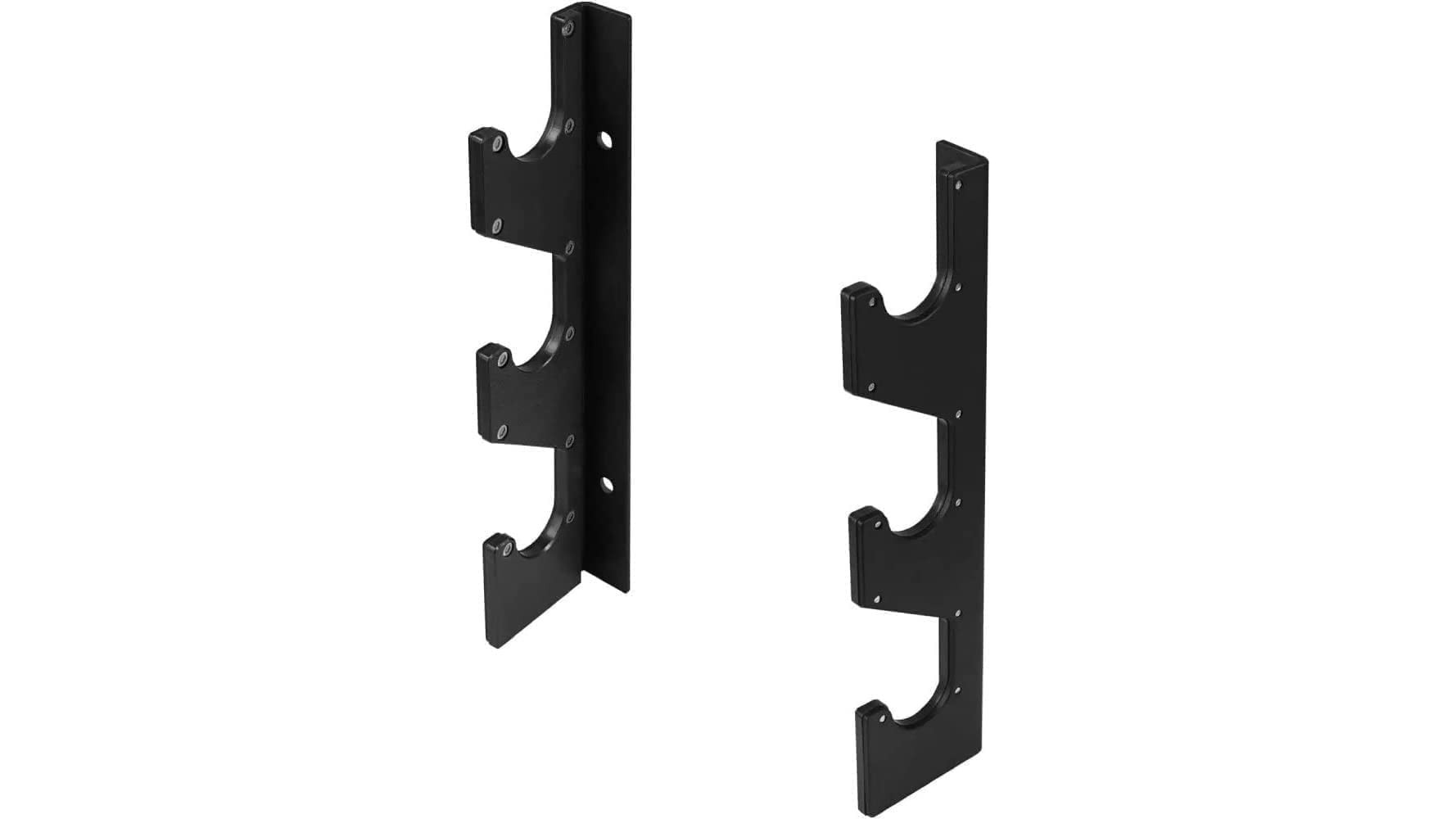
In compact spaces, think in terms of zones. Place your largest mirror panel where you do your most technique-critical lifts: squats, presses, rows, and accessory work. If you can’t dedicate a whole wall, install a tall narrow mirror centred on your rack or lifting platform. For multi-purpose rooms, consider mirrors that can sit nearly flush to the wall so they don’t eat into valuable floor area around benches and cardio equipment. Keep storage racks, hooks, and shelving to the sides of the mirror so the crucial centre area reflects your full body, not piles of gear. With a carefully chosen large wall mirror, even the smallest home gym can become a safer, more functional training space.
When you balance size, safety, placement, and reflection quality, a simple, non-smart wall mirror becomes one of the most valuable tools in your home gym. It helps you spot technique errors early, build better movement patterns, and train with more confidence, all while keeping your space open and uncluttered. Take time to measure, plan your wall layout, and invest in secure mounting so your mirror works with you through years of strength training progress.