Athletes training at home often struggle with cold hands and feet, especially in cooler rooms or early morning sessions. Poor circulation in the extremities does more than feel uncomfortable: it can reduce grip strength, slow reaction time and increase the risk of strains. With a few targeted warm-up and recovery strategies, plus the right home equipment, you can keep blood flowing, protect your joints and perform better in every session.
Understanding why your hands and feet stay cold
Cold extremities usually mean your body is prioritising blood flow to the core to keep vital organs warm, leaving hands and feet under-supplied. Low room temperature, low body fat, tight shoes or gloves, and staying still too long between sets all make things worse. For home athletes, it’s easy to jump straight into a workout without a proper circulation-focused warm-up. Instead, start with 5–10 minutes of dynamic movement that specifically targets fingers and toes: wrist circles, finger flicks, ankle circles, toe scrunches and light bouncing on the spot. These small movements trigger vasodilation and prepare tissues before any heavy lifting or cardio.
Circulation-boosting warm-ups you can do in your living room
Build a simple routine that moves from the centre of the body to the extremities. Begin with big compound movements like bodyweight squats, marching in place or gentle knee lifts to raise your core temperature. Then add targeted drills for hands and feet: rapid opening and closing of the fists, towel-grip squeezes, calf raises and heel-to-toe rocking. Aim for 30–60 seconds per exercise with minimal rest. Keeping the tempo brisk prevents blood from pooling and encourages a steady flow to fingers and toes. If you train with resistance bands or light dumbbells at home, integrate them with wrist curls and forearm rotations to warm the smaller muscles that control your grip.
Layering and gear choices for warmer extremities
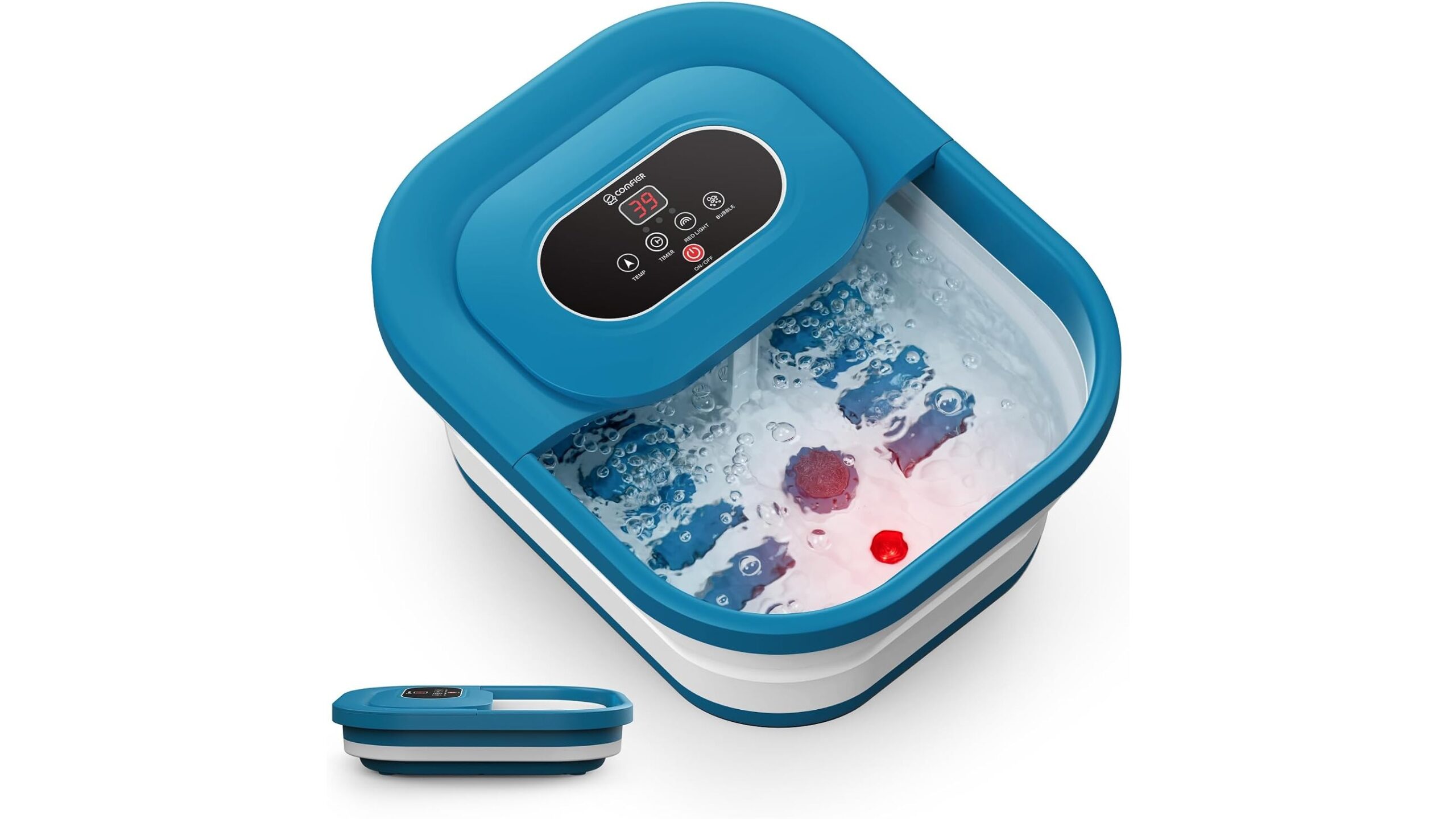
What you wear at home can significantly impact circulation. Choose thin, breathable layers that trap warm air without causing you to overheat. Start with a base layer that wicks sweat, then add lightweight socks and fingerless gloves so you can still handle equipment safely. Avoid constrictive socks or shoes that compress toes and restrict blood flow. If your feet remain stubbornly cold, consider using a heated recovery tool after your session. A good example is the COMFIER Foot Spa Massager with Heat, Foot Bath with Heater, which offers adjustable temperature and massage rollers to stimulate circulation precisely where you need it most.
At-home heated recovery: a closer look at a foot spa massager
The COMFIER Foot Spa Massager with Heat, Foot Bath with Heater can be a powerful ally for athletes with persistently cold feet. Equipped with 3D massage rollers that target acupressure points on the soles, it helps relax tight foot muscles after impact activities like skipping, running or plyometrics. Its intelligent temperature control (around 95–118°F) lets you select a comfortably warm setting that promotes blood flow without overheating. Features such as oxygen bubbles and red light add a hot-spring-like feel, aiding in fatigue relief and soothing overworked feet. Because it is collapsible, you can easily store it under a bed or sofa, making it practical for small home gyms or multipurpose rooms.
Gentle post-workout routines to lock in warmth
Recovery is the moment to consolidate the benefits of your training and tackle cold extremities for good. After your workout, spend 5–10 minutes on low-intensity movement such as slow marching, ankle circles and light shaking of arms and legs to gradually lower heart rate without a sudden drop in circulation. Follow with simple stretching for calves, hamstrings, forearms and hands. If your feet feel numb or icy, a 10–20 minute session in the COMFIER Foot Spa Massager with Heat, Foot Bath with Heater can gently rewarm tissues, while the pumice stone included can be used occasionally to remove dead skin that may interfere with comfort in training shoes. Finish by drying feet thoroughly and putting on dry, warm socks to maintain the heat you have generated.
Managing cold hands and feet at home is about combining smart movement, sensible layering and thoughtful recovery tools. A structured warm-up primes circulation, the right clothing keeps heat where you need it, and targeted devices like a heated foot spa massager provide deep comfort after training. By integrating these strategies into your home workout routine, you can reduce discomfort, improve performance and make every session more productive and enjoyable.