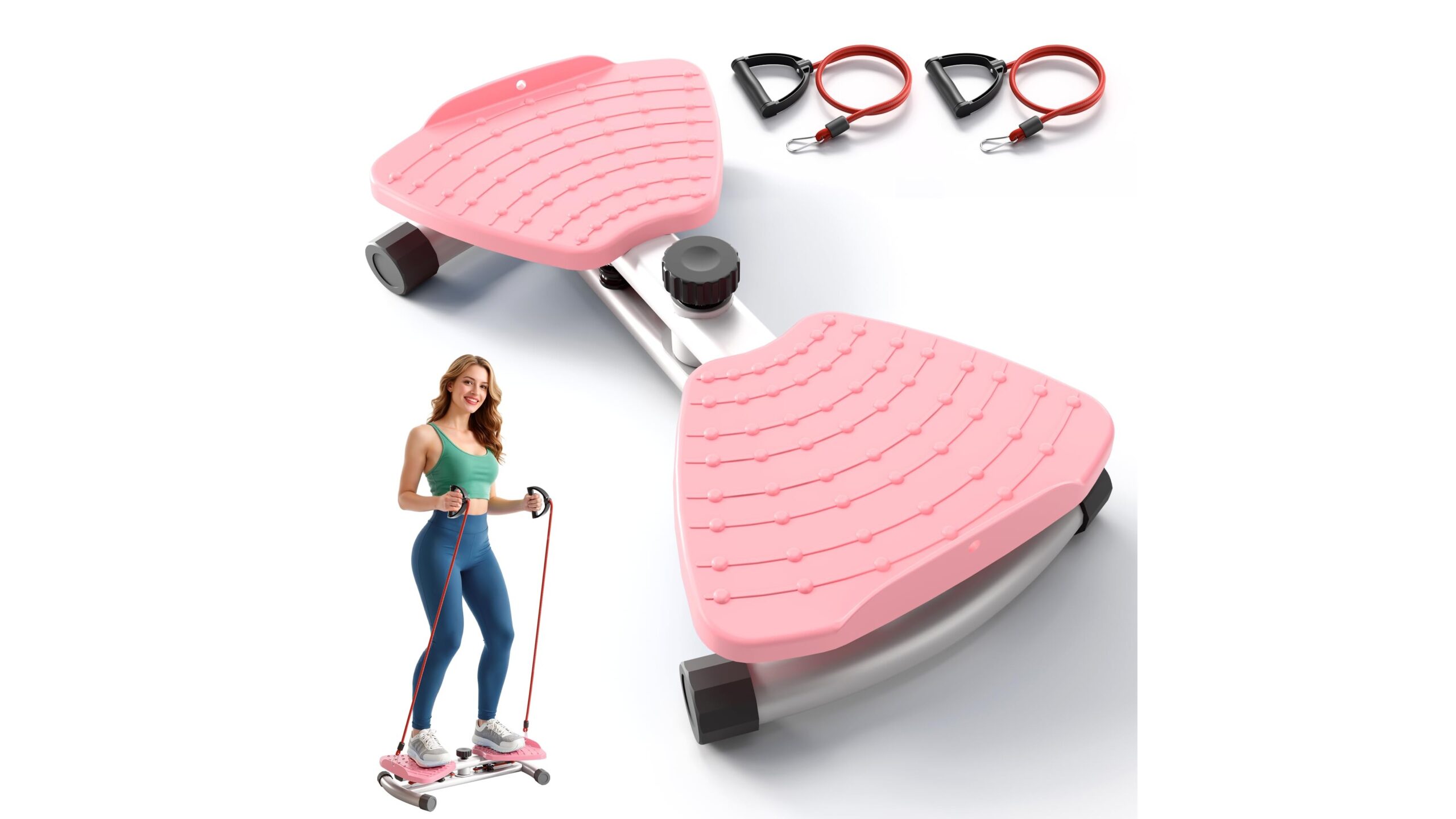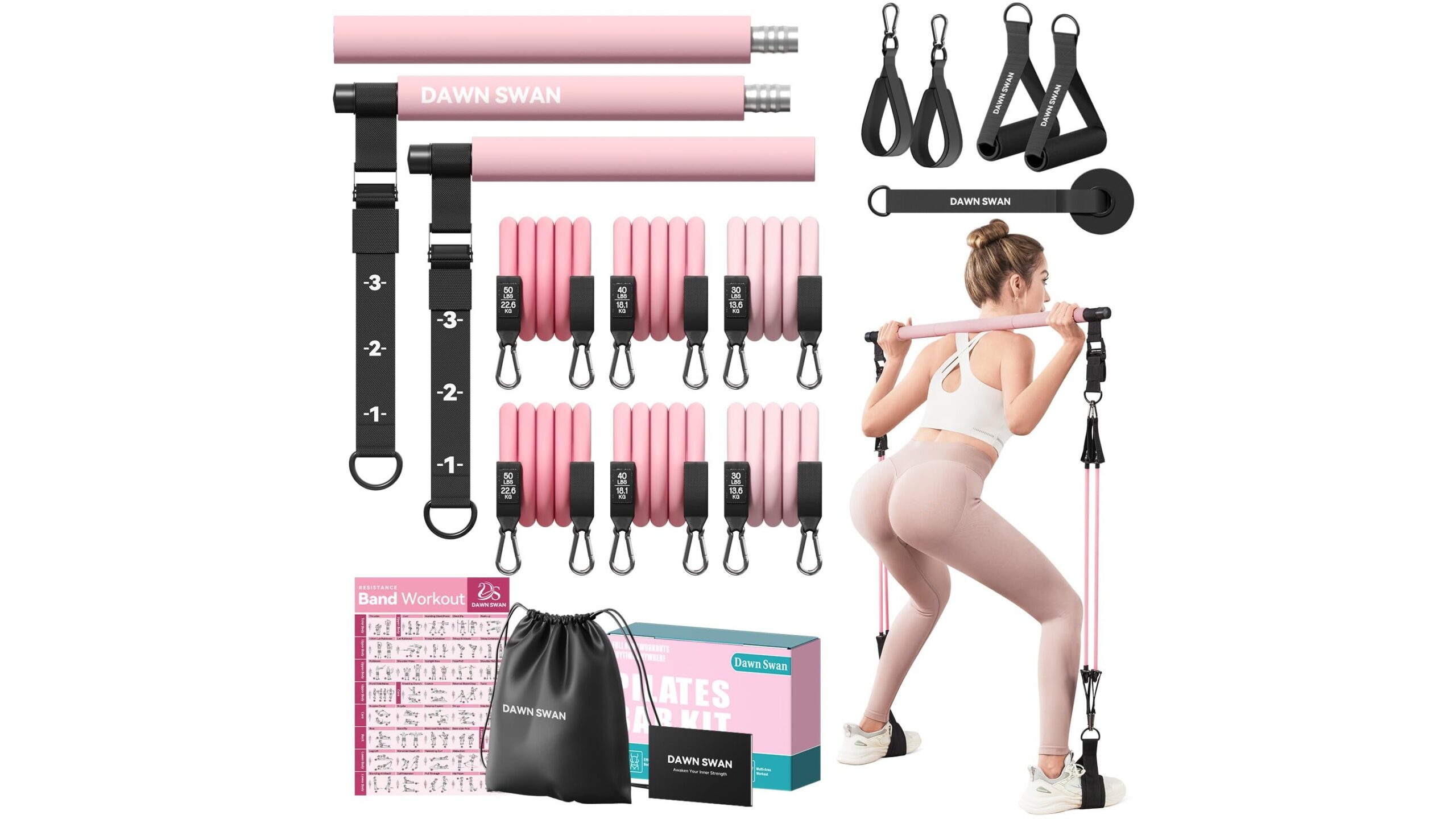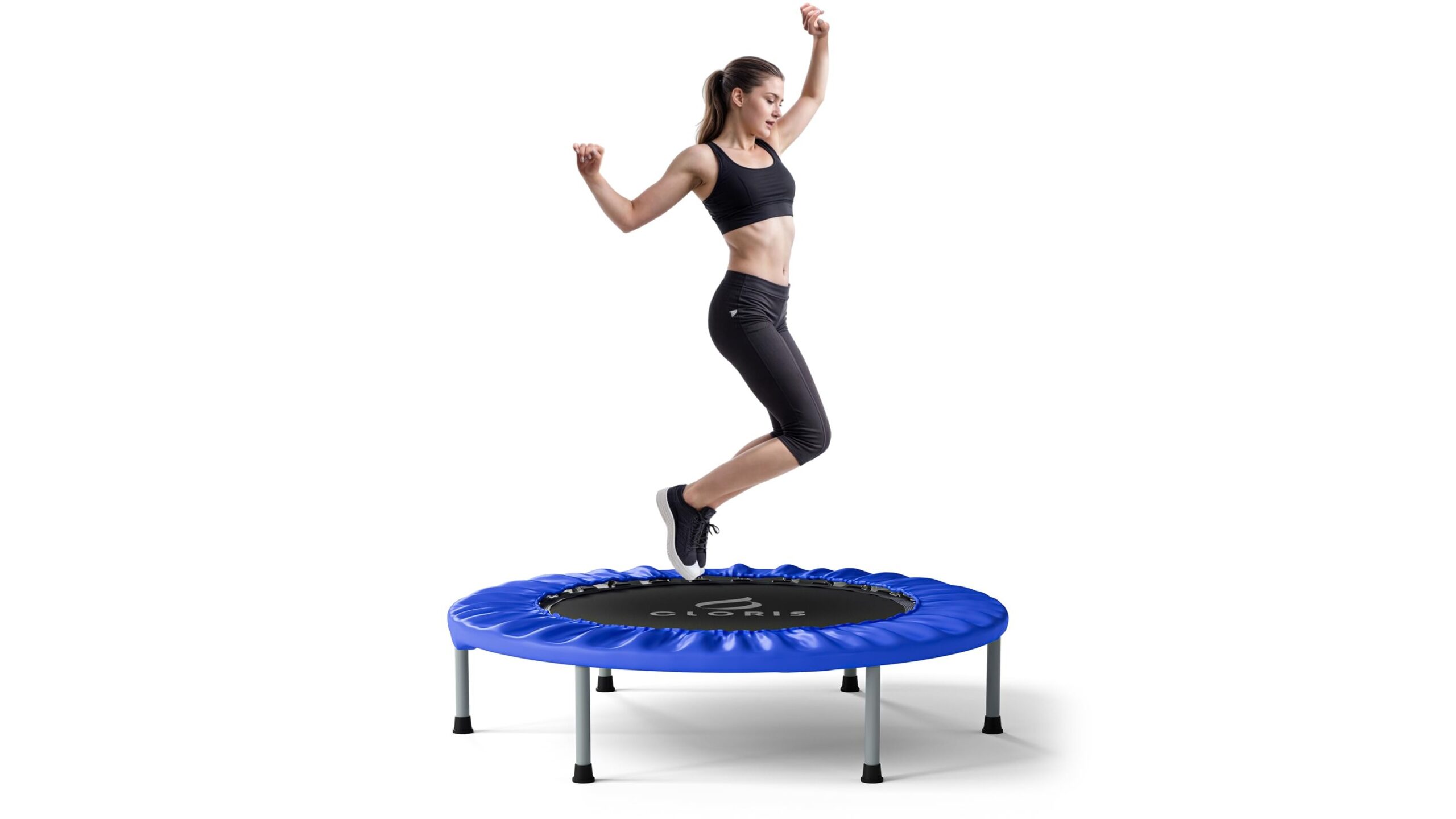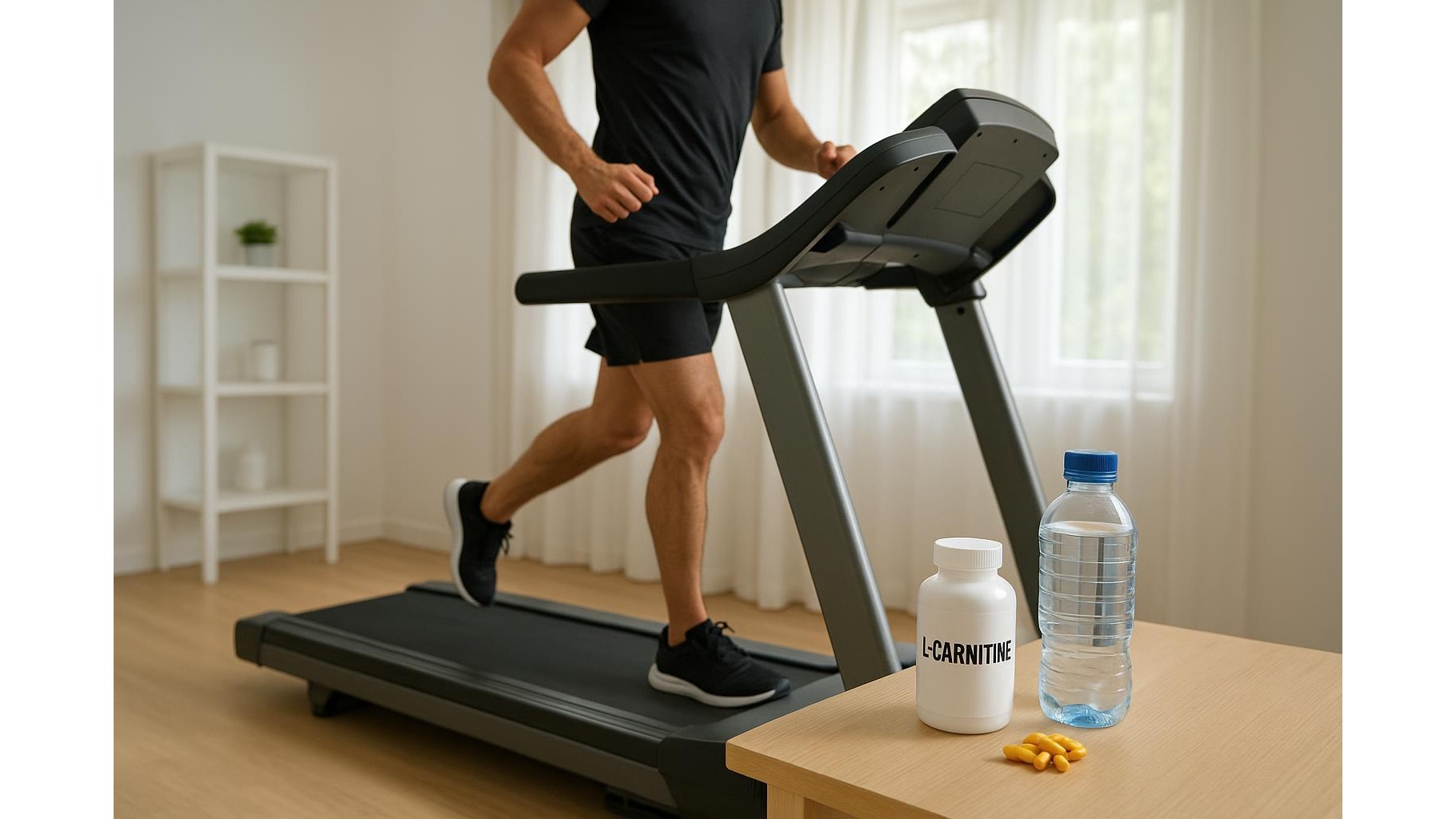
L-carnitine is one of the most talked‑about supplements among people doing home cardio training, from treadmill intervals to bike workouts and step machines. Marketed as a powerful fat burner, it promises better endurance, faster recovery and easier weight loss. But how much of that is actually supported by science, and how much is just smart marketing? In this article we look at the evidence on L‑carnitine, with realistic expectations for people who mainly train at home, plus practical tips on dosage, timing and safety.
How L‑carnitine works (and why it’s not magic)
L‑carnitine is a compound naturally produced by your body and stored mostly in your muscles. Its main job is to help transport fatty acids into the mitochondria, where they can be burned for energy. This is why it is often sold as a direct fat loss supplement. However, research shows that in healthy people with a normal diet, L‑carnitine levels are usually not the limiting factor for fat burning. For home trainees, this means that simply adding a capsule will not turn slow walking on a treadmill into a massive calorie‑burning session. L‑carnitine can support the fat‑burning process, but it still depends on a proper calorie deficit, consistent cardio training and adequate protein intake. Think of it as a small helper, not the main driver of results.
Realistic benefits for home cardio and endurance
While the direct impact of L‑carnitine on scale weight is modest, some evidence suggests potential benefits for endurance performance and recovery, especially over longer periods. Studies indicate that regular supplementation may support better use of fat as fuel during steady‑state cardio, possibly sparing muscle glycogen. For a home trainee this could translate into slightly easier longer sessions on your indoor bike or rowing machine, and less feeling of being “drained” afterward. There is also research pointing to reduced exercise‑induced muscle damage and soreness, which may help you stick to a frequent cardio routine. However, these effects are generally small and appear after weeks, not days, of consistent use. L‑carnitine works best alongside a structured plan of regular cardio and resistance training, not in isolation.
Dosing and timing: how to take L‑carnitine at home
Most research‑based protocols use 1,000–2,000 mg of L‑carnitine per day, often split into two doses. For home users, a simple strategy is to take 500–1,000 mg with breakfast and another 500–1,000 mg later in the day. Because L‑carnitine is better absorbed with food, especially with some carbohydrates, taking it around meals rather than on an empty stomach is usually recommended. Timing it close to your cardio workouts is convenient but not essential, since potential benefits are linked to long‑term changes in muscle carnitine levels rather than an immediate pre‑workout boost. If you are new to supplements, start on the lower end of the range for a week or two to check tolerance before increasing the dose. Consistency across weeks matters more than the exact clock time you take it.
What L‑carnitine cannot do for fat loss
Despite impressive marketing claims, L‑carnitine alone will not create visible fat loss in the absence of lifestyle changes. It cannot replace a calorie‑controlled diet, sufficient protein or the actual work you do on your treadmill, bike or skipping rope. It will not spot‑reduce fat from stubborn areas like the belly or hips, and it will not compensate for frequent high‑calorie “cheat” meals. For many people, the biggest benefit of taking a supplement is psychological: it may serve as a reminder to stay consistent with training and nutrition. That can be useful, but it is crucial to keep expectations realistic. The main drivers of home fat loss remain your daily calorie balance, total activity level (including steps) and how regularly you perform cardio and strength sessions.
Safety notes and who should be cautious
For healthy adults, L‑carnitine at typical doses of up to 2,000 mg per day is generally considered safe. The most common side effects are mild and may include nausea, stomach discomfort or a fishy body odour in a small number of users. People with existing kidney disease, liver issues or those taking medication should speak to their doctor before starting any supplement. There is some debate about long‑term high‑dose use and potential effects on cardiovascular health through metabolites like TMAO, so it is wise not to exceed recommended doses and to use L‑carnitine as part of an overall heart‑healthy lifestyle (balanced diet, blood pressure control, not smoking). Pregnant or breastfeeding women, and anyone under 18, should avoid L‑carnitine supplements unless specifically advised by a healthcare professional.
In summary, L‑carnitine can be a useful, but modest, addition to a structured home cardio training program. It may slightly support endurance, recovery and fat utilization, but it is not a magic shortcut to weight loss. The fundamentals still matter most: a sustainable calorie deficit, consistent cardio and strength work, and good sleep and stress management. If you decide to use L‑carnitine, choose a simple, well‑dosed product, take it regularly with meals, and combine it with smart training on your home equipment. That way, any benefit you gain from the supplement will be built on a solid foundation of habits that truly drive long‑term results.