Building a consistent home workout habit is much easier when you always know exactly what to do next. A simple kanban board app can become a powerful command centre for your home training blocks, letting you plan strength, cardio and mobility sessions, see deload weeks in advance and adjust on the fly when life gets busy. You don’t need a complex coaching platform: with a few smart columns and well‑structured cards you can turn any basic kanban tool into your personal training planner.
Mapping training blocks into clear columns
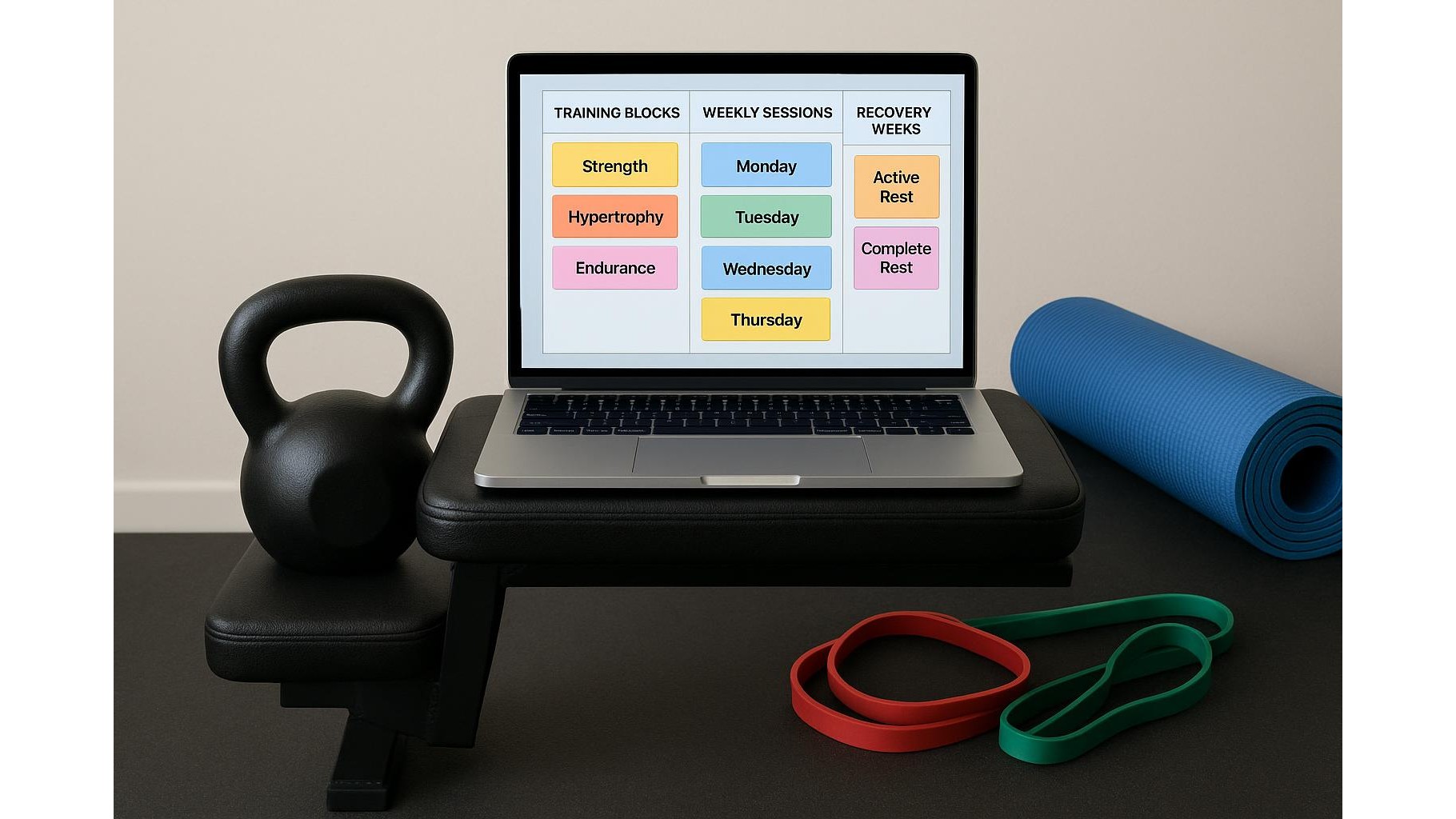
Start by designing your board around training blocks rather than random workouts. Create main columns such as “Backlog” (ideas and future blocks), “Current Block”, “Deload / Recovery” and “Completed Blocks”. Each card in these columns represents a 4–6 week cycle focused on a goal like hypertrophy, max strength or conditioning. In the card description, write the weekly structure (for example: 3 strength days, 2 cardio days, 2 mobility sessions). This top‑down view stops you chasing random workouts and keeps your home gym efforts aligned with a clear progression.
Turning weeks and days into actionable cards
Once your blocks are defined, break them into smaller, actionable units. Inside your “Current Block” column, add cards for each training week: Week 1 – Base Strength, Week 2 – Volume Push, and so on. Within each weekly card, list your daily sessions as checklist items (e.g. “Day 1: Lower body strength”, “Day 2: Upper body strength + core”). You can also create a separate column called “Today” and drag the relevant daily card into it every morning. This keeps your focus laser‑sharp: open the app, check the “Today” column, and you instantly know the exact session to perform in your home gym.
Tracking exercises, loads and progression
The real power of a kanban training board comes from the information inside each card. Use the card description or checklists to log exercises, sets, reps and loads for your barbell, dumbbells or resistance bands. For strength sessions, create subtasks like “Back squat – 4×6 @ 60 kg” or “Push‑ups – 3×AMRAP” and tick them off as you complete them. For cardio, add time or distance targets (“30 min zone 2”, “5 km easy run”), and for mobility, list key drills (“90/90 hip switches”, “thoracic rotations”). Over time, the “Completed Blocks” column becomes a visual training log you can review to adjust volume, intensity and exercise selection.
Building in recovery weeks and flexibility
Home training often competes with work, family and stress, so your kanban system must include recovery weeks and built‑in flexibility. Create a recurring card type called “Deload Week” and move it into your “Current Block” column every 4–6 weeks. Inside, schedule lighter loads, shorter cardio and extra mobility or walking. If you miss a session, simply drag that day’s card back to a “To Do” or “This Week” column instead of skipping it entirely. This makes your plan adaptive rather than rigid, so you maintain momentum without guilt while still respecting long‑term progression and injury prevention.
Using tags, colours and simple metrics
Finally, enhance your kanban board with tags and colours to track different training qualities at a glance. Use coloured labels for Strength, Cardio, Mobility, Core or Recovery, and make sure each week shows a balanced spread of labels. Add a quick RPE (Rate of Perceived Exertion) score or “fatigue level” in the card title after each session, such as “Upper Strength – RPE 7”. You can also keep a simple checklist on the block card itself with metrics like “Hit 80% of planned sessions”, “Added load to 2 key lifts”, or “Improved mobility on overhead squat”. These tiny data points give you an objective sense of progress without turning your home gym routine into a spreadsheet obsession.
With a clear structure of blocks, weeks and daily sessions, any basic kanban board app can become a powerful organiser for your home training. You’ll always know what today’s workout is, how it fits into your current block, and when your next recovery week is due. Most importantly, you transform your home gym from a random collection of equipment into a focused training system that steadily moves you towards your strength, cardio and mobility goals.