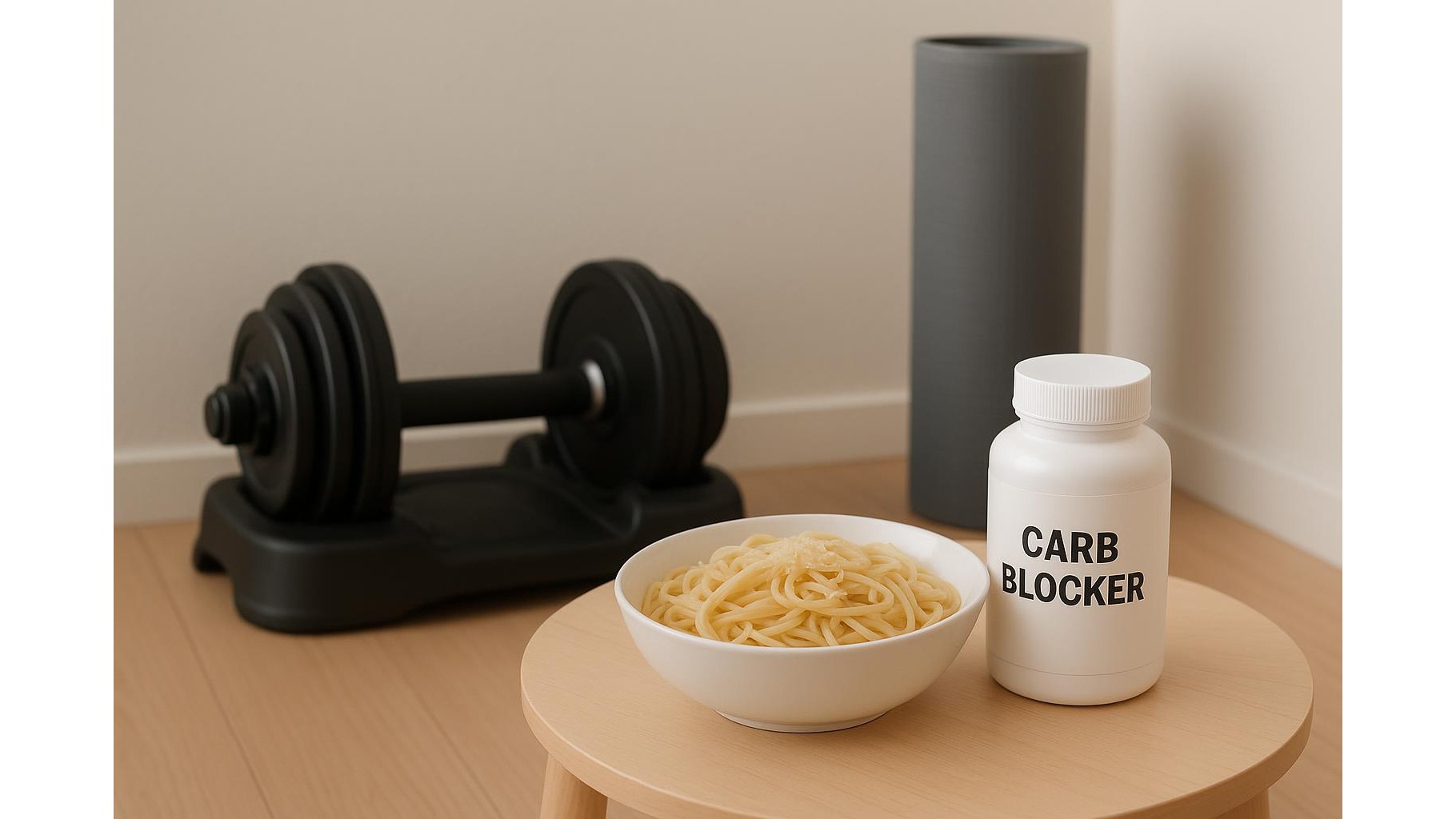
For many home athletes, carbohydrate intake feels like the main obstacle between consistent training and visible results. This is why carb blocker supplements, especially those based on white kidney bean extract and its active compound phaseolamine, have become popular. They promise to “block” some of the carbs you eat, lower blood sugar spikes and support fat loss without changing your meals too much. But how do they really work, and how useful are they in a realistic home fitness routine?
How phaseolamine carb blockers claim to work
Most commercial carb blockers use extracts from white kidney beans (Phaseolus vulgaris). The key molecule, often listed as phaseolamine or “alpha-amylase inhibitor”, is designed to partially inhibit alpha-amylase, an enzyme in your digestive tract that breaks down complex carbohydrates (like starch from pasta, bread, rice, potatoes) into absorbable sugars. In theory, by reducing this enzyme activity, a portion of the carbs passes through the gut without being digested and therefore without being converted into glucose and stored as energy or fat. This mechanism mainly affects starchy carbs, not sugars already present in sweet drinks, candies or fruit.
What the research actually says about fat loss
Controlled studies on white kidney bean extract show a modest effect at best. Some small trials report a slightly reduced calorie absorption from starchy foods and minimal weight loss over several weeks when subjects keep their diet and activity relatively stable. However, the impact is generally much smaller than what marketing suggests: a few dozen calories per meal, not a “free pass” for unlimited pasta. In addition, the effect strongly depends on taking the correct dose, at the right time (usually just before starchy meals) and on the total amount of carbs eaten. For home athletes focusing on body recomposition, the difference from carb blockers alone is usually overshadowed by overall calorie intake, protein consumption and training volume.
Blood sugar control, cravings and home performance
Another advertised benefit of phaseolamine-based carb blockers is better blood sugar control and fewer energy crashes. Some research indicates a small reduction in post-meal glucose spikes when taking these supplements with carb-heavy meals, which may help certain individuals with carb sensitivity. A steadier glucose curve can, in theory, mean fewer sudden hunger pangs and slightly more stable energy for home workouts. Still, these effects are highly variable: individual response, portion size, overall diet quality and timing of exercise all play a major role. For many active people, adjusting meal composition—for example adding fibre, protein and healthy fats to carb meals—has a more reliable effect on appetite and training performance than relying on a blocker capsule.
Side effects and who should be cautious
Because carb blockers interfere with carb digestion, undigested starch can move further into the intestines and be fermented by gut bacteria. This is why common side effects include bloating, gas, abdominal discomfort and sometimes loose stools, especially when high doses are taken or when carb intake is large. People with existing digestive issues, such as irritable bowel syndrome, may find these symptoms especially problematic. There is also a theoretical risk of interactions for people on diabetes medication, since both drugs and supplements can affect blood glucose levels. Anyone with metabolic or gastrointestinal conditions should discuss carb blockers with a healthcare professional before adding them to a home fitness supplement stack.
When training and meal structure work better than pills
For most home athletes, focusing on structured nutrition and consistent training offers far greater returns than carb blockers. Building meals around sufficient protein, plenty of vegetables and moderate, well-timed carbohydrates naturally helps control total calories and stabilise blood sugar. Strategies such as eating protein and fibre before starch, choosing low–energy-density foods, and aligning bigger carb servings with more intense strength training or HIIT sessions can outperform the small effects of phaseolamine. In parallel, effective home routines—progressive resistance training, regular cardio, adequate sleep and stress management—have a far stronger influence on fat loss and body composition than any over-the-counter carb blocker capsule.
In summary, carb blocker supplements like those based on white kidney bean extract and phaseolamine can slightly reduce the absorption of starchy carbs and modestly smooth post-meal blood sugar spikes, but their impact on real-world fat loss is limited. They also carry potential digestive side effects and are not a substitute for a balanced, protein-rich diet and well-planned home fitness programme. If you choose to experiment with carb blockers, treat them as a minor accessory, not a central strategy: the biggest changes to your health, performance and physique will still come from what you cook in your kitchen and how you move in your training space.