Building a home gym often starts with one big cardio machine, and the choice usually comes down to a classic treadmill or a specialised incline trainer. While they look similar, their mechanics, muscle emphasis and space demands are very different. Understanding how steep indoor climbs change training stimulus, joint impact and day‑to‑day usability is key before you invest in a machine that dominates your living room.
Incline trainers vs treadmills: what actually changes?
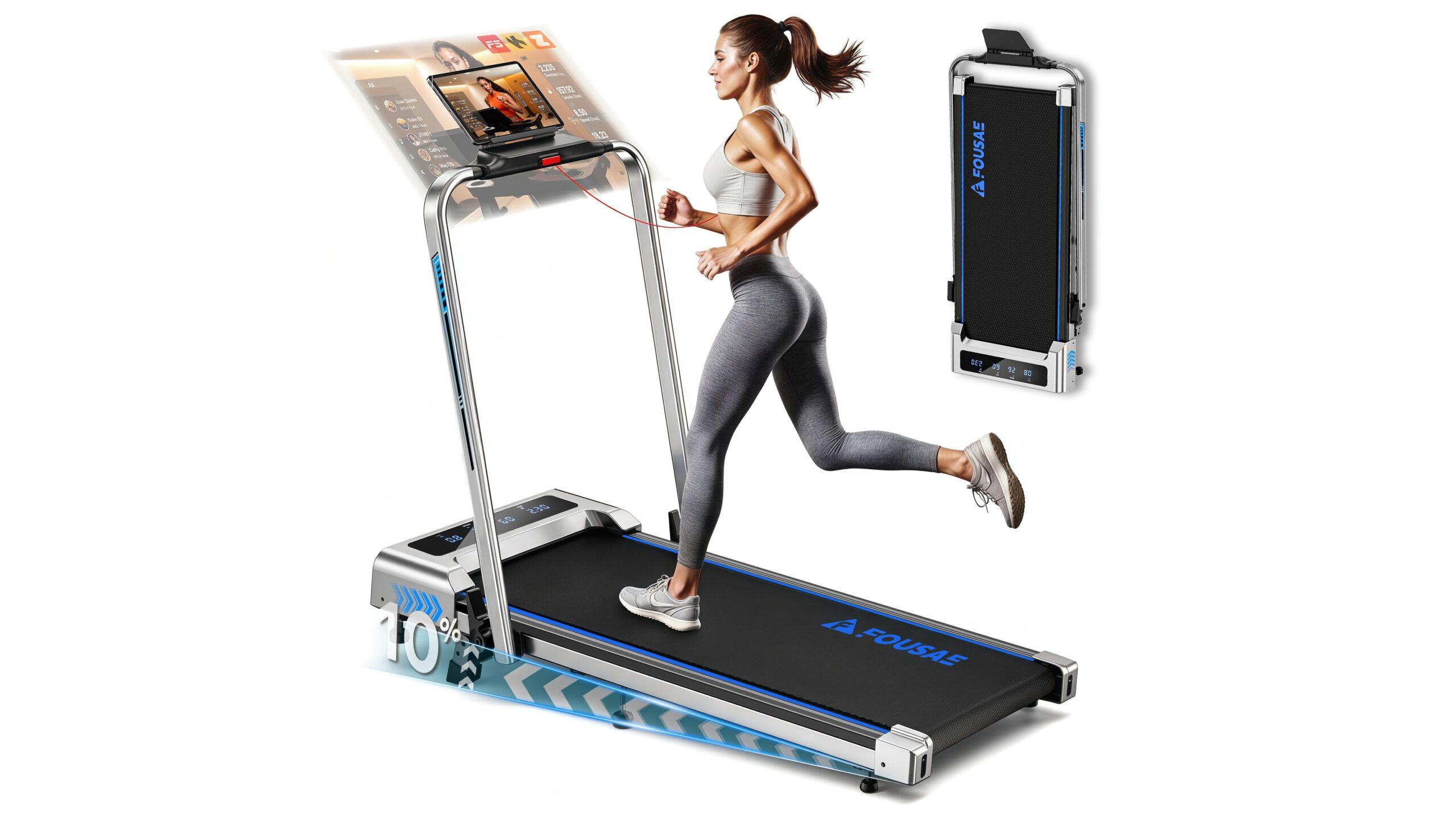
Both machines let you walk or run on a moving belt, but an incline trainer is engineered to reach ultra‑steep grades – often 30–40% or more – whereas most standard treadmills top out around 10–15% incline and frequently include decline and flat running options. At extreme incline, your walking speed naturally drops, yet your heart rate and calorie burn can match or exceed a faster jog, with less impact than running. That makes incline trainers particularly attractive for users who want a brutal cardio workout but are wary of high‑speed pounding. Classic treadmills, by contrast, shine for running mechanics, interval sprints and versatility across low, moderate and high intensity sessions.
Muscle recruitment, calorie burn and joint stress
Increasing incline shifts emphasis from the quads toward the glutes, hamstrings and calf muscles, making incline trainers superb for posterior‑chain development. Walking at 20–30% incline significantly ramps up oxygen consumption and caloric expenditure at relatively low belt speeds. This is ideal if you want intense conditioning without learning to run or sprint. Joint‑wise, slow uphill walking typically creates less impact stress on knees, hips and lower back compared to repeated heel‑strike at higher running speeds. However, very steep grades can increase Achilles tendon and calf load if you overdo it. Standard treadmills spread the load more evenly and are better for practising natural running gait, but they inevitably come with higher repetitive impact when used for fast running.
Space, noise and specs that matter in a small home gym
In tight spaces, the real‑world footprint and usability of your cardio machine can matter more than the spec sheet. Dedicated incline trainers are often taller and heavier, with long decks and powerful motors to drive steep climbs; that can mean more noise, more floor vibration and zero portability. For small flats, a solid folding treadmill with a 10–12% incline range usually wins. Prioritise a running deck of at least 130 cm length for comfortable strides, a motor around 2.5–3.0 CHP for mixed walking and running, and a strong, simple frame over flashy consoles. Good cushioning systems can meaningfully reduce joint impact, and built‑in fan, quick‑access incline/speed buttons and reliable safety key design all affect day‑to‑day usability far more than exotic training modes you never touch.
Who really benefits from ultra‑steep indoor climbs?
Incline trainers are not automatically “better”; they are better for certain people. If you are primarily a walker wanting aggressive fat loss or mountain‑style conditioning; an endurance athlete training for hilly hikes or trail events; or someone with joint sensitivities who can handle load but not impact, steep uphill walking at home can be a game changer. Fixed‑grip, hands‑on uphill intervals make it easier for beginners to work at high intensity without technical running skill. On the other hand, if you love or want to learn to run, value interval sprints, or share the machine with multiple family members of mixed fitness levels, a regular treadmill with a moderate incline range is normally the wiser, more flexible choice.
How to decide: decision framework for your home gym
Start with your primary goal: if it is high‑intensity walking, glute emphasis and mountain‑specific fitness, lean toward an incline‑focused machine. If it is overall cardio versatility, 5K‑to‑half‑marathon training and shared household use, choose a standard treadmill with up to 10–12% incline and, if possible, light decline. Next, audit your space and neighbours: low ceilings, thin walls and upper‑floor flats favour more compact, quieter treadmills used mainly for brisk walking and light jogs. Finally, consider long‑term adherence: the “best” machine is the one you will step on four or five times a week. Test similar models if you can, pay attention to belt feel, noise and console simplicity, and resist paying extra for features that do not support your real training habits.
In summary, incline trainers and standard treadmills solve slightly different problems inside a home gym. Ultra‑steep climbs offer unmatched calorie burn and posterior‑chain loading at low speeds, while classic treadmills deliver superior running realism and versatility. By weighing goals, joint history, available space and the type of workouts you actually enjoy, you can choose the machine that turns indoor cardio from a guilty purchase into a cornerstone of your weekly training routine.