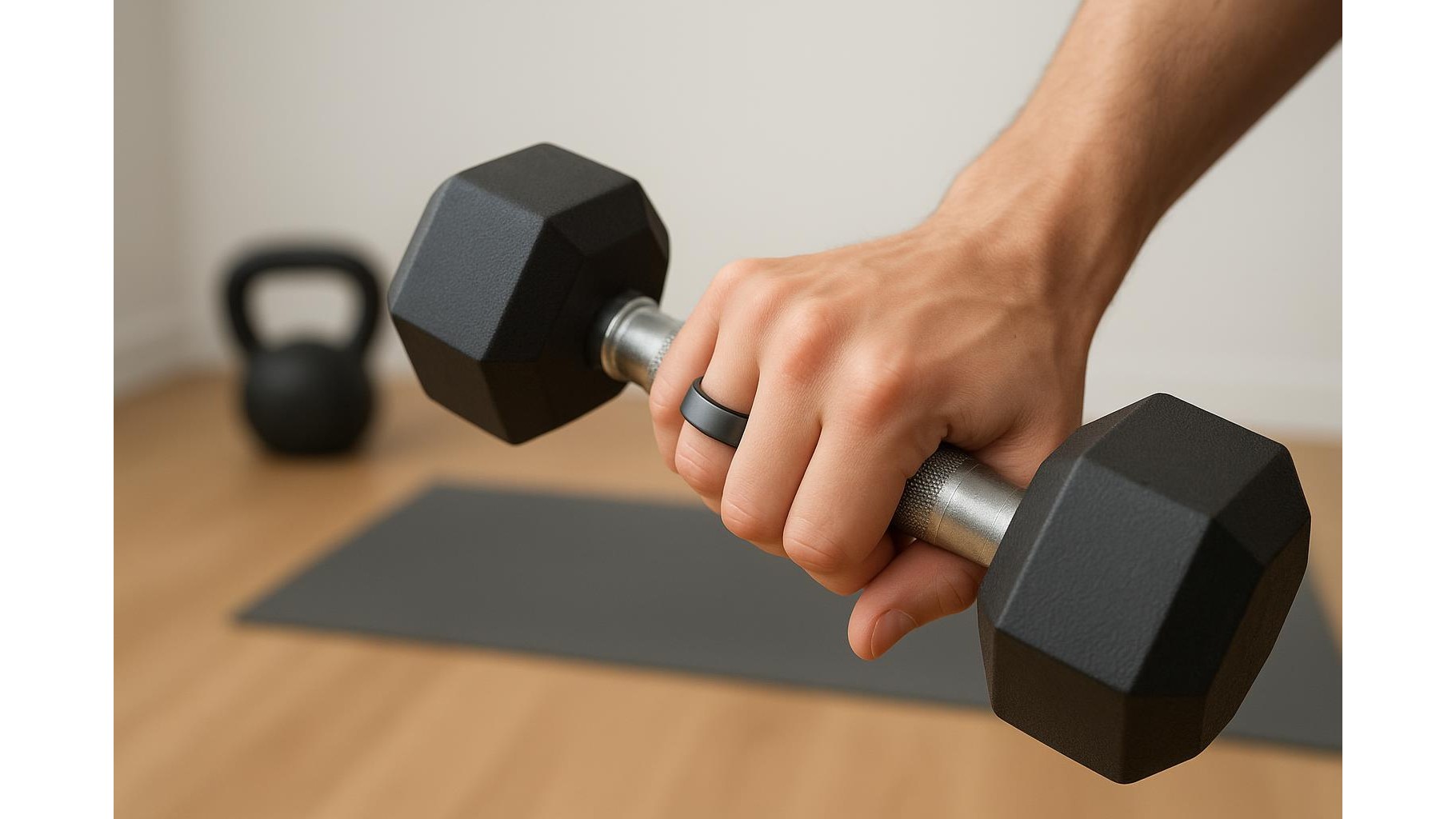
Smart rings are shrinking powerful health analytics into a tiny, always‑on wearable. For anyone training in a home gym, these devices can bridge the gap between guesswork and data‑driven planning. By tracking sleep, recovery and daily strain, a smart ring helps you decide when to push heavy strength sessions, when to focus on light cardio, and when to prioritise full rest days. Used well, it becomes the invisible coach on your finger, guiding long‑term progress instead of just today’s workout.
How smart rings track sleep, recovery and strain
Modern smart rings use sensors for heart rate, heart rate variability (HRV), skin temperature, movement and sometimes blood oxygen to build daily scores. Overnight they monitor how long you stay in deep sleep, REM and light sleep, plus how often you wake up. In the morning, many apps combine this with HRV and resting heart rate into a simple Readiness or Recovery score, alongside an Activity or Strain score based on steps, calories and elevated heart rate time. Instead of obsessing over raw data, focus on trends: are your sleep and recovery scores climbing, stable or dipping during heavy training weeks?
Turning ring metrics into a weekly home training plan
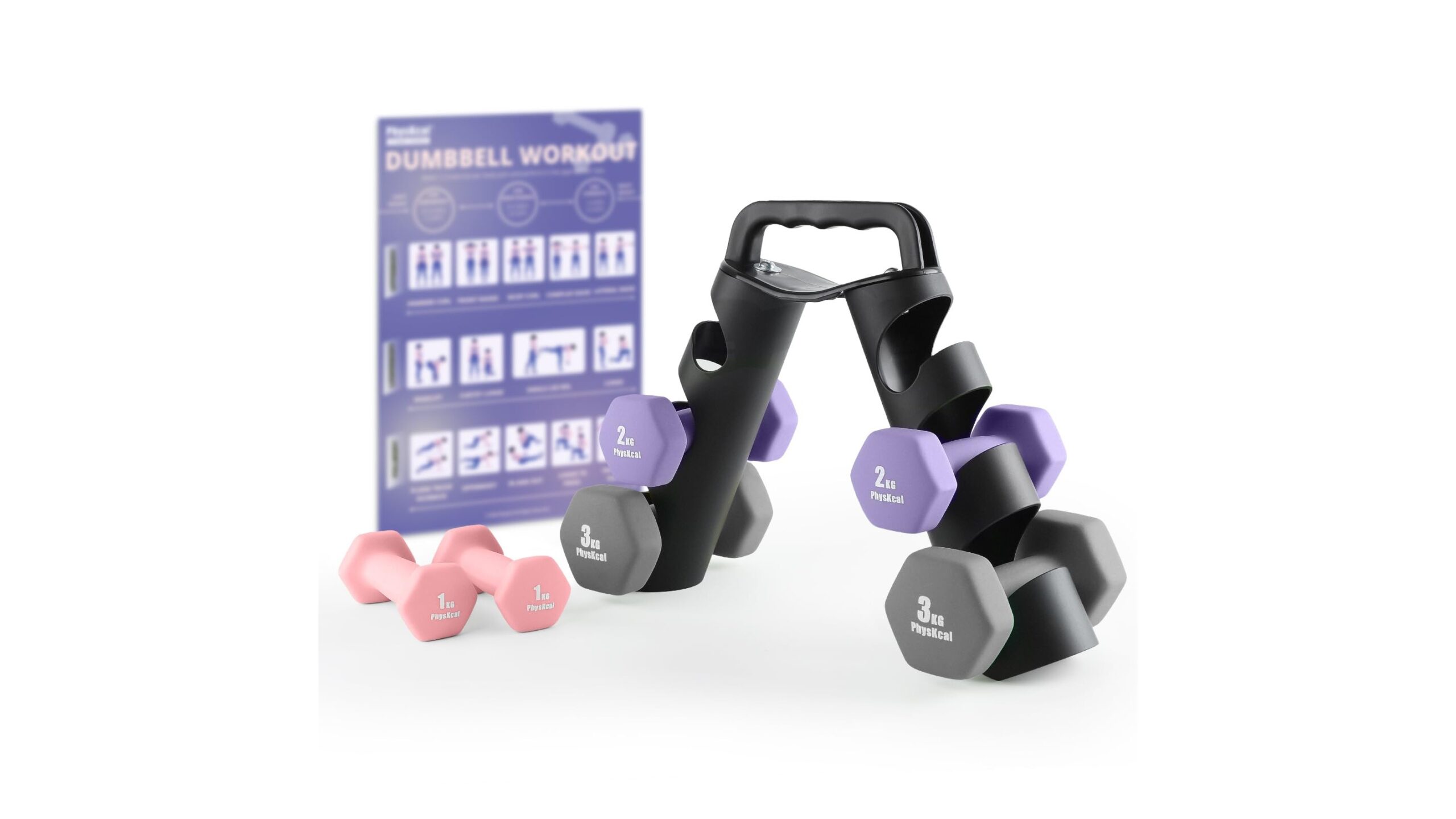
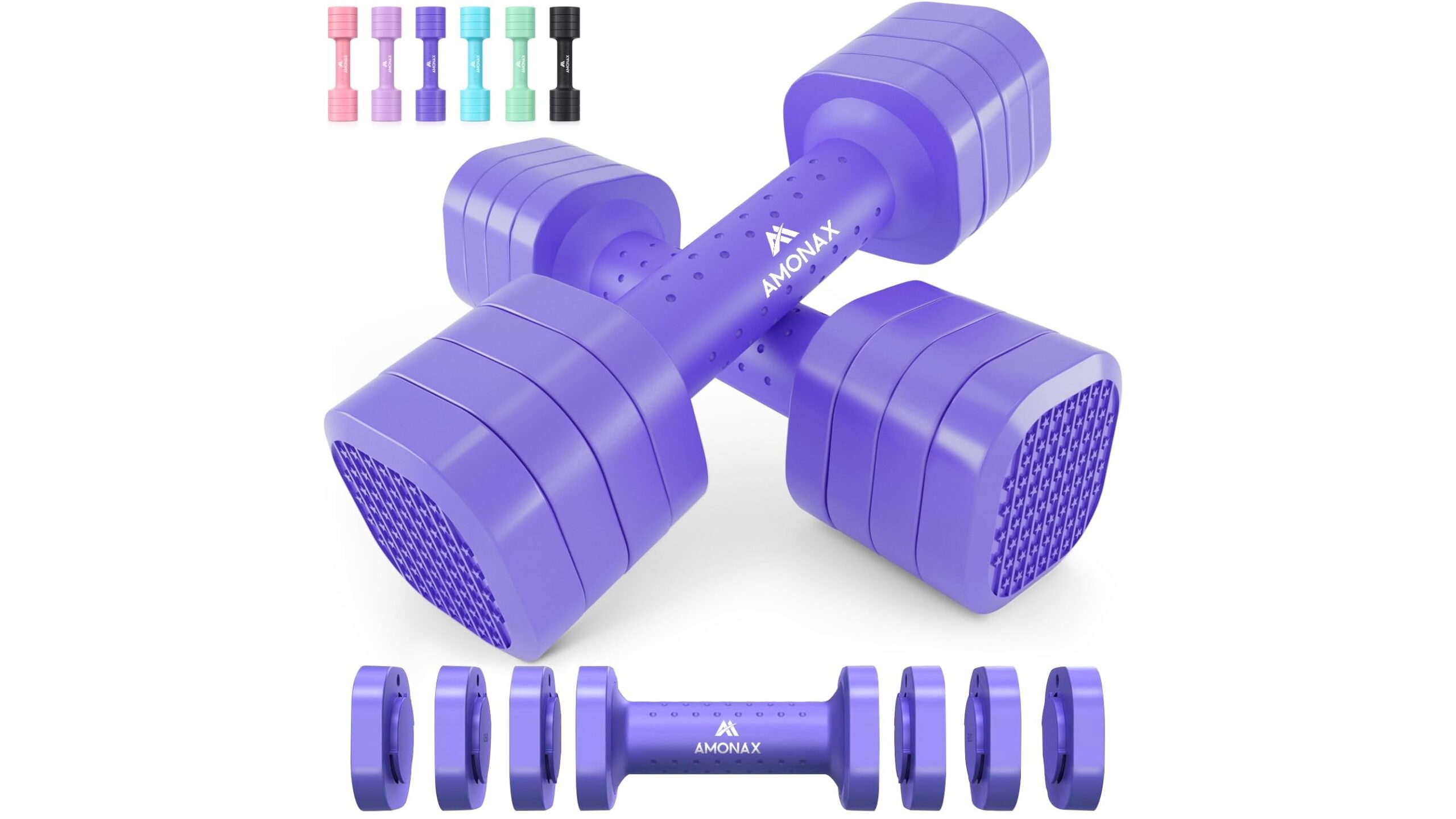
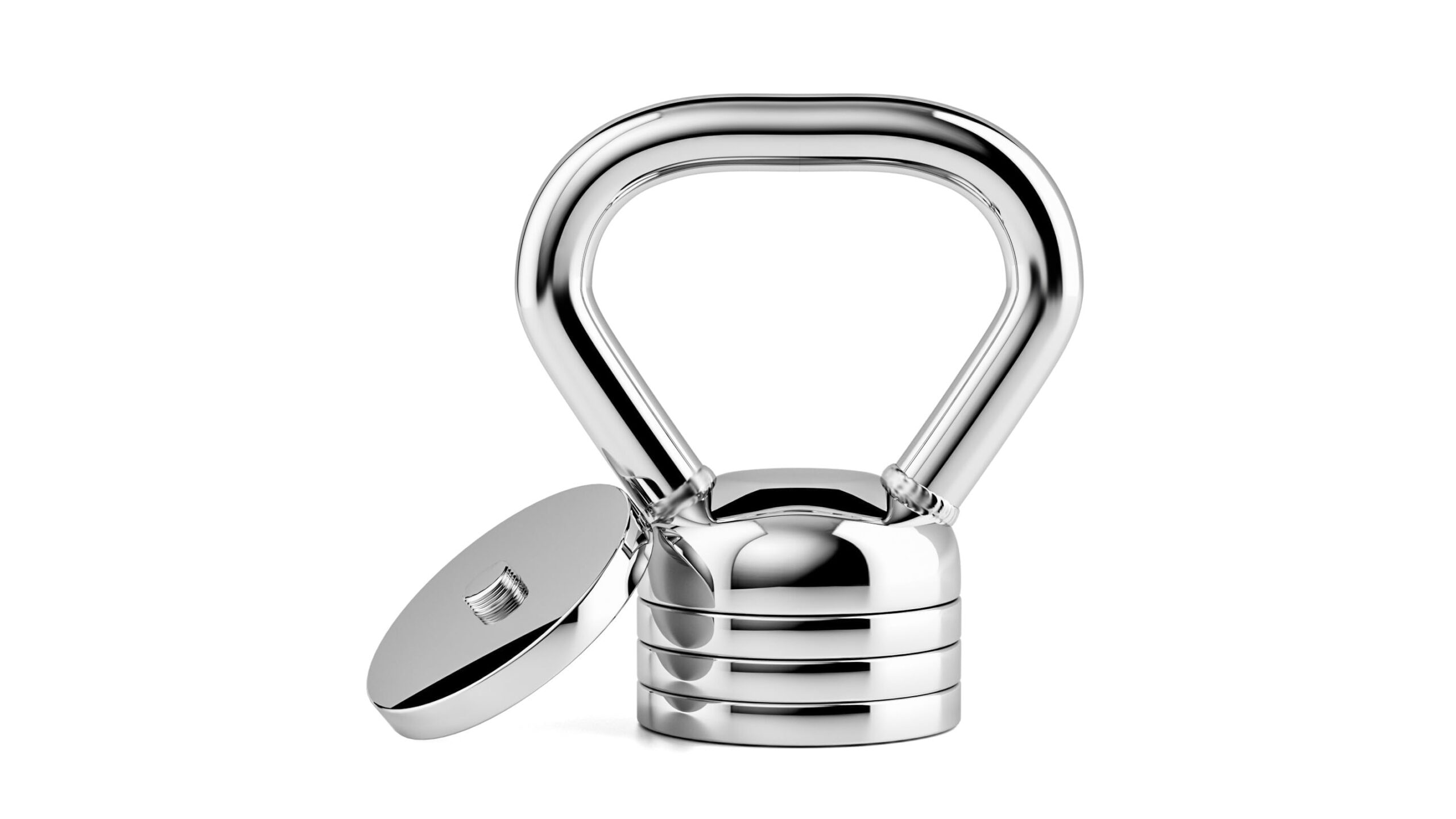
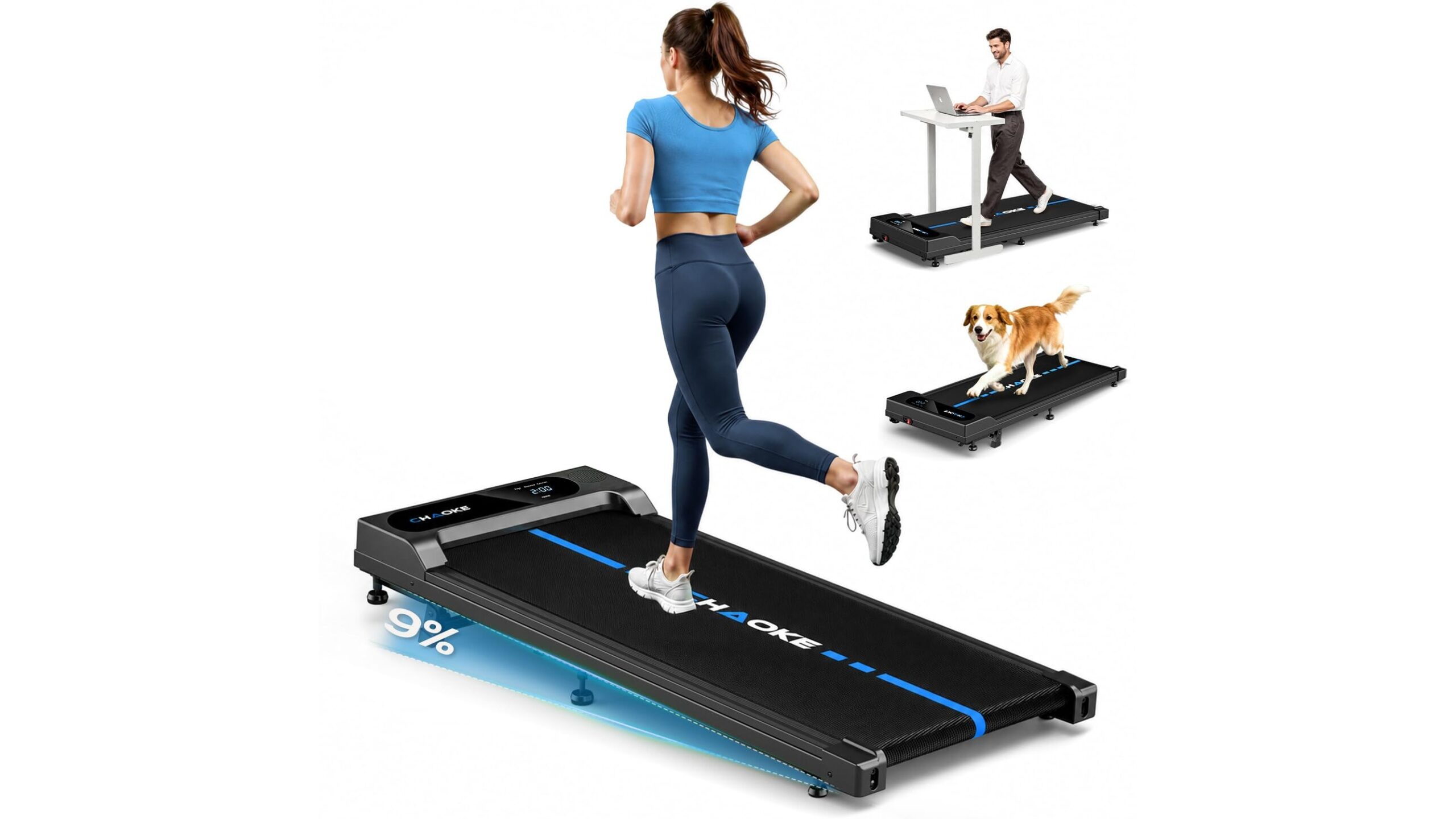
To get real value in a home training context, link your smart ring metrics to your weekly schedule. On mornings when your sleep duration is solid, HRV is near your personal best and your readiness score is high, plan demanding strength training at home: compound lifts with dumbbells, kettlebells or resistance bands. When the ring flags lower readiness, elevated resting heart rate or poor sleep, switch to lower‑impact cardio like brisk walking on a treadmill or a light indoor cycling session. If both sleep and recovery stay poor for two or three days, treat that as a cue for a genuine rest day or mobility‑only work, helping you avoid overtraining.
Using a smart ring to periodise strength sessions at home
Smart ring recovery scores are ideal for simple periodisation. On high‑readiness days, you can increase load or volume: add extra sets to your squat, deadlift or press variations, or aim for more total reps in your bodyweight exercises. On medium‑readiness days, hold steady: complete your usual sets and reps without chasing personal bests. On low‑readiness days, keep intensity modest with technique work, slow tempo movements and mobility circuits. Over weeks, this flexible approach lets your home strength plan adapt to real‑world stress, work and family demands, instead of rigidly following a fixed calendar that ignores how recovered you actually are.
Balancing cardio, steps and general activity with ring feedback
Most smart rings track daily activity via steps and heart‑rate‑based strain. Use these to set realistic movement targets that support your strength work. On days without structured training, aim to close your activity goal with light LISS cardio at home: steady cycling, walking on an incline treadmill or a low‑impact stepper. If the ring shows you are consistently below your activity target, add short 10‑minute movement snacks between meetings. Conversely, if your strain score is very high while sleep and recovery are low, temporarily reduce high‑intensity intervals and long runs in favour of easier walks and gentle cycling. This balance keeps your cardiovascular base improving without undermining muscle recovery.
Practical tips for using smart rings in your home gym routine
To make a smart ring genuinely useful for home workouts, focus on consistency. Wear it day and night for at least two weeks so it can establish your baseline for sleep and recovery. Log your strength and cardio sessions in the companion app or a separate training log, noting how you felt versus your readiness score. Avoid chasing perfection in every metric: instead, look for simple rules such as “high readiness = heavy lifting”, “medium readiness = moderate work”, “low readiness = technique, mobility or rest”. Over time, this tiny wearable helps you stay honest about fatigue, align your training with your actual recovery, and build a sustainable, effective home‑based fitness routine.
Used intelligently, a smart ring turns raw sleep and recovery data into clear decisions about strength, cardio and rest days in your home gym. It will not replace good programming or effort, but it can refine both. By listening to its trends rather than obsessing over single numbers, you learn when to push hard, when to back off and how to keep progressing throughout the year without burning out.