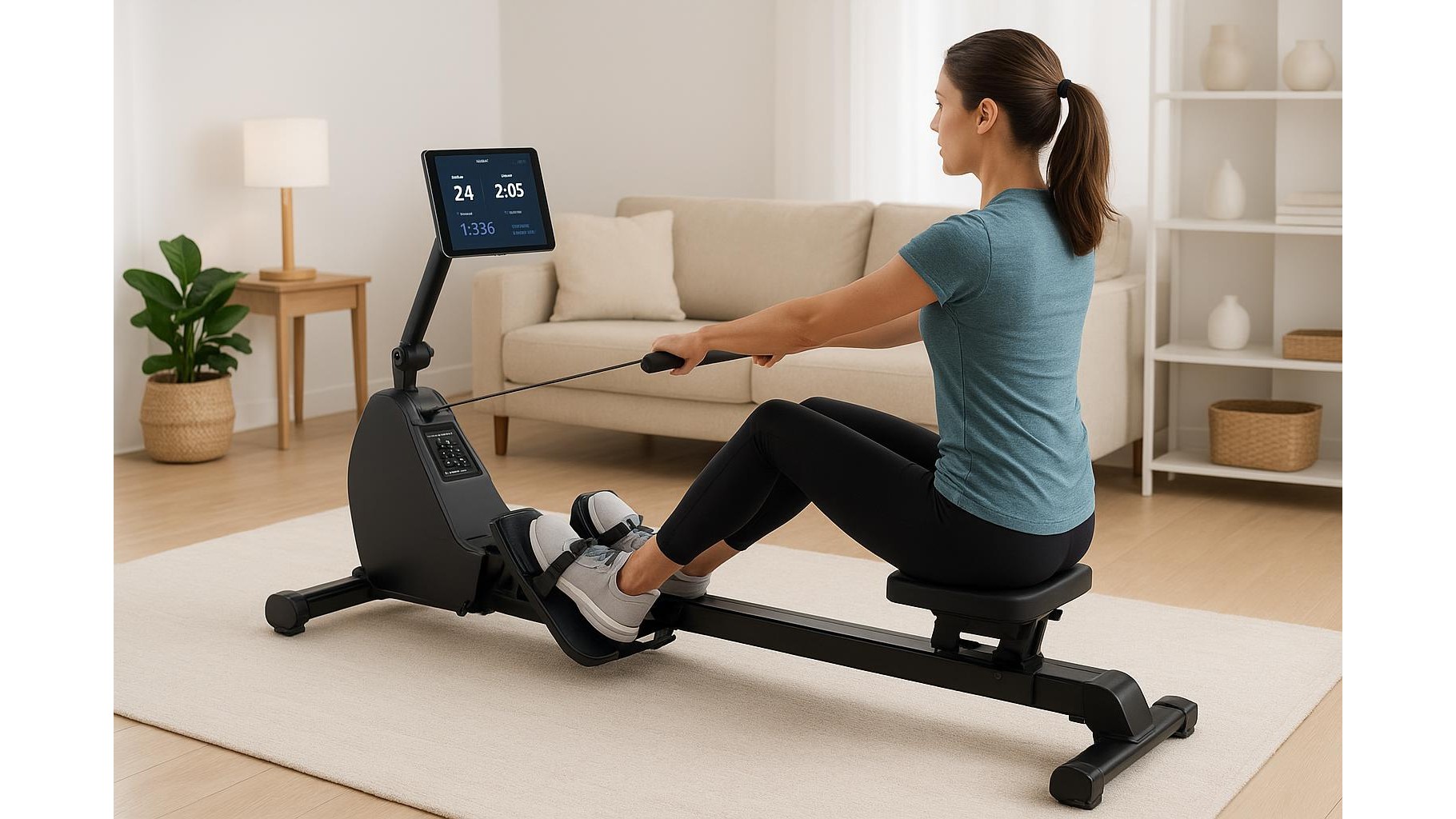
Building a compact home gym around a rowing machine is a smart move, but the market is flooded with models that prioritise huge displays over meaningful form feedback. If you train in a living room or spare room, you need a smart rower that monitors stroke length, rhythm and even basic posture, while staying quiet and easy to store. This guide explains what matters in terms of sensors, apps and noise level, and how to spot a machine that genuinely helps you row better instead of just entertaining you.
Why form feedback matters more than flashy screens
Rowing is a full‑body, low‑impact movement, but only if your technique is solid. Many compact rowers include a bright display or tablet mount yet provide almost no real feedback on how you move. Good smart systems, by contrast, track your stroke rate, split times and consistency between strokes, highlighting if you are rushing the slide or cutting strokes short. Over time, this data shows whether your rhythm is improving, if you maintain power through a session and how your stroke length compares across intervals. Instead of watching generic videos, you are using metrics that translate directly into better performance and reduced injury risk.
Key sensors and metrics to look for in a smart rower
When choosing a compact smart rower, focus on the sensor system rather than the size of the screen. Quality machines use internal sensors to measure handle travel and flywheel speed, turning them into reliable metrics like distance, pace (for example 500 m split), stroke rate and estimated power output. Look for a console or app that shows at least stroke rate, split time and total strokes per session. Some ecosystems add coaching cues, flagging if your strokes are inconsistent or if you fade too early in an interval. While full motion‑capture is still rare in compact models, even these basic sensors can highlight problems in your rhythm and encourage a smoother drive‑and‑recovery pattern, which is the foundation of good posture.
Apps, coaching and integration with your home gym setup
Most smart rowers now pair with companion apps that store your workouts, build programmes and offer coaching. In a small home gym, it is especially useful if the app runs on your own tablet or phone, so you are not locked to an oversized built‑in display. Look for integrations with platforms that support structured intervals, heart‑rate zones and progress tracking across weeks. Clear, beginner‑friendly tutorials on rowing form are valuable, but the best apps also react to your data: adjusting workout difficulty based on recent sessions or highlighting when your average stroke length drops as you fatigue. If you also use smart bikes or treadmills, check whether the rowing app can sync to your favourite fitness tracking ecosystem to keep all your training in one place.
Compact design, storage and noise for living‑room training
In a living‑room or spare‑room gym, a rower must be both compact and quiet. Pay attention to the machine’s footprint when in use and whether it can be stored vertically or folded to reclaim space once you finish a session. Magnetic and water resistance systems are usually quieter than pure air rowers, which is crucial if you share walls or train late at night. Check user reports on noise level from the seat rail and chain, not just the resistance system, because squeaks and rattles can be as distracting as fan noise. A stable frame with a solid rail feels smoother, encourages better posture and makes it easier to focus on your stroke rhythm instead of fighting wobble or vibration in every pull.
How to match a smart rower to your training goals
Before buying, define your primary training goals. If you want low‑impact cardio and weight management, prioritise a rower with intuitive interval programmes, clear pace feedback and quiet operation over advanced racing features. If performance is your focus, invest in more detailed metrics, robust resistance levels and apps that support progressive plans. For shared households, multiple user profiles and quick resistance adjustments are invaluable. Make sure the handle, footrests and seat suit your body size, since comfort strongly affects your ability to maintain sound technique. When a compact smart rower fits your space, offers meaningful form feedback and connects seamlessly to your preferred apps, it becomes a powerful centrepiece for an efficient home gym routine.
In summary, the best compact smart rowers for home are not the ones with the biggest screens, but those that combine reliable sensors, thoughtful apps and a quiet, space‑saving design. Focus on how effectively a machine tracks your stroke length, rhythm and overall experience from warm‑up to cooldown, rather than on entertainment features alone. Taking the time to match metrics, noise level and storage options to your living room or spare‑room setup ensures that your rower supports consistent, technically sound training that you will actually stick with.