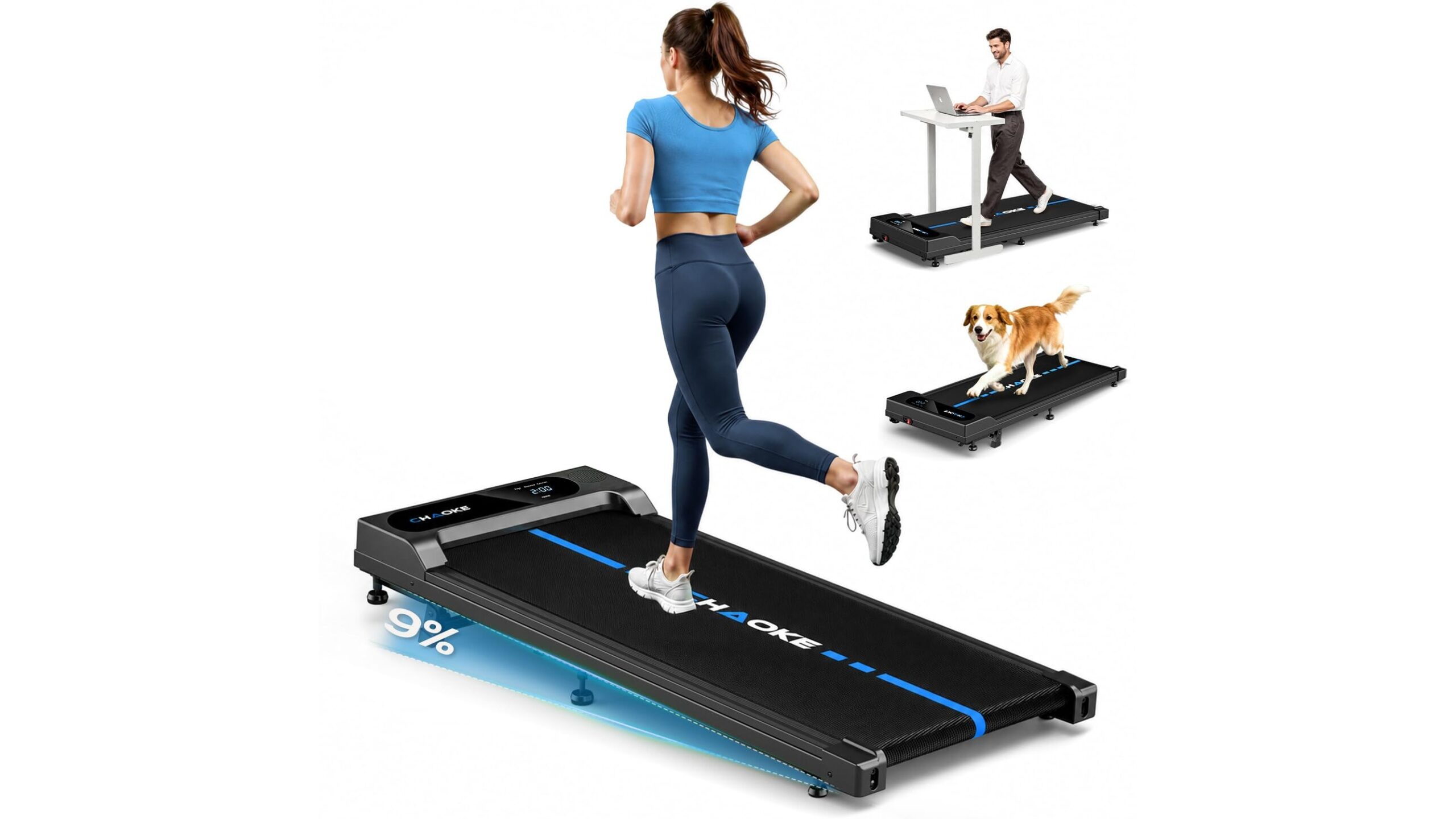
Logging regular miles on your home treadmill or walking pad is fantastic for cardiovascular health, but it can leave your calves, shins and feet feeling tight, hot and heavy. A simple, gentle post-cardio recovery routine can ease soreness, reduce swelling and help you bounce back faster for your next session. Below you’ll find an easy sequence of stretches, self-massage and elevation drills that you can do in 10–15 minutes with minimal equipment.
Easy cooldown: from treadmill to floor
Before dropping straight onto the sofa, take 3–5 minutes to cool down properly. Reduce the speed on your home treadmill or walking pad to a very easy walk and let your heart rate come down gradually. Once you step off, stand tall and perform slow standing calf stretches: place one foot behind you, heel on the floor, and gently lean forward until you feel a stretch in the calf. Hold for 20–30 seconds per side, breathing deeply. Follow with a simple standing quad stretch, holding your ankle behind you and keeping your knees close together. This brief transition from cardio to stillness helps clear metabolic by-products from the working muscles and sets up the rest of your recovery work.
Floor stretches for calves, shins and ankles
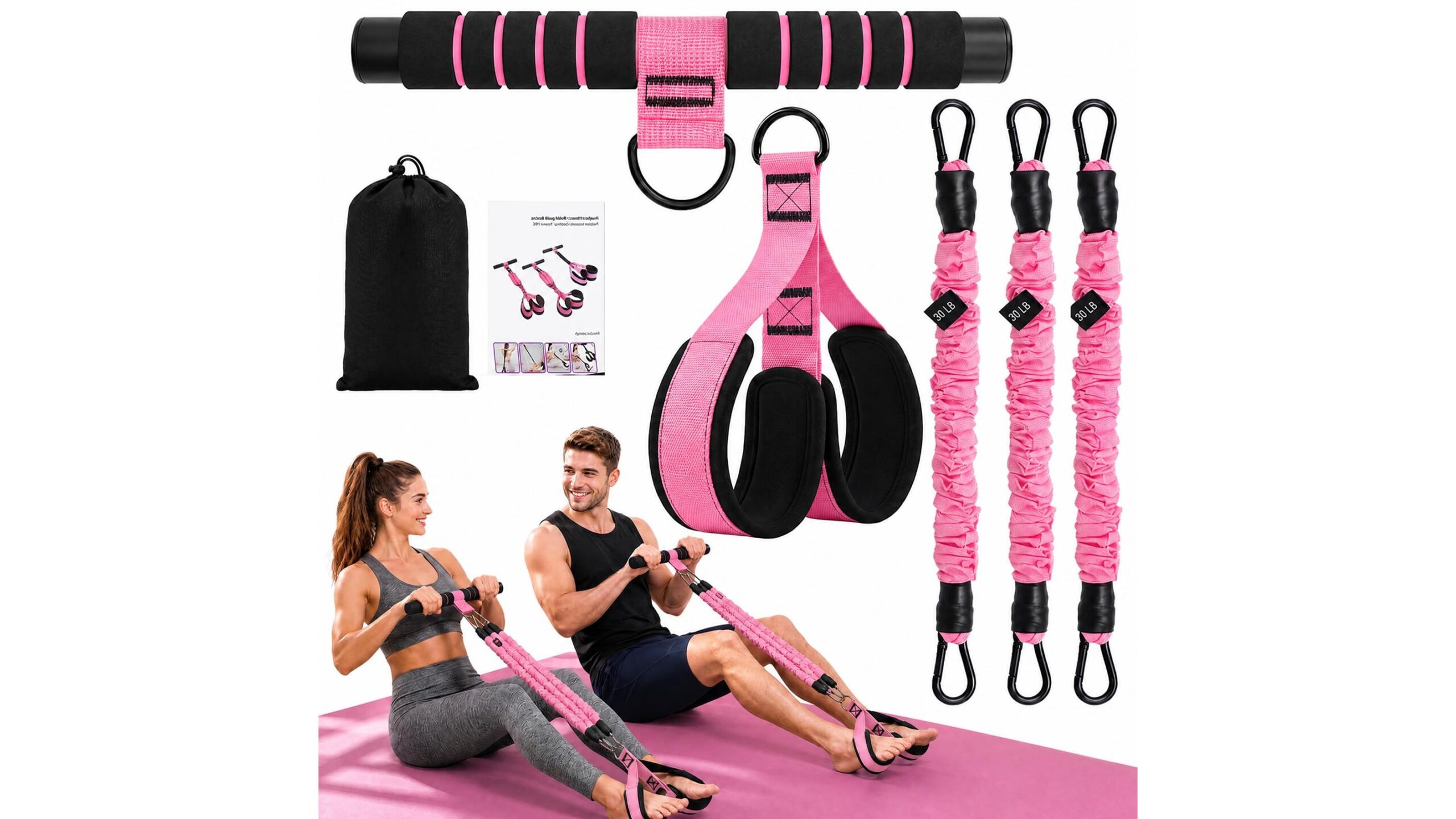
Move to a mat or carpeted area for targeted lower-leg mobility. Sit with your legs extended and loop a towel or resistance band around the ball of one foot. Gently pull the toes towards you to stretch the calf and plantar fascia; hold 20–30 seconds, then switch sides. Next, sit cross-legged and perform slow ankle circles in both directions, 10–15 reps per side, to lubricate the joints after repetitive treadmill motion. To relieve tight shins, kneel with your toes pointed behind you and gently sit back towards your heels, only as far as is comfortable, to create a mild stretch along the front of the lower leg. Keep the intensity low and focus on smooth breathing so the nervous system recognises this as relaxation, not more work.
DIY foot massage with a ball or frozen bottle
Your feet absorb thousands of impacts on a walking pad or treadmill, so they deserve extra attention. A simple self-massage tool can work wonders: if you don’t have a dedicated foot roller, use a tennis ball or frozen water bottle. From a seated position, place the ball or bottle under your arch and slowly roll from heel to toes, exploring the inner and outer edges of the foot. Spend 1–2 minutes per foot, adjusting pressure so it feels relieving, not painful. This kind of myofascial release can reduce tension in the plantar fascia and improve circulation. Finish by gently massaging each toe between your fingers and stretching them apart to undo the cramped position they hold inside shoes while you walk or run.
Leg elevation to reduce swelling and heaviness
After walking or running in place, blood and fluid can pool in the lower legs, leading to that familiar heavy-leg sensation. A few minutes of leg elevation can help. Lie on your back near a wall or sofa and place your calves or heels up so they’re above heart level. Relax your arms by your sides, close your eyes and breathe slowly for 5–10 minutes. You can gently point and flex your feet or perform light ankle circles while elevated to encourage venous return. This simple step supports recovery circulation, reduces mild swelling and leaves your legs feeling lighter without any fancy equipment or complicated protocols.
Post-session habits that support recovery
Beyond stretching and self-massage, a few small lifestyle habits can make a big difference to post-cardio leg and foot recovery. Hydrate within 30 minutes of stepping off the treadmill to replace fluids lost through sweat; include some electrolytes if your session was particularly long or intense. Change out of damp socks and shoes to keep your feet dry and comfortable, reducing irritation and blisters. If your calves tend to cramp, check that your treadmill footwear offers enough cushioning and that your walking pad isn’t set to an exaggerated incline for too long. Finally, try to schedule at least one easy or rest day each week so your muscles, tendons and joints can adapt positively to your growing home cardio routine.
By adding this short, equipment-light recovery routine after your home treadmill or walking pad workouts, you can ease tight calves, shins and feet while supporting long-term consistency. A few minutes of stretching, self-massage and leg elevation will help you step away from each session feeling looser, lighter and more prepared for the next time you press start.