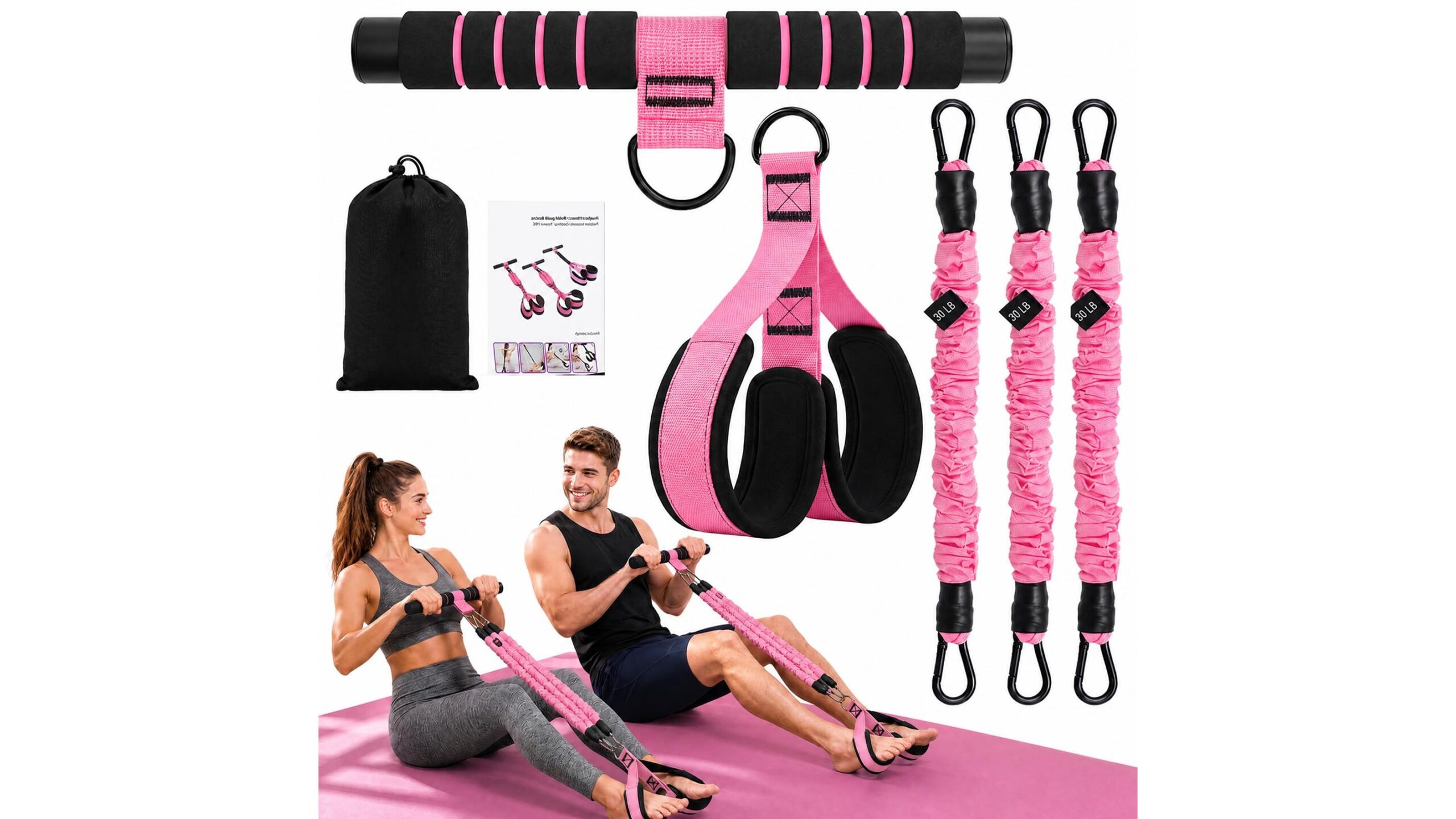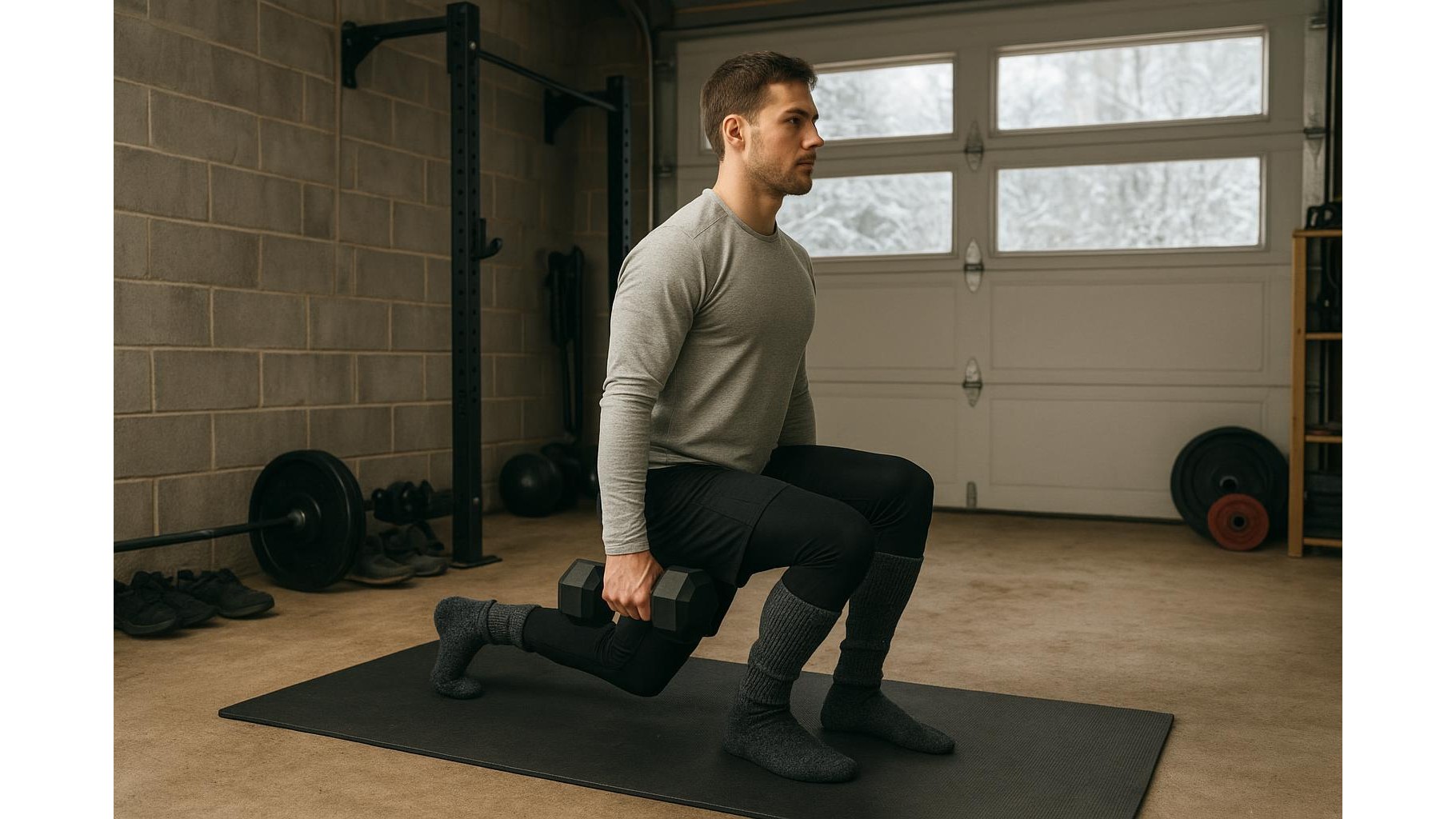
Training in a cold garage or basement gym can be mentally tough, but nothing kills motivation faster than cold feet. When your toes go numb, you cut sets, rush rest periods and end up skipping the finisher you planned. The good news: with the right combination of technical socks, leg warmers and ankle-length layers, you can stay warm and stable on the mat without feeling bulky or overheating through your workout.
Why cold feet ruin home workouts
At home, you often train on concrete or tile, which pulls heat away from your body fast. Blood flow naturally prioritises your core, so your extremities cool first. That means feet and ankles become stiff, reducing your ankle mobility for squats, lunges and deadlifts. You might also feel less stable during single-leg work or cardio intervals. Instead of turning up the heating for the whole room, it’s smarter to build a layering system around your feet and lower legs that traps warmth, supports circulation and still grips the floor or mat properly.
Choosing warm, technical socks for grip and circulation
The base of your system is a pair of technical training socks. Look for medium-thick models in merino wool blends or performance synthetics that insulate when it’s cold but wick moisture once you start sweating. Target features like arch compression and light cushioning under the heel and forefoot to keep blood moving without squeezing too hard. Non-slip or grip patterns on the soles are ideal for home gyms where you move between rubber mats and hard floors. Avoid ultra-fluffy lounge socks: they slide on mats and bunch inside trainers, increasing the risk of blisters and instability during strength or cardio circuits.
Leg warmers that don’t ride up or roll down
Next, add leg warmers over your socks to protect shins and calves, especially if you train in shorts. Modern leg warmers designed for yoga, barre or dance are much more technical than the classic 80s style. Prioritise a snug but stretchy fit that stays in place as you squat and hinge, with ribbed cuffs that grip without digging in. Fabrics like acrylic blends or brushed synthetics trap a warm air layer without feeling heavy. For barbell or kettlebell work, leg warmers also add a bit of friction and protection on the shins, making deadlifts and swings more comfortable in a cold space.
Ankle-length base layers that balance warmth and mobility
If your entire lower body feels chilled, add ankle-length base layer tights under your usual training shorts or joggers. The key is a slim, second-skin fit made from moisture-wicking materials such as polyester–elastane blends or lightweight thermal fabrics. These keep your knees, calves and ankles warm without adding bulk at the hips or behind the knees, so your movement stays free for strength sessions, cycling or treadmill runs. Choose models with flatlock seams to avoid chafing and a smooth ankle cuff that fits comfortably inside your socks or sits just above them to avoid pressure points in your shoes.
Layering smart: how to avoid overheating
The ideal home gym outfit for cold feet warms the lower legs first without turning your upper body into a sauna. Start your session wearing technical socks, leg warmers and ankle-length tights, then a normal training top or hoodie. As you move from warm-up to your main sets, pay attention to your temperature: if your torso feels hot but your feet are finally comfortable, peel off upper layers while keeping everything below the knee covered. This way, you maintain circulation to the feet and protect joints in a cold room, but you don’t get drenched in sweat and tempted to quit early.
Putting it all together for consistent winter training
Cold feet don’t have to dictate how long or how hard you train at home. Build a repeatable system: start with supportive, warm socks, add secure leg warmers, and, when needed, pull on ankle-length base layers that lock in warmth without bulk. This small investment in your outfit keeps your joints comfortable, improves stability on the mat and removes one more excuse to skip winter sessions. With the right layers around your feet and lower legs, your garage or basement gym becomes a place where you can focus fully on getting stronger, not on how frozen your toes feel.