Creating a clutter‑free home gym in a tight space means getting your storage right. A compact vertical barbell and plate rack keeps your weight plates and bars safely off the floor, reduces trip hazards and makes training faster and more enjoyable. In this guide we look at how to choose a slim rack that fits in a corner, stays stable under load, works with your type of plates and leaves enough room to load and unload without fighting for space.
Measure your space and define your storage needs
Before you fall in love with any rack, grab a tape measure. Note the floor footprint you can spare (width and depth) and your ceiling height if you plan to store barbells vertically. A good compact rack should fit in a corner or beside a squat rack while still allowing you to walk around it. List what you need to store: number and type of weight plates, how many barbells (Olympic, standard, curl bars) and any extras like collars. This will determine whether you need a simple plate tree, a vertical barbell holder, or a combination rack. Leave at least a barbell’s length of clear space for tilting bars into vertical holders and enough room in front of the rack to slide plates on and off without twisting awkwardly.
Stability, footprint and load capacity
With compact storage, stability is non‑negotiable. Look for a rack with a wide, well‑braced base so it does not rock when you load heavier plates on one side. A triangular or T‑shaped base often gives a good balance between small footprint and rigidity. Check the stated maximum load capacity and compare it to your current plates plus any future upgrades; aim for a safety margin of at least 25–30%. Heavier‑gauge steel and reinforced joints are worth paying for if you plan to lift heavy. Anti‑slip rubber feet protect your floor and help prevent movement, especially on smooth garage tiles or laminate. If your training area is very tight, prioritise a design where the plate horns are staggered vertically, so you can store more weight without the base becoming huge.
Compatibility with Olympic vs standard plates and barbells
One of the most important checks is plate and bar compatibility. Olympic plates and barbells use 2‑inch (50 mm) sleeves, while standard plates use 1‑inch (25 mm). Choose a rack whose storage pegs and barbell holders match what you own; if you mix standards, a rack with both 1‑inch and 2‑inch posts or removable adaptors can be a smart choice. Make sure the inner spacing between posts allows your largest plates to sit flat without rubbing against each other or nearby walls. For barbells, vertical holders should be lined or smoothed where the shaft contacts metal to avoid scratching. If you own specialty bars, such as a trap bar or safety squat bar, check their length and shape to see whether they can stand vertically or need a horizontal solution elsewhere.
Coating, finish and long‑term durability
In a home gym, racks often live in garages, basements or sheds where humidity and dust are common. A quality powder‑coat finish resists chips and rust better than basic paint, which is crucial if you slide plates on and off daily. Look for racks with smooth, slightly textured coating: too rough and it will chew up plate centres; too slick and plates may rattle. Weld quality and bolt size also matter – solid welds and thick hardware reduce wobble. If you train on rubber flooring, consider whether the rack’s feet spread the load enough to avoid dents. Some models include plastic or rubber sleeves on the storage posts to protect plate holes and reduce noise, a small detail that makes a big difference when lifting early in the morning in an apartment.
Planning an ergonomic, fast‑loading layout
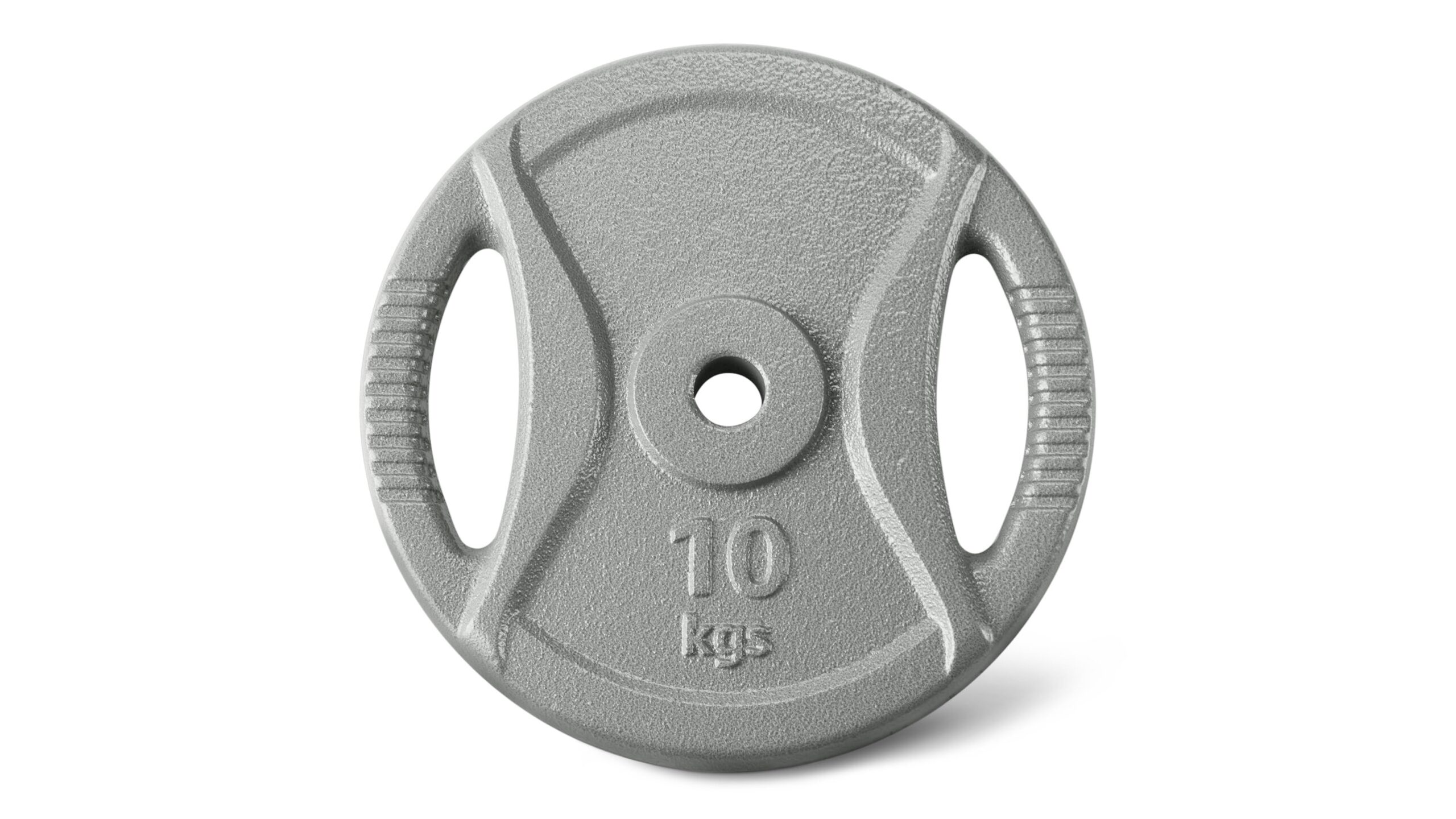
Even the best compact rack becomes annoying if the layout makes loading and unloading plates awkward. Arrange heavier plates on the lowest storage horns so you don’t have to lift them too high, and keep your most commonly used pairs (for example 10 kg and 5 kg) at roughly hip height. Position the rack close enough to your main lifting station that you can move plates with one or two steps, but not so close that it blocks your bar path or safety arms. If your rack includes barbell storage, place it where you can tilt bars into the holders without hitting the ceiling or lights. In very tiny corners, a dedicated vertical bar stand next to a separate plate tree can be more ergonomic than an all‑in‑one unit, because you can angle each piece for smoother traffic flow.
Safety, assembly and keeping your home gym clutter‑free
To keep your home gym safe and organised, follow the assembly instructions carefully and tighten all bolts after a few training sessions as the rack settles. Always store plates evenly to avoid tipping and teach everyone using the space to return weights to their designated pegs. If you have children at home, choose a rack with a low, stable base and avoid stacking plates so high they could fall. Periodically wipe down the rack and check for rust spots, especially in damp environments. With a well‑chosen compact vertical barbell and plate rack, even the smallest corner can become a clean, efficient training zone where every weight has its place and the floor stays clear for lifting.
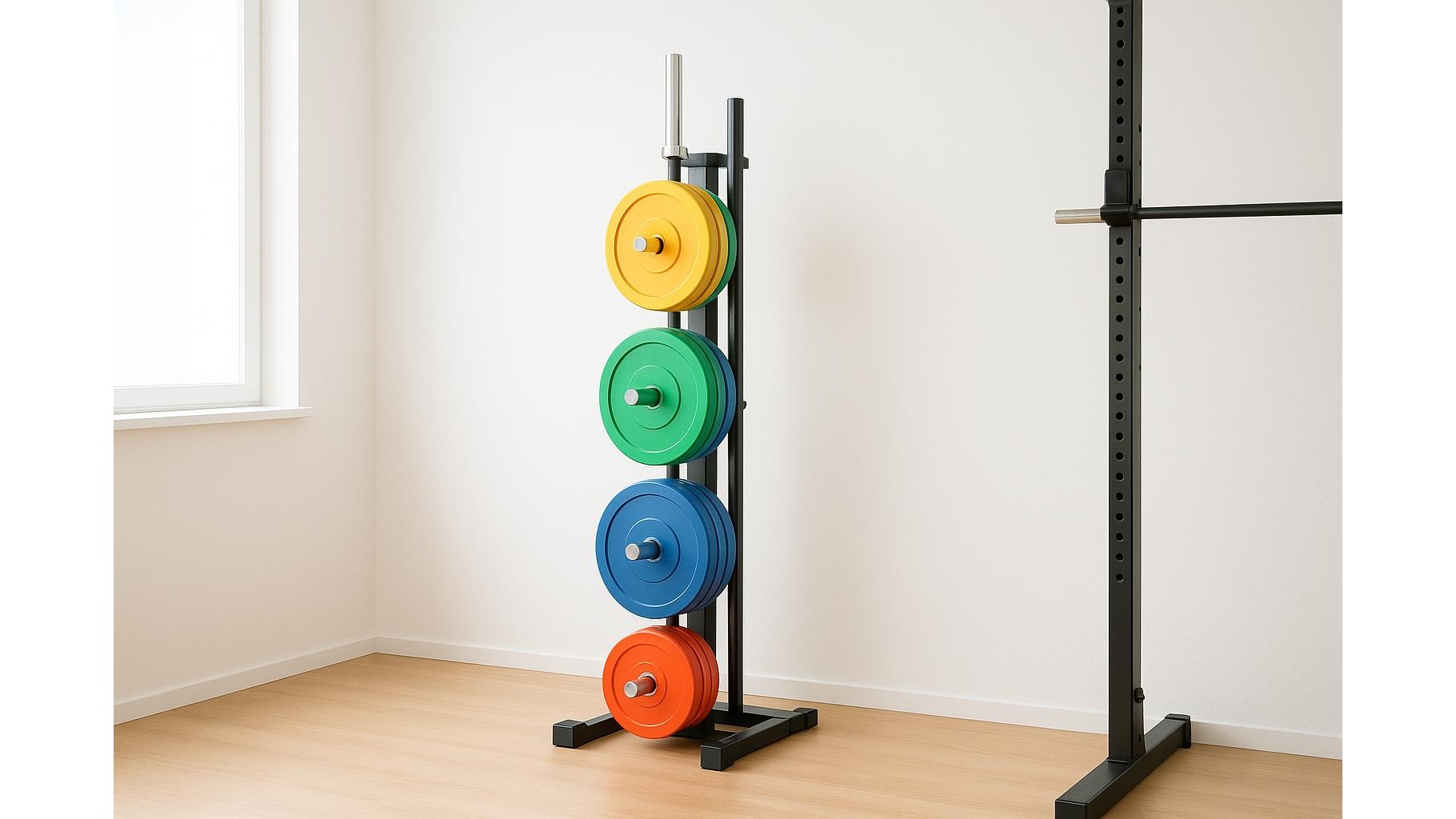
A suggested header image could show a slim vertical barbell and plate rack neatly loaded in the corner of a small home gym, with a barbell on a rack nearby and the floor completely free of loose weights.