Building a low‑impact home cardio corner often comes down to a key choice: rowing machine vs air walker. Both promise gentle work on the joints, relatively low noise and solid calorie burn, but they behave very differently in a living room, spare bedroom or garage gym. This guide compares footprint, joint stress, muscle activation and user profiles, using two popular examples from Amazon UK to help you decide what actually fits your space, your body and your goals.
Footprint and storage in a real home
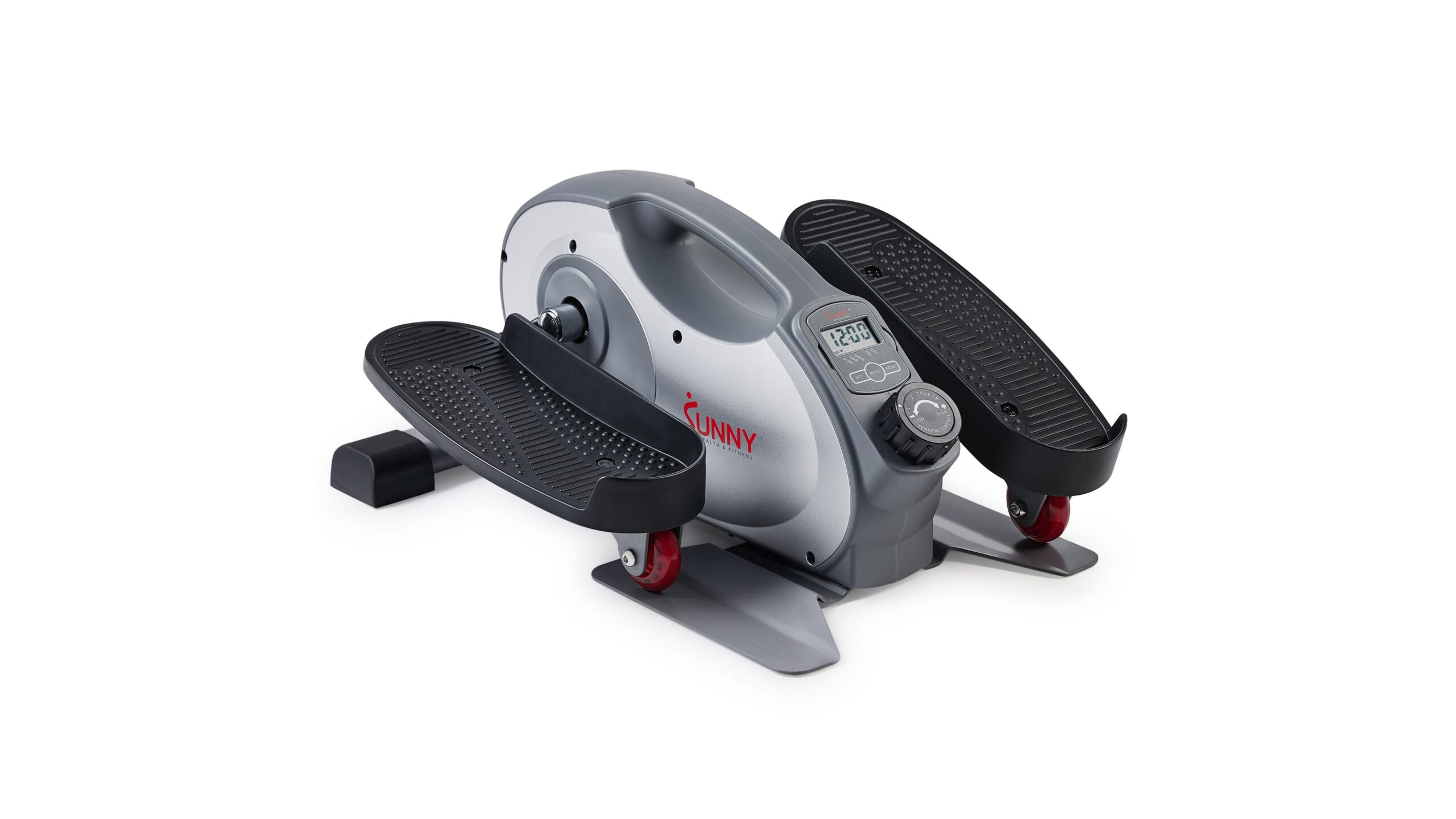
If you live in a flat or share your space, how easily a machine stows away is critical. A compact rower like the foldable magnetic rowing machine for home use typically has a longer footprint when in use, but many models fold vertically, turning into a small tower you can park against a wall. This makes them ideal for narrow rooms or along the side of a sofa. Air walkers, on the other hand, usually have a shorter but wider stance, similar to a slim cross trainer. They fold nearly flat, but the frame still takes up a rectangle of floor space when stored. If you have a long, thin area (hallway, office, garage), a rower often fits better; if you have a squarer space like a bedroom corner, an air walker can slide beside a wardrobe or under a window.
Impact on joints and comfort for sensitive knees
Both machines are marketed as low‑impact cardio, but they stress your joints in different ways. A rowing machine delivers a smooth, horizontal motion: your feet stay strapped to the footplates, your knees bend and extend, and your hips hinge as you slide. For many people with sore ankles or those avoiding pounding from running, this feels extremely joint‑friendly. However, those with existing lower‑back issues must pay close attention to technique, keeping a neutral spine and driving with the legs rather than yanking with the back. An air walker keeps you upright; your feet stay on the pedals while your legs swing in a gentle arc. This can be kinder on the lower back and knees because there is no deep compression at the bottom of the stroke, and the hips move more freely. If descending stairs and deep squats bother your knees, the gliding motion of an air walker may feel more comfortable.
Muscle activation and training effect
A key advantage of a rower is that it is a true full‑body workout. Each stroke drives through the quads and glutes, then transfers power through the core to the upper back and arms. Over a 20–30 minute session, this trains both cardiovascular fitness and pulling strength, particularly in the lats and rear shoulders. It also encourages good posture when done correctly. An air walker emphasizes lower‑body endurance and light upper‑body involvement via the moving handles. You will feel it mainly in the glutes and hamstrings as you lengthen the stride, with the arms providing balance and a mild push‑pull. The resistance is usually fixed or very light, making it better for steady‑state cardio and long, easy sessions than for hard intervals or strength‑oriented conditioning.
Noise, neighbours and daily usability
In a flat or shared house, noise level is a major factor. A modern magnetic rowing machine, like many found on quiet home rowers on Amazon, is one of the most whisper‑quiet cardio machines you can buy: the main sound is the seat rolling on the rail and a soft whoosh as the flywheel turns. This makes it suitable for early‑morning or late‑night workouts without disturbing neighbours. Air walkers are also generally quiet, with no loud impact noise, though cheap models can squeak if not lubricated regularly. Day to day, a rower invites structured workouts—intervals, distance goals, time trials—while an air walker excels as a “background” cardio option you can use while watching TV or during low‑intensity recovery days.
Who should choose a rower and who suits an air walker
If your primary goals are efficient calorie burn, full‑body conditioning and measurable progress, a rowing machine is usually the better long‑term investment. It suits trainees who enjoy athletic feeling workouts, circuit training and tracking watts, distance or split times. It also pairs well with other home gym equipment like dumbbells or resistance bands for combined strength and cardio sessions. An air walker is ideal for beginners, older users, or anyone coming back from impact‑related injuries who wants extremely gentle, joint‑friendly movement. It is also appealing if you prefer low‑effort setup—no need to learn complex technique, just step on and glide. Ultimately, if you crave structured training and full‑body engagement, lean toward a rower; if you want simple, forgiving, low‑impact cardio that feels more like brisk walking in the air, an air walker will likely keep you moving consistently.
In summary, both rowers and air walkers can deliver low‑impact, low‑noise cardio at home, but they shine for different people and spaces. The rower offers a compact, stowable footprint with powerful full‑body training and clear progress markers, at the cost of a steeper learning curve and more focus on technique. The air walker offers upright, easy‑to‑learn motion that is especially kind to knees and hips, perfect for long, gentle sessions, but with less upper‑body strength benefit. Match the machine to your room layout, joint history and motivation style, and you will end up with a home cardio setup you actually use week after week.