For small home gyms, choosing the right cardio machine is a balancing act between space, versatility and joint-friendliness. Compact dual‑action cardio machines – the hybrid designs that combine cycling with a moving upper body – promise more calories burned in less time, without dedicating half your room to fitness equipment. In this article we look at when these bike-elliptical hybrids actually make sense, who they suit, which features to prioritise, and how to integrate them into a smart home training routine.
What are compact dual‑action cardio machines?
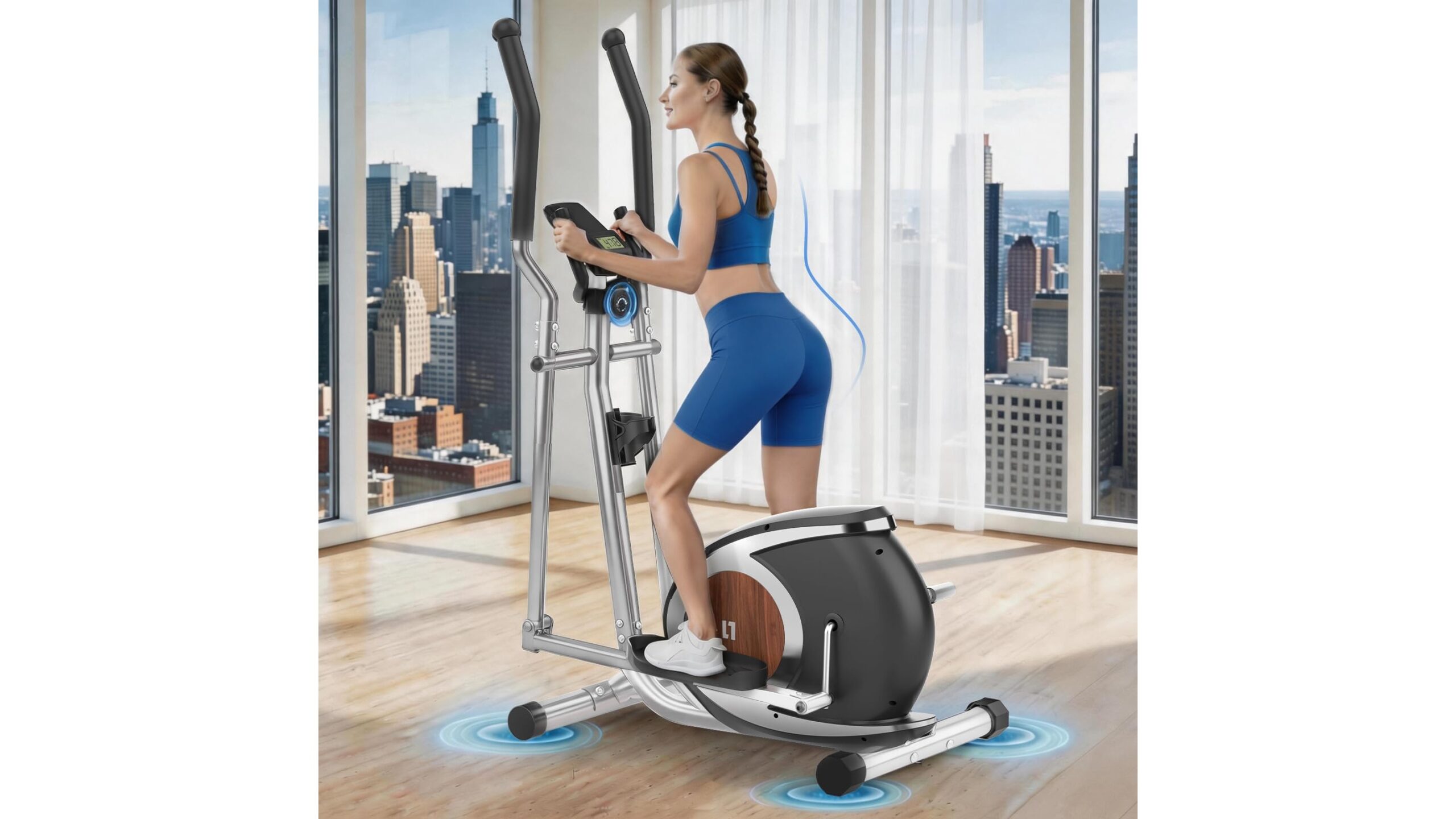
Compact dual‑action machines blend a seated exercise bike or upright air bike position with moving handles that train the arms, shoulders and upper back. Compared to a traditional stationary bike, you are pushing and pulling with the upper body while pedalling, which raises total energy expenditure and keeps heart rate up even at moderate resistance. Unlike full‑size elliptical trainers, these hybrids usually have a smaller footprint, lower step‑up height and simpler mechanics, making them attractive for flats, spare rooms and shared living spaces where every centimetre matters. They are particularly useful when you need low‑impact conditioning that is still intense enough for weight management and improved cardiovascular health.
Who actually benefits from bike‑elliptical hybrids?
Compact dual‑action cardio machines make the most sense for three main groups. First, time‑poor users who want full‑body conditioning in short, intense sessions: using arms and legs together boosts calorie burn without extending workout duration. Second, people with sensitive knees or backs who struggle with running or step machines; the seated, low‑impact motion can be much friendlier to joints while still elevating heart rate. Third, strength‑training enthusiasts who just need a small, reliable tool for warm‑ups, interval training and active recovery between lifting sessions. On the other hand, if your main goal is long, meditative endurance rides or very precise road‑cycling simulation, a dedicated indoor bike will usually feel smoother and more natural.
Key features to look for in a small home gym
When comparing compact dual‑action cardio options, start with footprint and storage: measure the available space and allow clearance for the moving arms. Look for a stable base and adjustable levelling feet to cope with uneven floors. Next, consider the resistance system. Magnetic resistance is typically quieter and better for shared spaces, while fan‑based or friction resistance can feel more intense but noisier. Adjustable seat height and fore‑aft position are crucial for proper joint alignment and comfort, especially if multiple household members will use the machine. A clear console with time, distance, estimated calories and heart‑rate compatibility helps you structure training. If you plan on interval sessions, quick‑change resistance controls are a big plus. Finally, pay attention to the quality of the moving handles: they should have a comfortable grip and a range of motion that feels natural, not jerky.
Programming effective workouts on a dual‑action machine
To get real value from a compact dual‑action machine, think in terms of structured workouts rather than casual pedalling. For general fitness and weight management, aim for 3–4 sessions per week of 20–30 minutes, using a moderate, sustainable pace where you can still talk in short sentences. For interval training in a small home gym, try 10 minutes of easy warm‑up followed by 5–8 rounds of 30–45 seconds hard effort using both arms and legs, then 60–90 seconds of easy pedalling, finishing with a cool‑down. Strength‑focused users can use 5–10‑minute bouts as warm‑ups before lifting, emphasising smooth, controlled motion rather than speed. Varying grip positions on the handles and occasionally letting the legs or arms take more of the load can prevent overuse and keep the sessions engaging.
Integrating a dual‑action machine into a minimalist home gym
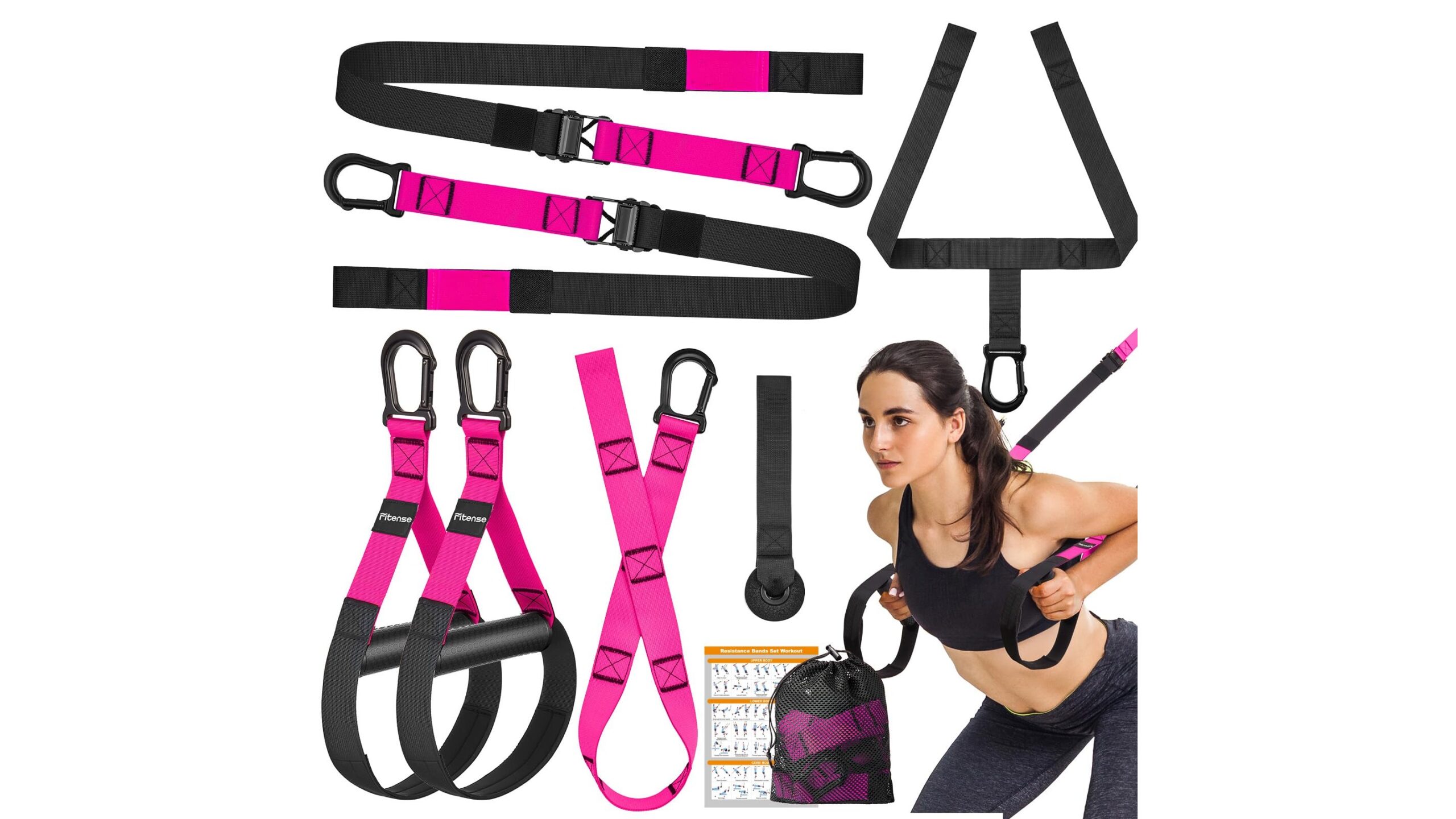
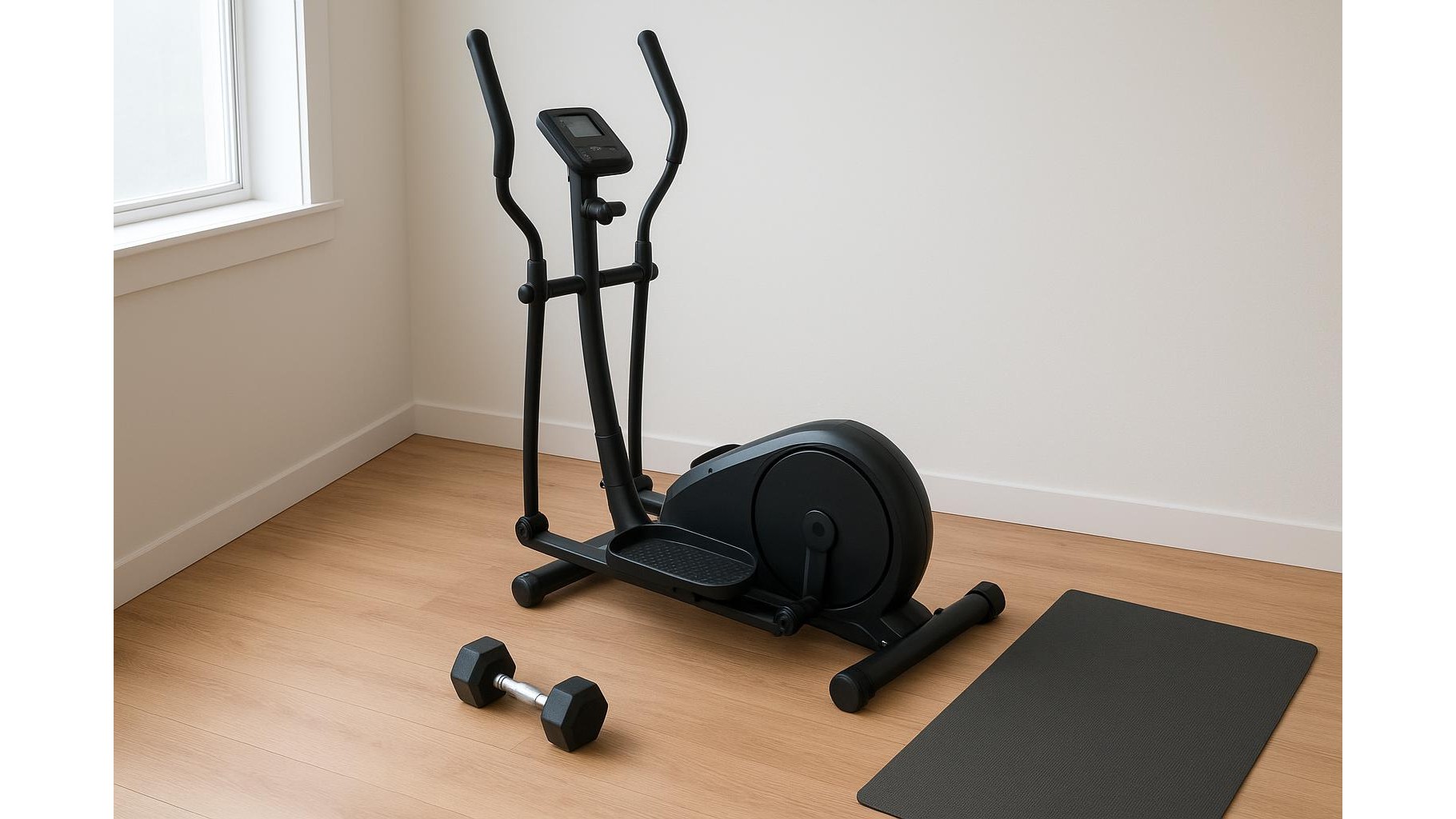
For a minimalist or multi‑purpose room, a compact dual‑action machine works best when it is treated as the hub of your conditioning, not your only tool. Pair it with a small set of dumbbells, a kettlebell or resistance bands and you can build complete full‑body workouts in tight spaces. For example, alternate 5 minutes on the machine with short circuits of body‑weight squats, push‑ups and rows for a 30‑minute session that challenges both strength and cardio. Position the machine where you can see a screen or a window to make regular use more appealing and less monotonous. A floor mat underneath protects both the floor and the equipment, reduces noise and visually defines your home gym area, which often helps with motivation and habit‑building.
When a compact dual‑action machine is worth it
In a cramped home or shared flat, a compact dual‑action cardio machine can be a smart investment if your priorities are space efficiency, low‑impact training and full‑body conditioning in limited time. These bike‑elliptical hybrids are not perfect replacements for high‑end spin bikes or full‑size ellipticals, but they shine as versatile, always‑ready tools for staying active, supporting fat loss and complementing strength work. If you choose a stable, adjustable model with suitable resistance and commit to regular, structured sessions, a dual‑action machine can become the reliable cardio backbone of a small, effective home gym.