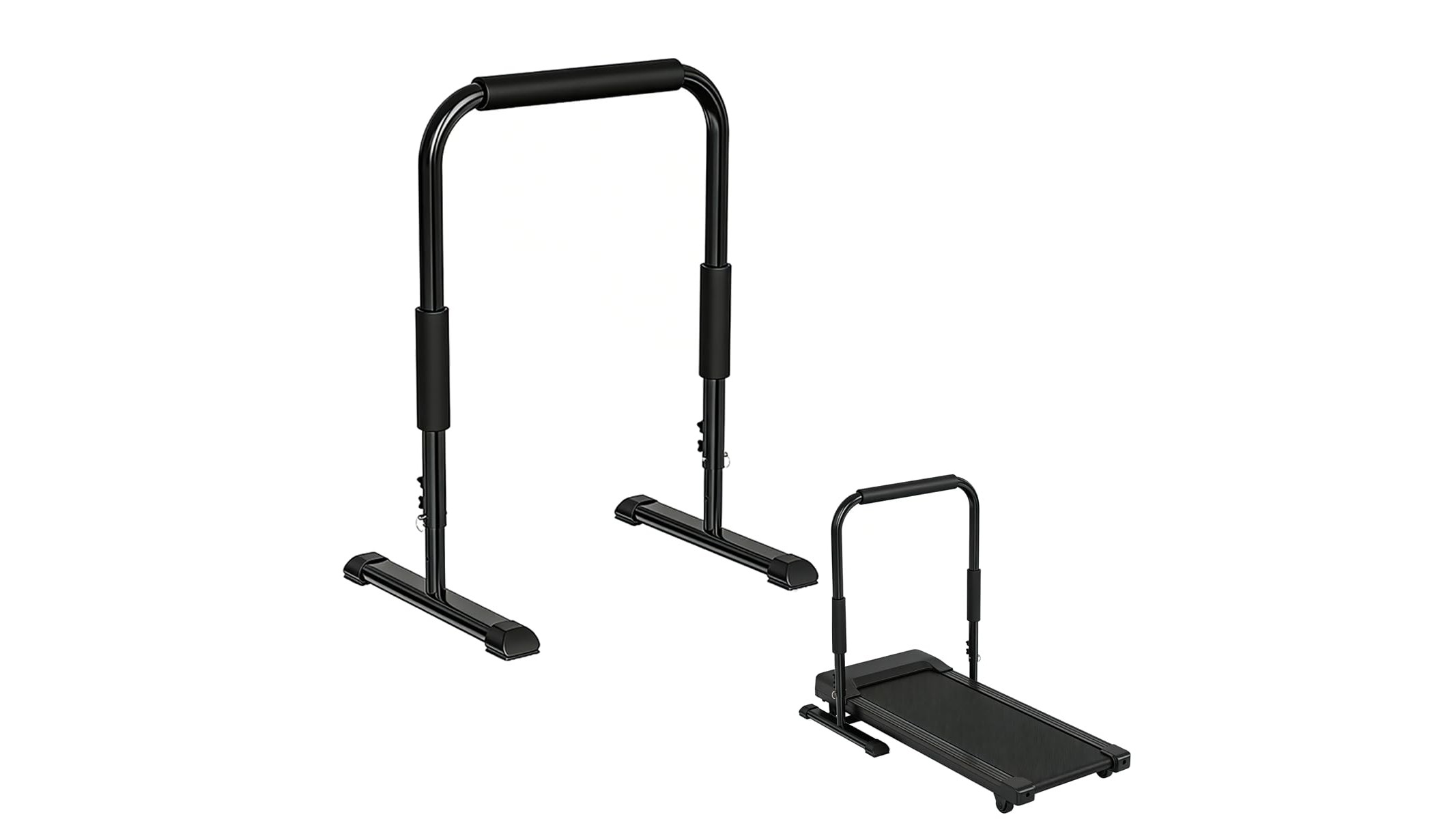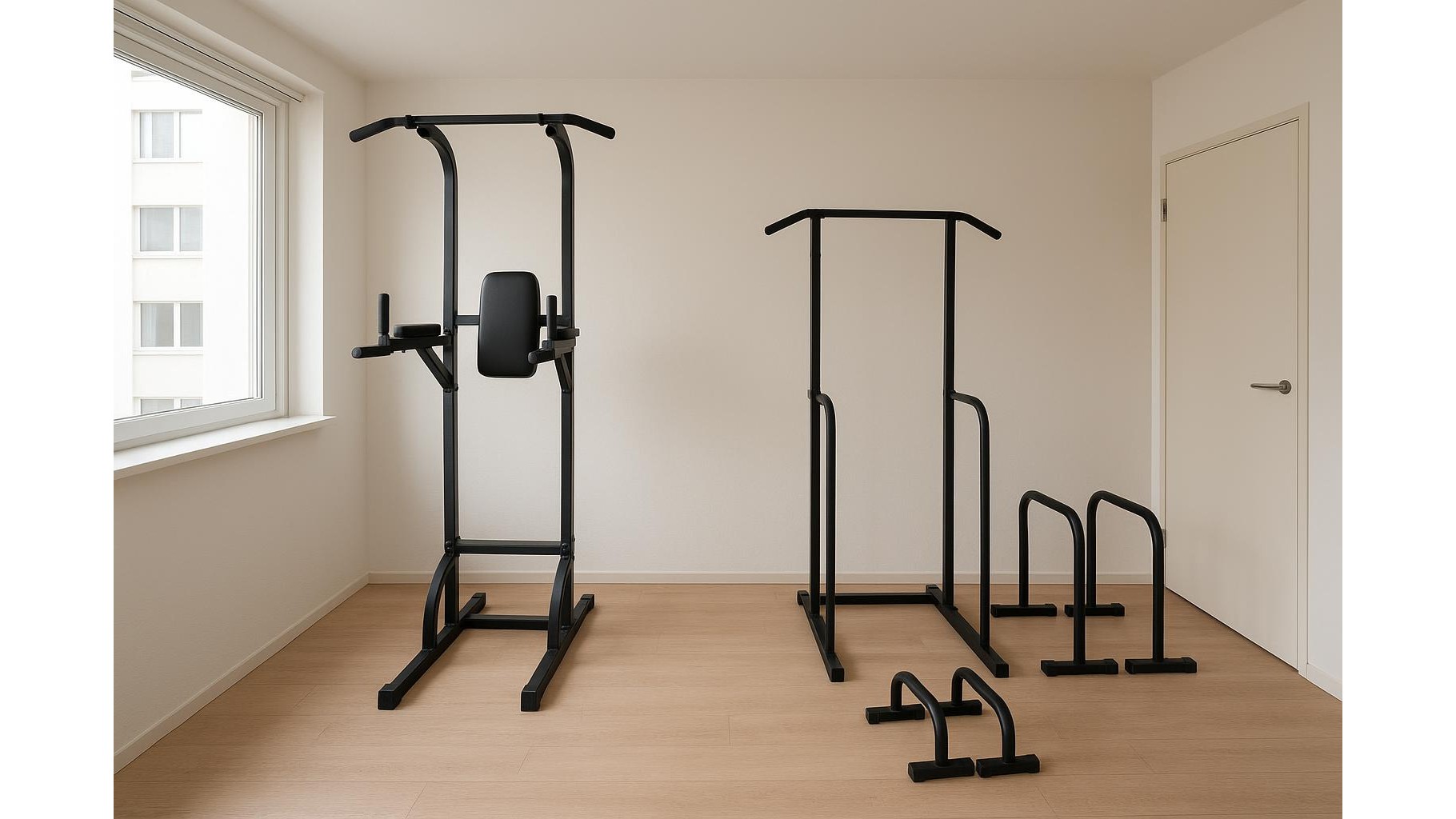
Designing a small home gym around vertical strength work can be tricky. You want reliable pull-ups, dips, and push-up variations, but you also need to protect floor space and keep the room safe and usable. The big dilemma is whether to invest in a single multi-station tower or build a setup with separate stands for each movement pattern. This guide walks you through footprint, stability, training progression and budget so you can choose the best solution for your space and your goals.
Table of contents
Understanding your space and ceiling height
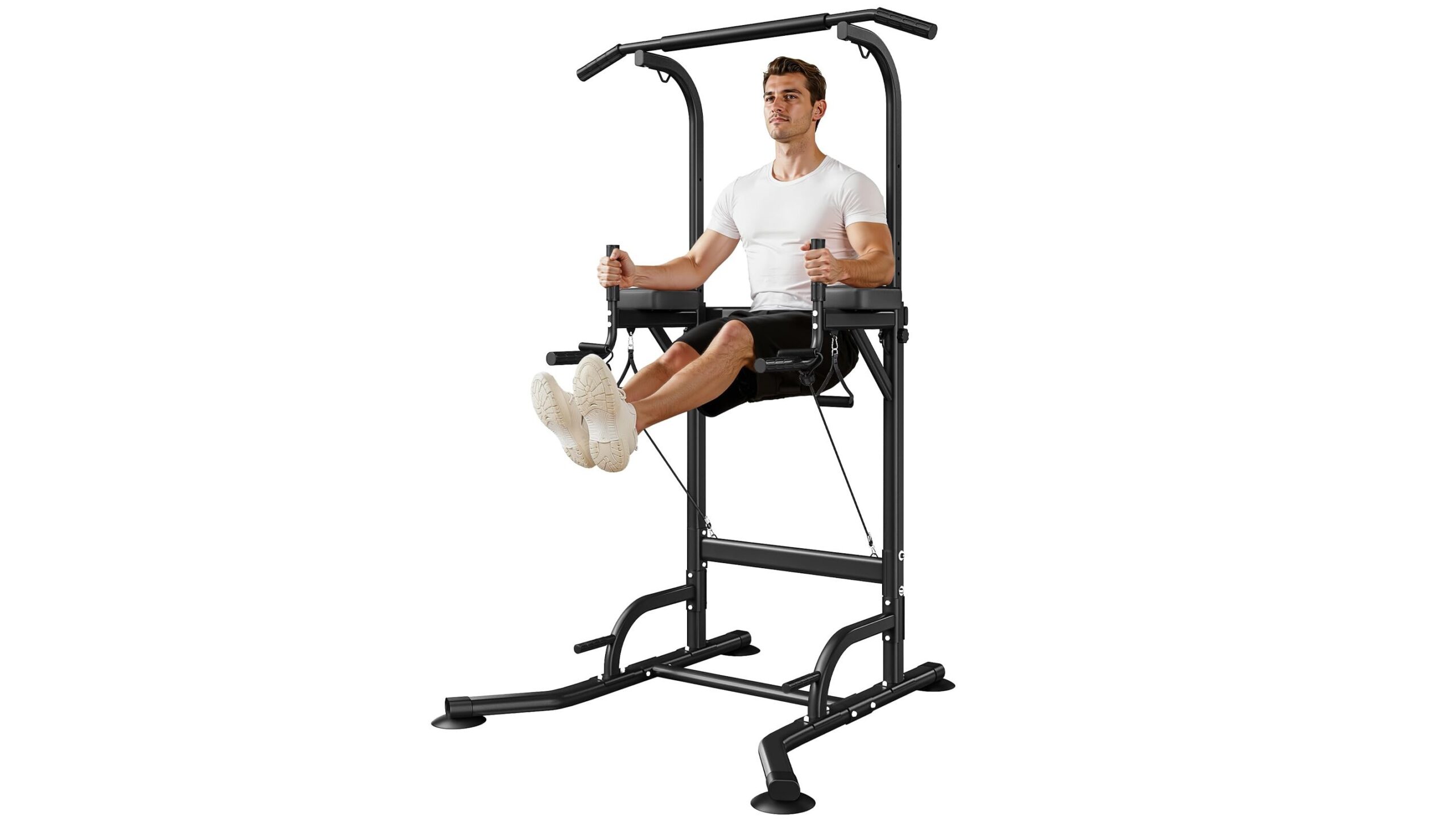
The first step is to map your available floor area and ceiling height. Multi-station towers combine pull-up bar, dip handles and sometimes push-up grips on one vertical frame. They usually require a rectangular footprint and enough vertical clearance for a full overhead pull-up without touching the ceiling. Separate stands let you distribute your setup: a pull-up stand can go in one corner, while dip bars and push-up parallettes slide under a bed or against a wall when not in use. In very tight apartments, separate stands often win because you can move and rotate them more easily than a single heavy tower.
Safety, stability and load capacity
For a strength-focused home gym, stability under load is non-negotiable. Multi-station towers tend to have a wide base and cross-bracing, which can feel very solid for strict pull-ups and dips if the floor is level. However, cheaper towers may flex or wobble, especially for heavier athletes or when adding weight with a belt. Separate stands vary widely: some pull-up stands use a compact base that can tip if you kip or swing; freestanding dip bars may spread or rock if the frame is light. Whatever you choose, check maximum load rating, base width and whether the equipment needs to be bolted to the floor or braced against a wall to be truly safe.
Training variety and progression options
When planning long-term progression, think about how each option supports both regression and overload. A well-designed multi-station tower usually offers multiple grip widths for pull-ups, adjustable or angled dip handles, and sometimes built-in push-up grips. This allows you to switch between neutral, wide and close grips or gradually raise push-up height to make the movement easier. Separate stands can be even more versatile: independent parallel bars are excellent for push-ups, L-sits and rows; a dedicated pull-up stand might allow ring attachments or suspension trainers. The trade-off is that you must select each piece intentionally so the combination covers your core needs: vertical pulls, vertical presses and horizontal pushing.
Footprint, storage and noise considerations
In a small apartment gym, how equipment lives in the room matters as much as how it performs during sets. Multi-station towers are often semi-permanent: once built, they stay in one spot and may be difficult to move through doors or corridors. That can be perfect if you have a dedicated corner and want a clean, contained station. Separate stands can be lighter and more modular: dip bars can nest together; parallettes slide under furniture; a slim pull-up stand can sit behind a sofa or in a hallway. On the other hand, more individual pieces mean more things to store, and some lighter stands can generate more noise and vibration on the floor, especially in upstairs flats, compared with a heavier, more planted tower.
Budget, assembly and future upgrades
Your budget and tolerance for assembly also influence the decision. A solid multi-station tower often costs more upfront but gives you an all-in-one solution with a single delivery and one assembly session. For beginners, that can be an efficient way to start training right away. Building a system from separate stands can be more cost-effective if you buy over time: start with a stable pull-up stand, add dip bars later, then include heavy-duty parallettes when your push-up and core work progress. Separate stands also make it easier to upgrade individual components without replacing the whole structure, which is useful if your strength levels or training style change over the years.
In summary, both multi-station towers and separate stands can anchor a powerful, vertical strength-focused home gym in a small space. A tower offers an integrated, tidy solution with a predictable footprint and unified look, ideal if you have a dedicated corner and want minimal decision-making. Separate stands reward careful planning with greater modularity, easier storage and more flexible progression paths, especially in very constrained rooms. Assess your space, ceiling height, bodyweight, training goals and future upgrade plans, then invest in the configuration that will stay safe, stable and motivating as your strength grows.