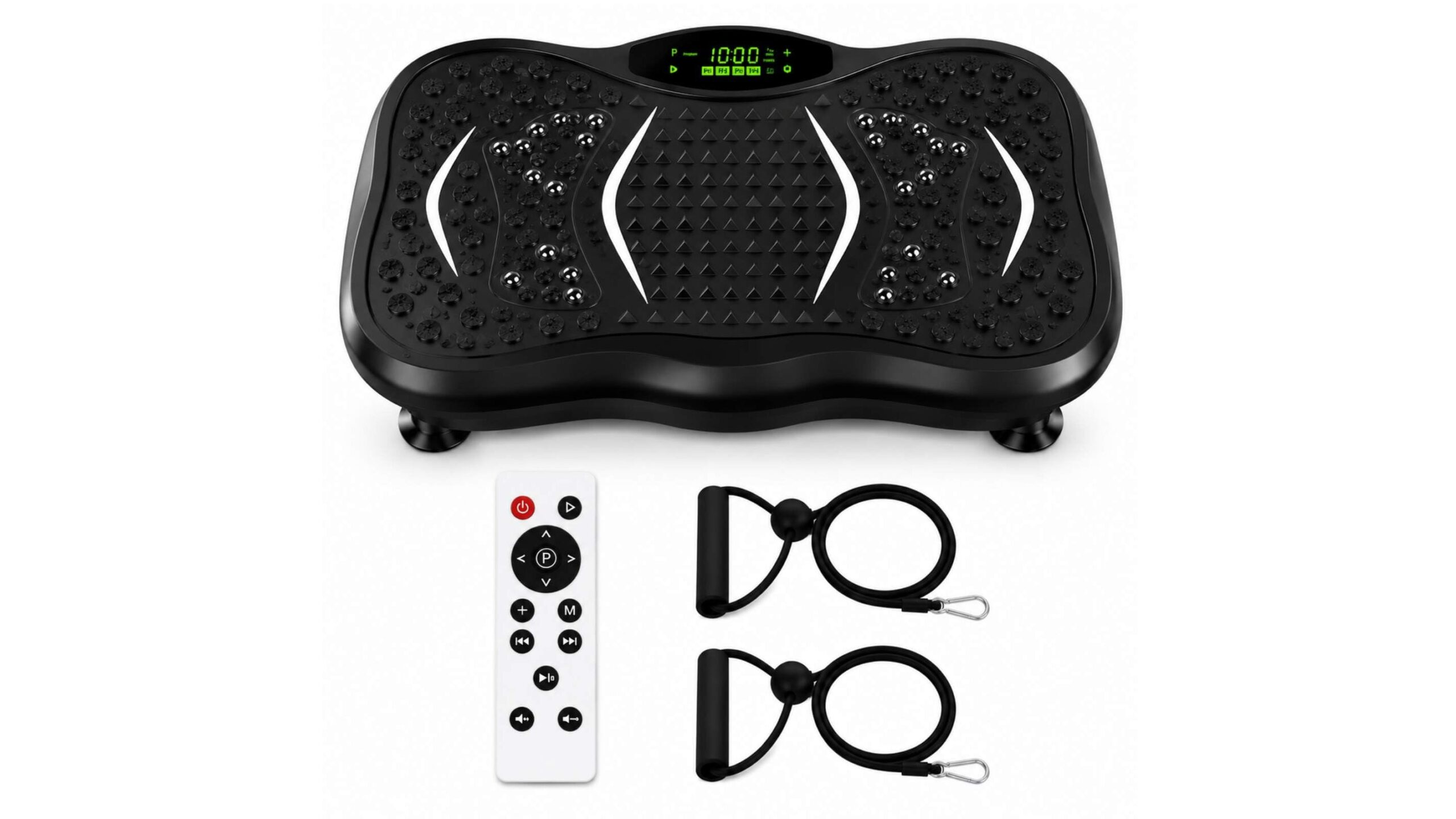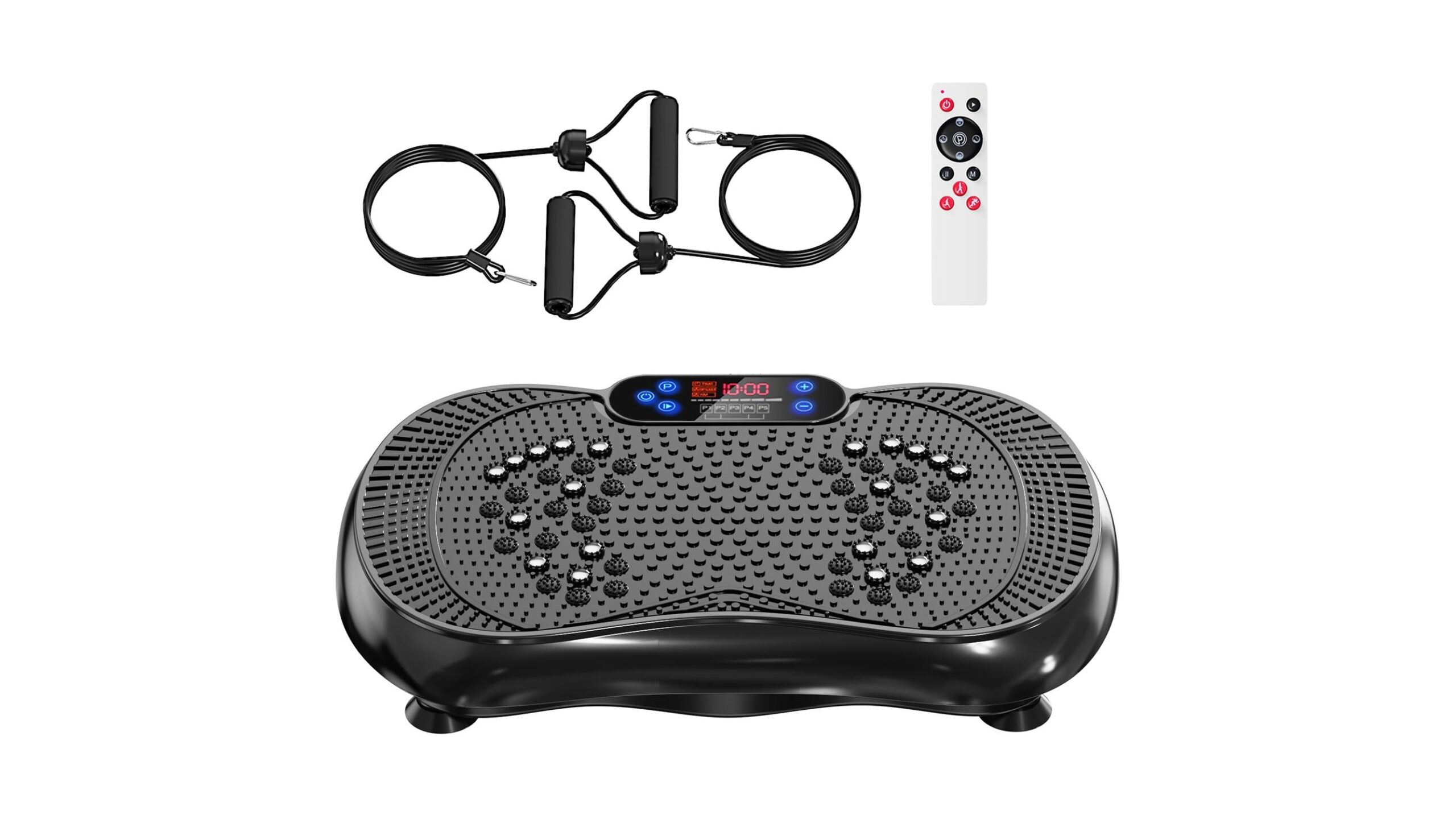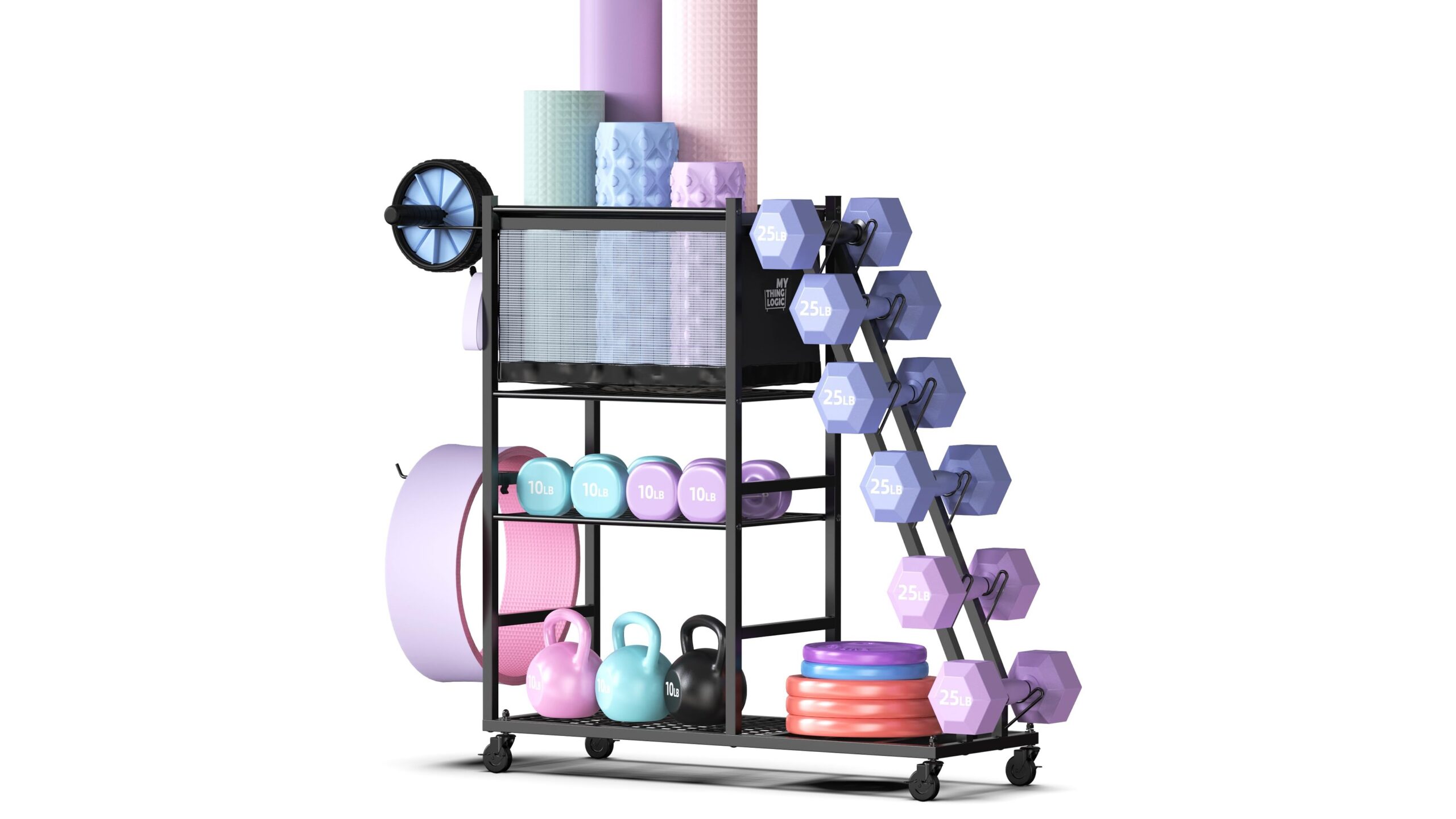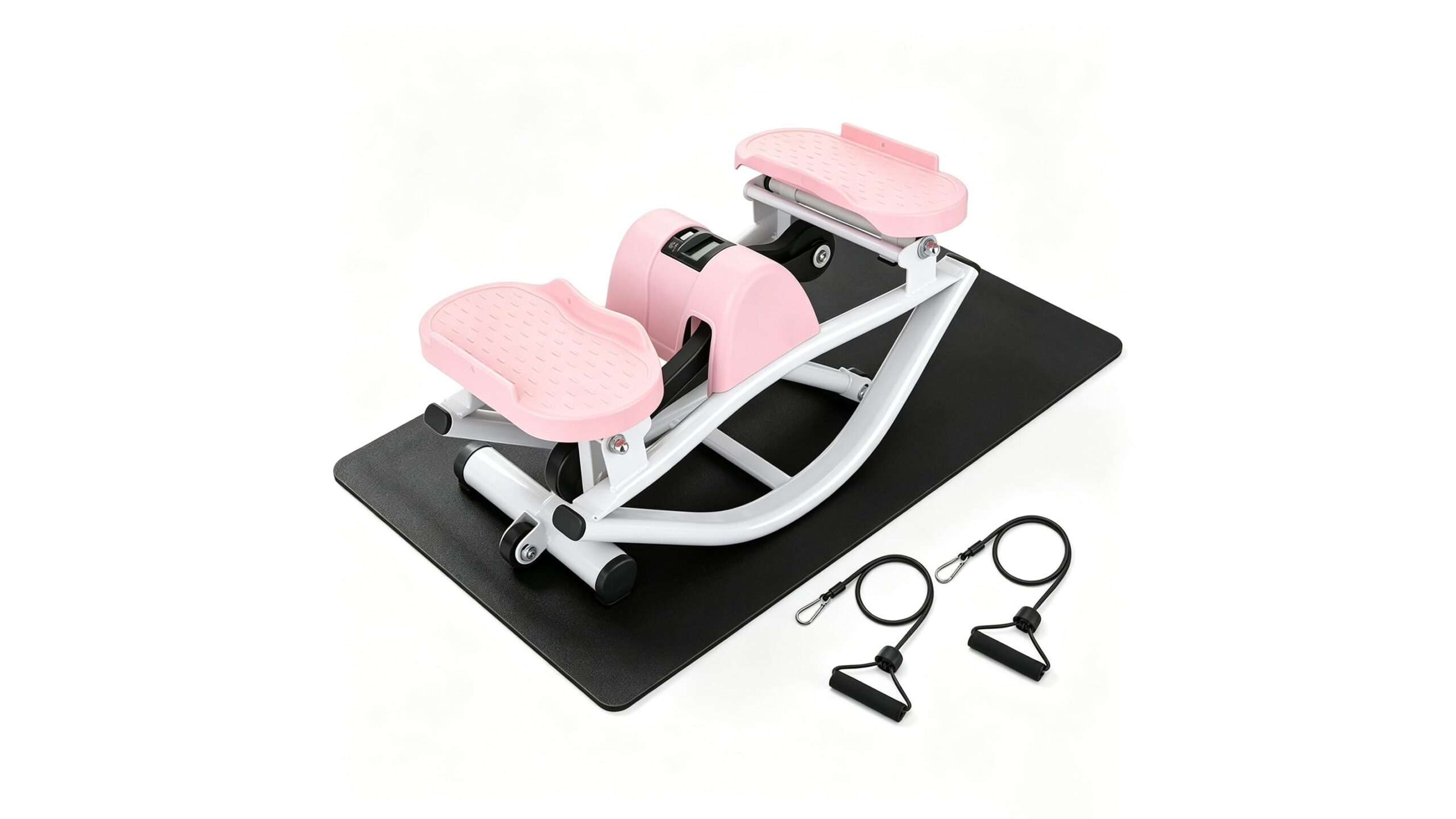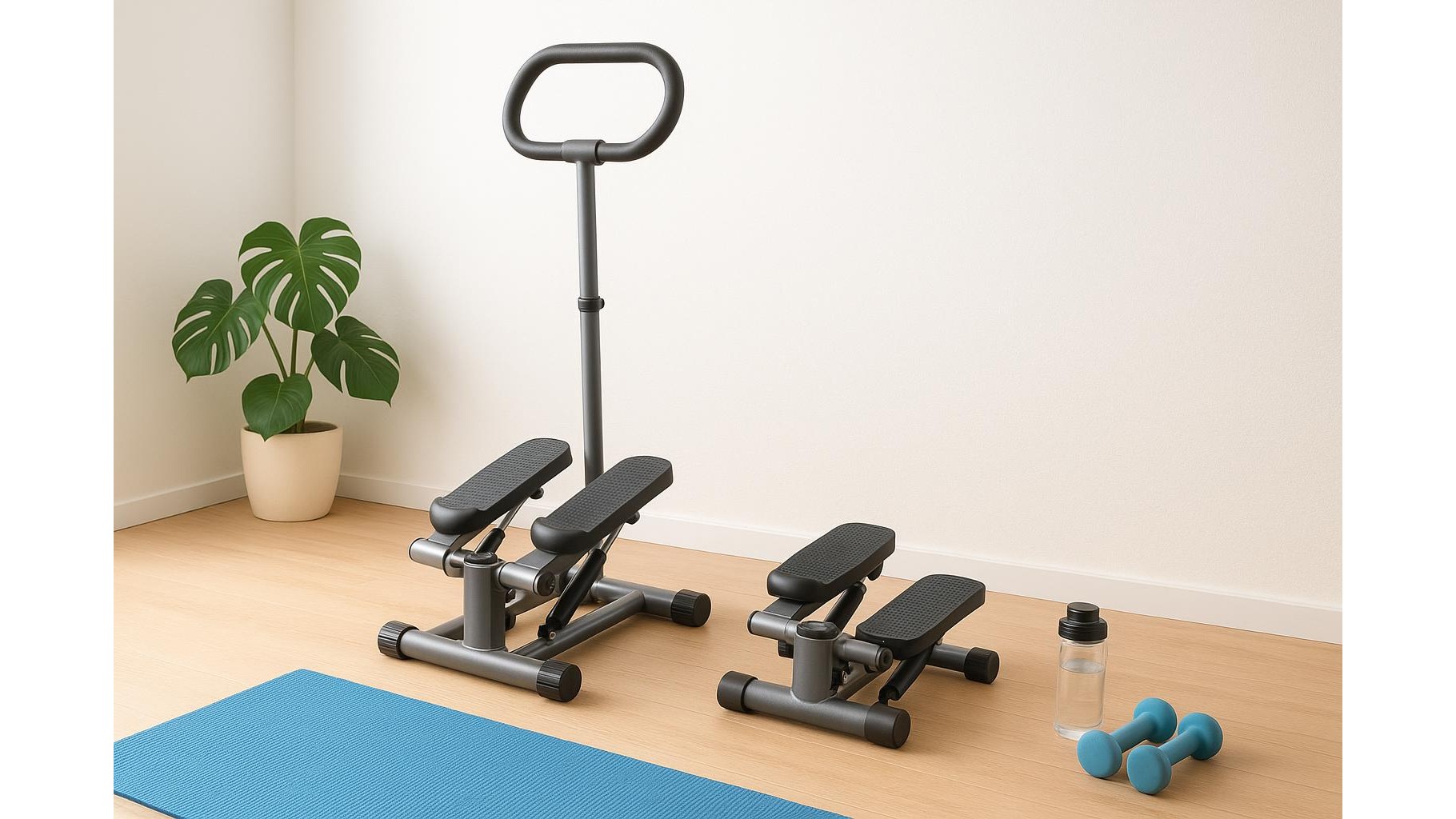
If you are building a compact home gym, a stepper is one of the easiest ways to add low‑impact cardio without sacrificing space. But should you choose a stepper with handlebar or a mini stepper without handlebar? Understanding stability, joint impact, footprint and training options will help you pick the right tool for your body, goals and home.
Table of contents
Stability and safety: who really needs a handlebar?
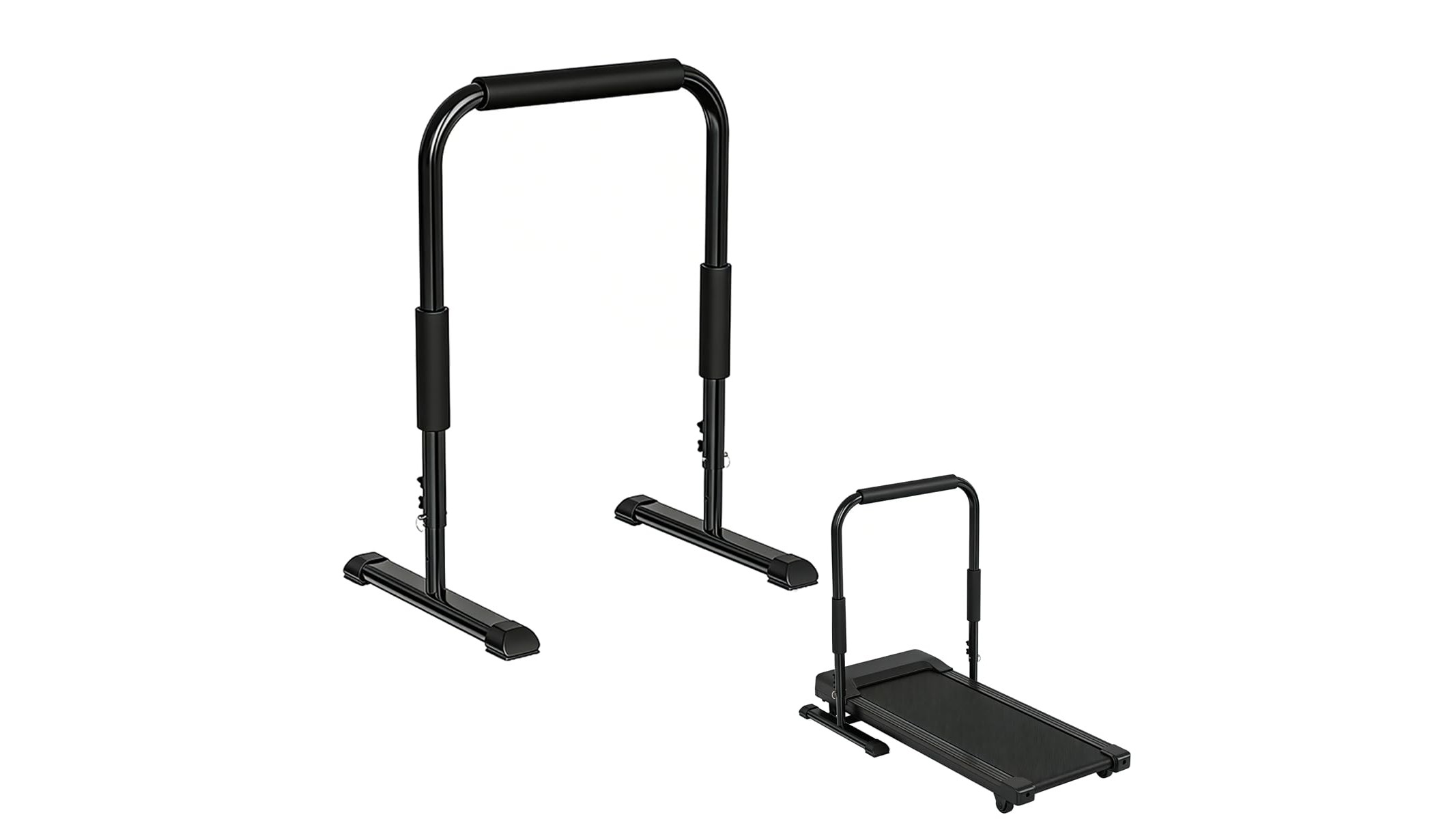
For beginners, older users or anyone with balance issues, a stepper with handlebar generally feels safer. The integrated handle gives you a stable support point, reduces the risk of wobbling and allows you to focus on your legs and breathing. This is especially useful if you have reduced proprioception or if you are returning to exercise after an injury. By contrast, a mini stepper without handle forces you to stabilise with your core and upper body, which can be positive for overall fitness but requires more control. If you live in a small flat with hard floors or share space with others, a more stable, handled stepper can also feel psychologically safer during intense intervals.
Joint impact and ergonomics: protecting knees, hips and ankles
Both steppers with handlebar and mini steppers are classed as low‑impact cardio equipment, but how you use them matters. A handlebar lets you distribute part of your bodyweight through your arms, slightly reducing the load on knees and ankles. This can be valuable if you suffer from mild joint discomfort or are heavier and want to build conditioning gradually. However, leaning too heavily on the handle can lead to poor posture and less effective leg work. Mini steppers, especially models with a smooth hydraulic or magnetic resistance system, encourage a more natural, upright stance that closely mimics stair climbing. For sensitive joints, opt for wide, cushioned pedals, adjustable resistance and smooth motion rather than chasing the smallest possible size at all costs.
Footprint, storage and noise in small home spaces
When space is tight, the footprint of your cardio tool is crucial. Steppers with handlebars take up more vertical and horizontal room and are less discreet, but many are still compact enough for a bedroom corner or beside a desk. They are ideal if you have a semi‑permanent workout zone. Mini steppers without handlebar shine in micro apartments: they often slide under a bed, into a cupboard or under a desk, and can be moved easily between rooms. Pay attention to noise levels if you live in a flat: look for non‑slip rubber feet and a robust frame to limit squeaks and vibration. Heavier devices tend to feel more solid and quiet, even when they are small, which can make a big difference for early‑morning or late‑night workouts.
Training options: upper body, resistance and versatility
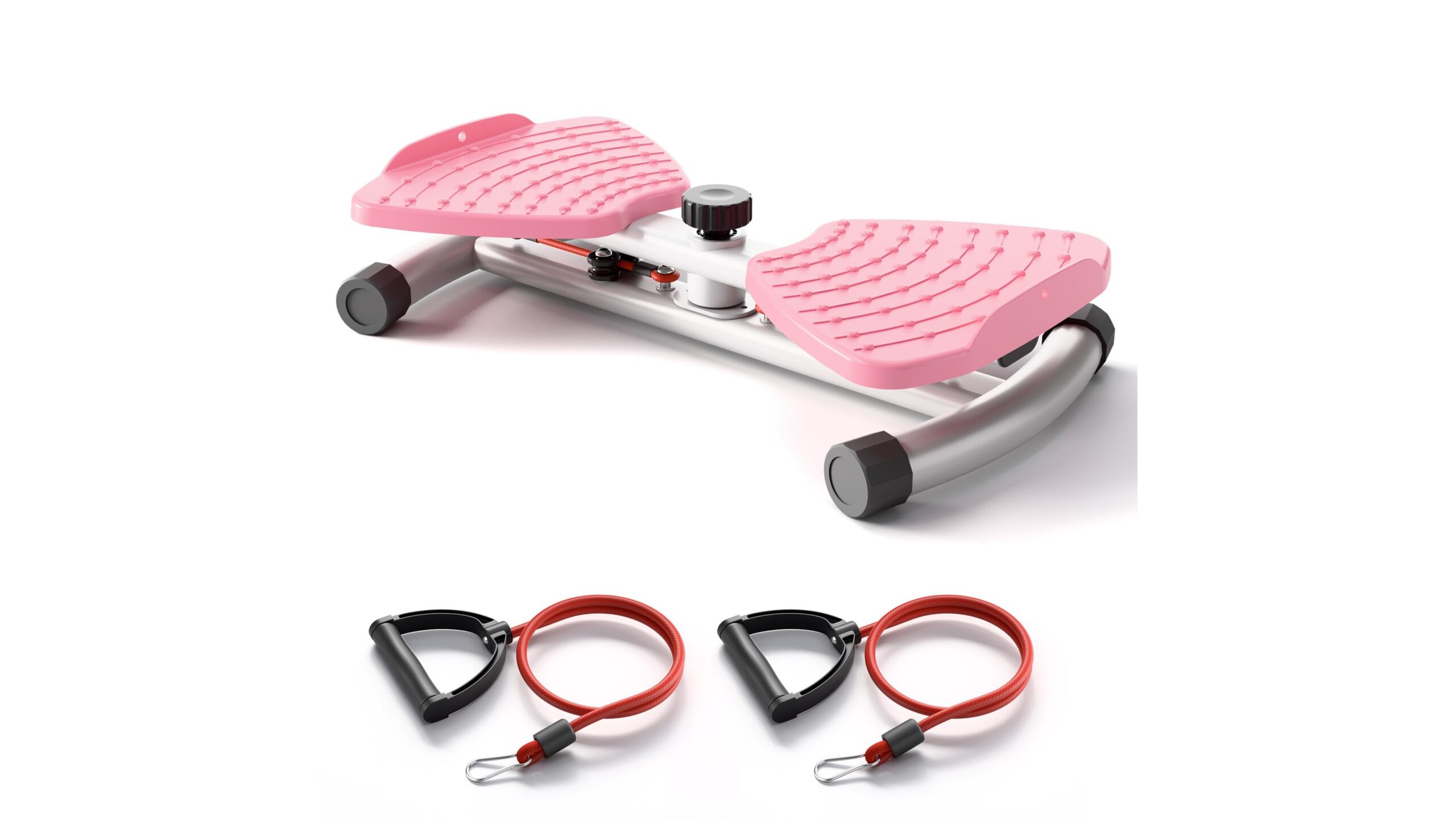
A key factor when choosing between handlebar stepper and mini stepper is how you like to train. A stepper with handlebar is perfect for longer, steady‑state sessions because you can relax your arms on the bar during tough intervals and maintain a constant rhythm. Some models integrate resistance bands or movable handles for light upper‑body engagement, turning the device into a more complete cardio‑plus‑toning station. Mini steppers are extremely versatile for short, intense HIIT blocks, quick desk‑break sessions or pairing with dumbbells and resistance bands for full‑body circuits. Look for adjustable resistance, a basic display for time, steps and calories, and side‑to‑side (twist) motion if you also want to target glutes and obliques in a small footprint.
Who should choose which: matching stepper type to your profile
If you prioritise maximum stability, are new to fitness, have balance concerns or simply prefer a more secure feel, a stepper with integrated handlebar is likely the best choice. It suits users who plan to do longer, controlled cardio sessions and value safety over extreme portability. On the other hand, if you already have decent balance, want to save every centimetre of space, and like the idea of a tool you can store almost anywhere, a mini stepper without handle is a strong candidate. It is ideal for quick daily movement snacks, pairing with strength training and building a minimalist home gym that still delivers effective cardio training. Consider your typical session length, your floor plan and whether other people will share the device.
In summary, both steppers with handlebar and mini steppers without handle can be excellent compact cardio tools for home. The best choice depends on your need for stability, your joint history, the space you can dedicate and how you like to train. Take a moment to visualise where the stepper will live, how often you will use it and whether you prefer a secure, anchored feel or a minimalist, portable solution. By aligning the device with your real habits, you will get more steps, more consistency and better results from your home workouts.