When your ankles or knees feel sore, it does not mean you have to give up your home workouts. With a few smart tweaks and simple household items like cushions, towels and chairs, you can make your routine more joint‑friendly, stay active and protect sensitive areas while they calm down.
Table of contents
Make the floor softer: cushions, towels and folded mats
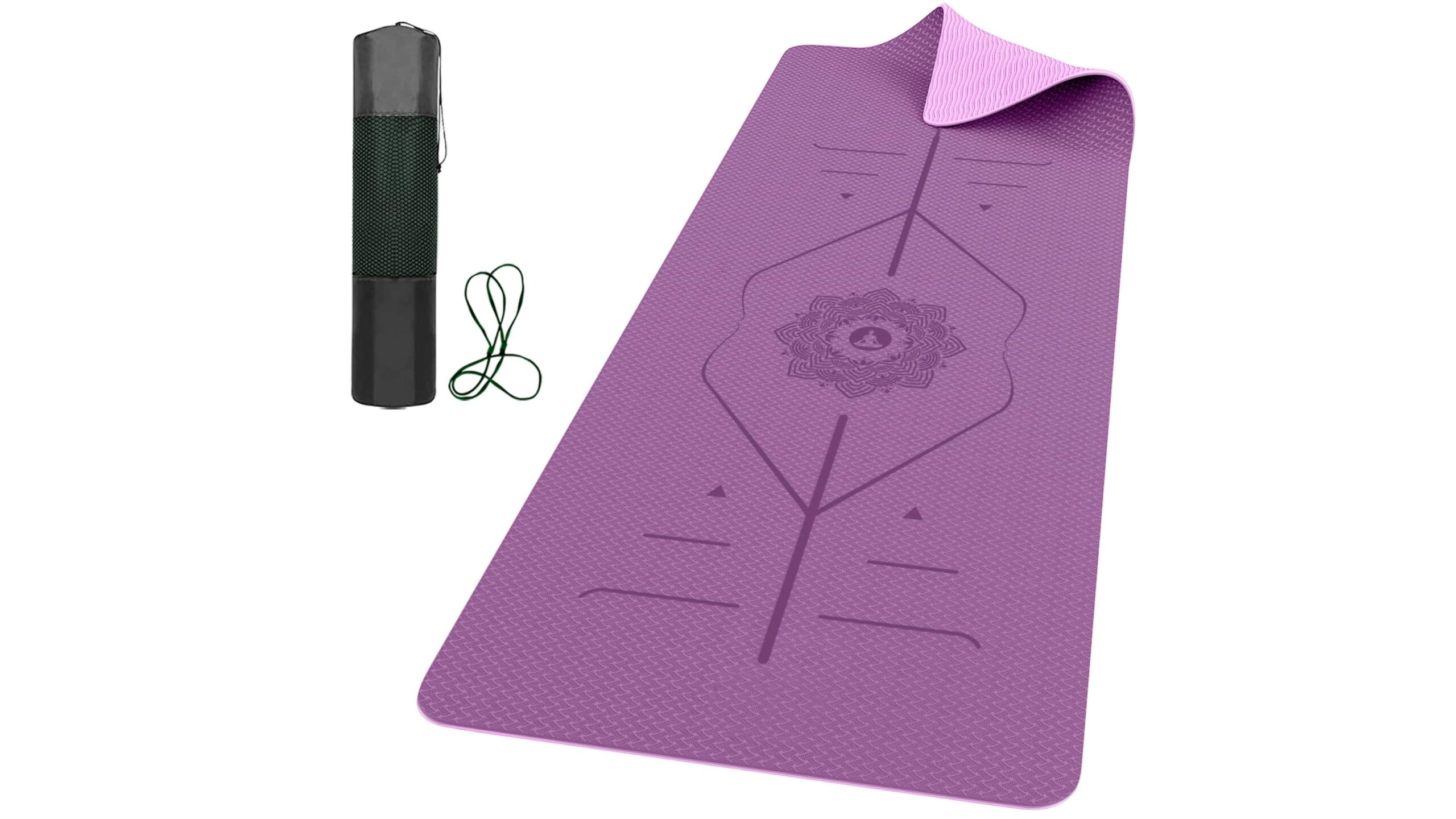
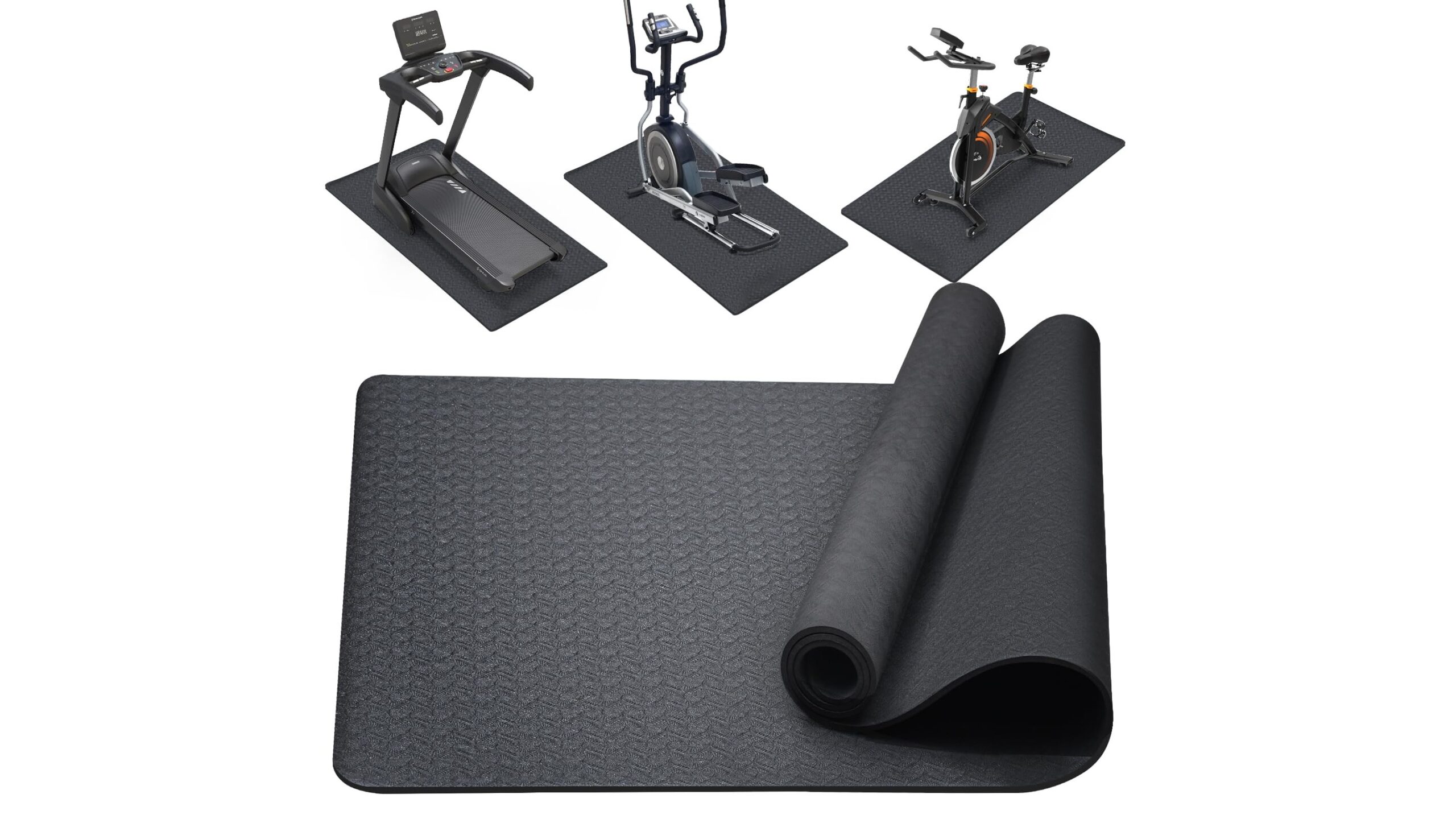
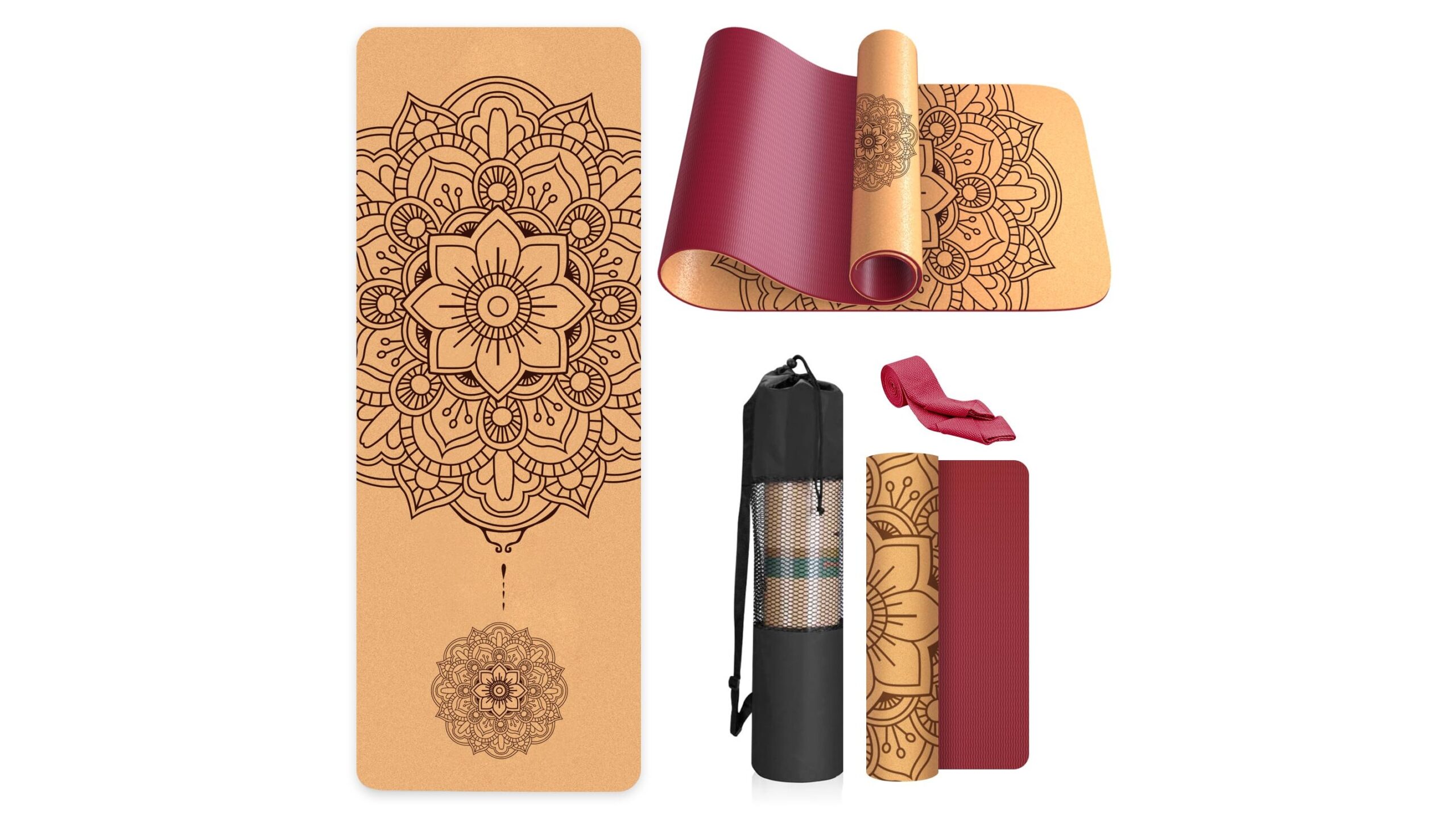
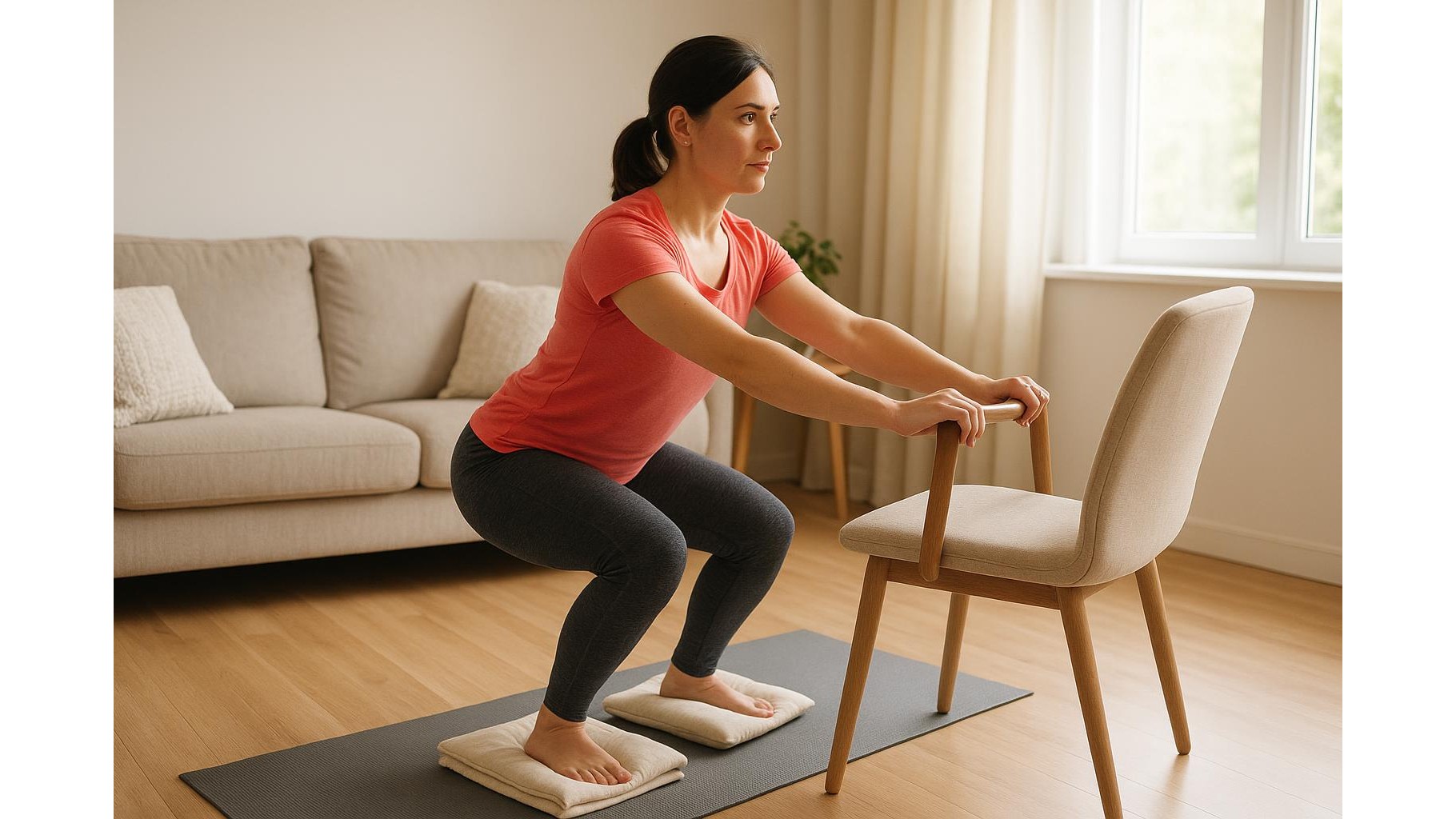
Hard floors are one of the biggest triggers for knee discomfort during home exercise. To reduce pressure, layer a folded towel or blanket under your knees for moves like quadruped positions, modified planks or lunges with the back knee down. If you have a spare seat cushion, place it where your knees will rest, or double up your exercise mat for extra padding. For ankles, avoid sitting directly on your heels on a hard surface. Instead, slide a rolled towel between your calves and hamstrings to open the knee angle and reduce compression, and use another small towel under the front of the ankle so the joint is not forced into an extreme pointed position.
Use chairs and walls to unload ankles and knees
A stable chair or a wall can transform painful movements into manageable ones. For squats, hold the back of a chair or face a wall and lightly touch it with your fingertips; this helps you sit back into your hips instead of collapsing into your knees. If stepping exercises bother your ankles, do seated marches, leg extensions or heel raises while holding the chair for support, keeping the range of motion small and controlled. Wall push‑ups are a great swap for floor push‑ups when kneeling hurts. You can also perform supported lunges by resting one hand on the chair to improve balance and reduce strain on the front knee, focusing on smooth, pain‑free movement.
DIY wraps with elastic bandages and long socks
When joints feel a bit wobbly but not acutely injured, gentle compression can provide reassuring support. If you do not have a dedicated brace, a soft elastic bandage can be wrapped in a figure‑of‑eight around the ankle or in a spiral around the knee, starting just below the joint and working up. It should feel snug but never tight enough to cause tingling, numbness or colour change. In a pinch, even a long, stretchy sock can offer light support around the ankle: cut off the toe, slide it over the foot and fold it down so it doubles around the joint. Remember that DIY wraps are temporary aids; if you find you depend on them daily, it is a sign to reduce intensity and get a professional assessment.
When to modify, when to rest and how to track symptoms
Listening to your body is crucial when working around joint sensitivity. In general, modify an exercise if you feel mild discomfort (up to 3 out of 10) that eases quickly once you stop and does not leave you worse the next day. You can shorten the range of motion, slow the tempo, add more support or swap the move for a lower‑impact variation. Choose to rest a joint if pain is sharper, increases as you move or lingers for hours afterwards; focus instead on upper‑body or core work that does not stress the area. Keep a simple log of which exercises you did, how your ankles and knees felt during and after, and whether the pain is improving over a week or two. This helps you spot patterns and avoid repeatedly aggravating the same structure.
Red flags: when ankle and knee pain need professional help
Some symptoms mean it is time to pause DIY solutions and seek professional help. Contact a doctor or physiotherapist promptly if you notice sudden, severe pain after a twist, fall or misstep; significant swelling or visible deformity; inability to put weight on the leg; locking, catching or giving way of the knee; or warmth, redness and fever along with joint pain. Persistent pain lasting more than two weeks despite reducing or modifying your workouts also deserves expert evaluation. A clinician can rule out serious injury, provide a clear diagnosis and give you a personalised rehab plan, so your home exercises become part of the solution instead of making things worse.
With thoughtful adjustments, smart use of cushions, towels, chairs and simple wraps, most people can keep moving even when ankles and knees feel sensitive. Build your sessions around comfort, control and gradual progression, and use pain as information rather than a challenge to push through. When in doubt, scale back, rest or call in a professional so your home gym remains a safe, sustainable ally for your long‑term fitness.