Building a living-room home gym around a compact adjustable aerobic barbell set is one of the most space‑efficient ways to get stronger. These lightweight systems combine a short bar with small plates and safety clips, so you can perform squats, lunges, presses and rows without turning your house into a commercial gym. The key is choosing a set that balances portability, comfort and enough load to keep you progressing in your strength training over time.
Table of contents
Understanding what an aerobic barbell set really is
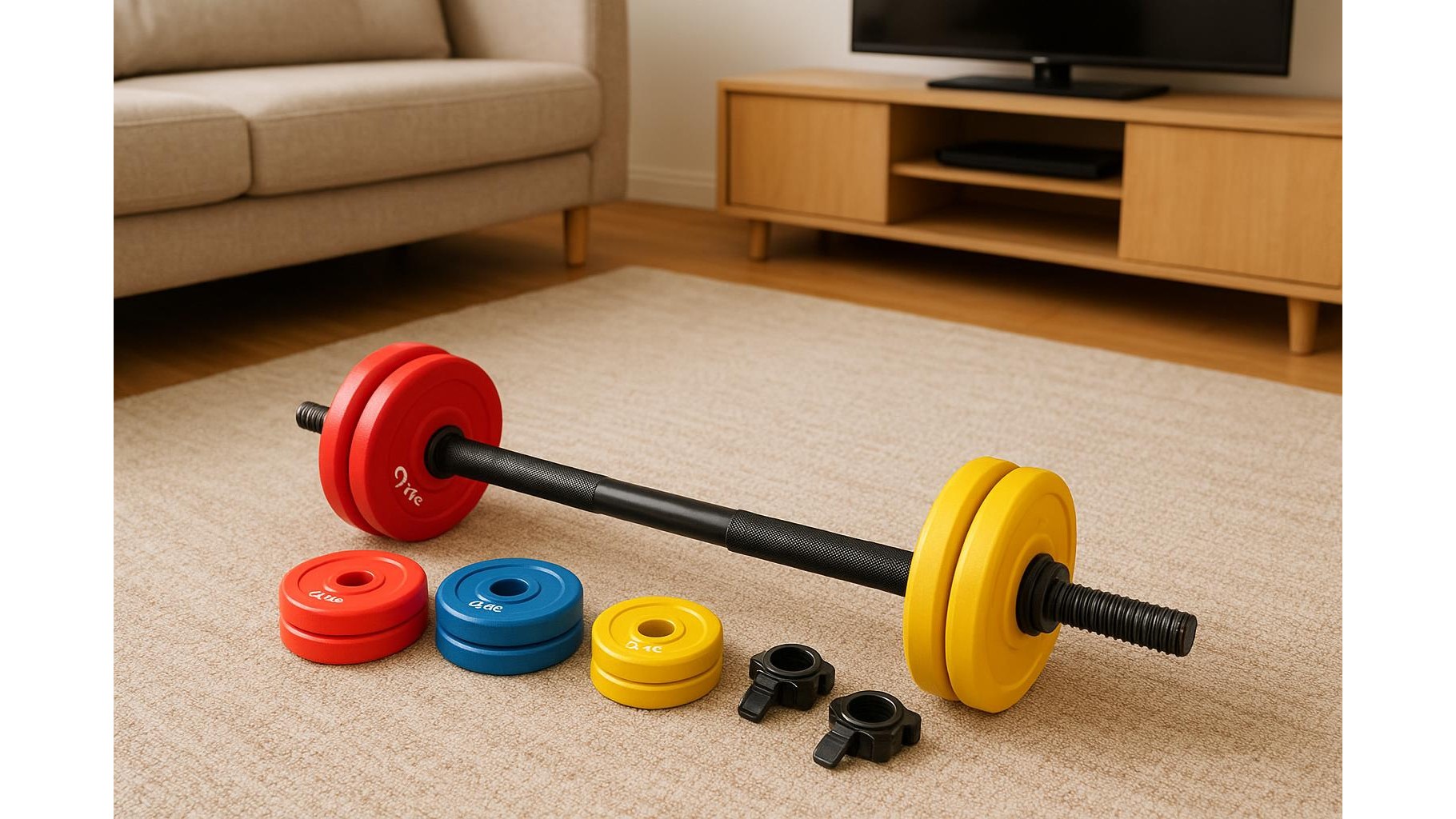
A compact aerobic barbell set is designed primarily for high‑rep classes and living-room workouts, rather than maximal powerlifting. You typically get a short bar (often in the 120 cm range), several light plates, and quick‑release collars. Unlike traditional steel Olympic plates, many of these sets use plastic‑coated or rubberised plates that are quieter on floors and easier to handle. This makes them ideal if you live in a flat, train at night, or need to store everything behind a sofa or in a cupboard. When you assess options, think about your main use: fast, cardio‑style circuits, or slower, progressive strength work with slightly heavier loads.
Plate materials: plastic, rubber and floor‑friendliness
The plate material has a huge impact on noise, durability and how safe the set is on your living‑room floor. Many aerobic barbells use cement or sand cores inside a moulded plastic shell. These are cheap and reasonably durable, but can crack if dropped repeatedly. Rubber‑coated plates offer better grip, less noise and more protection for both the plate and your flooring. If you train over tiles or hardwood and cannot fit a large mat, prioritise rubberised or urethane‑coated plates. Look for plates with easy‑grab handles or recessed edges so they are simple to pick up and change between sets, keeping your home workouts smooth and efficient.
Bar length, grip and living‑room manoeuvrability
For small home spaces, bar length matters as much as total weight. Standard Olympic bars are around 220 cm, which can be unwieldy in a living room. A good compact adjustable barbell for home use typically sits between 120 and 140 cm, short enough to curl, press and squat without hitting walls or furniture. Check that the grip diameter is comfortable; many aerobic bars are slightly thinner, which helps smaller hands. A light, hollow bar (often 1–3 kg) is fine if you are new to lifting, but if you aim to get stronger over months and years, consider a sturdier bar that can safely hold more plates without flexing. Knurled or textured grips can reduce slipping when your hands get sweaty.
Safety clips and quick weight changes
Even for lightweight aerobics sets, safety clips or collars are non‑negotiable. You will often move from squats to presses to rows with minimal rest, and plates must stay locked on the bar. Many sets come with spring collars, which are reliable but can be stiff for some users. Quick‑release or lock‑jaw style collars are faster to use, making weight adjustments between exercises easier and safer. Before buying, check that clips are included, that they match the diameter of the bar, and that they are easy to put on and remove with one hand. If you share the barbell with family members of different strength levels, fast and secure clips will make the set much more enjoyable to use.
How much weight do you really need?
For effective living-room strength training, you do not need a full Olympic weight set. Most aerobic barbell kits offer between 10 and 20 kg total, including the bar. For beginners focusing on high‑rep squats, lunges and overhead presses, a 10–15 kg set is usually enough to start. However, if you plan to progress and build noticeable strength, aim for at least 20 kg of total load, ideally with smaller plates (1.25–2.5 kg) so you can increase weight gradually. Remember that you can combine barbell work with resistance bands or dumbbells to extend the usefulness of a lighter set. The best compact barbell is one you can grow into, not out of in a month.
Choosing the right compact adjustable aerobic barbell set for your living room comes down to a few essentials: floor‑friendly plate materials, a bar length you can manoeuvre safely in tight spaces, reliable safety clips, and enough weight range to allow progressive overload. Focus on how the set will actually live in your home — where it will be stored, how quickly you can adjust it between exercises, and whether it feels comfortable in your hands. With a smart choice, your living room can double as an efficient, quiet and highly effective home strength training space without dominating your decor.