Spending all day at a desk and then jumping straight into your home workout can leave your body tight, restless and prone to nagging aches. A simple, structured evening stretching routine helps you transition from work mode to recovery mode, releasing tension in the hips, chest, shoulders and lower back. In just 15 minutes you can undo much of the stiffness caused by sitting, improve posture and set yourself up for deeper, more restorative sleep.
Table of contents
Set up your evening reset space
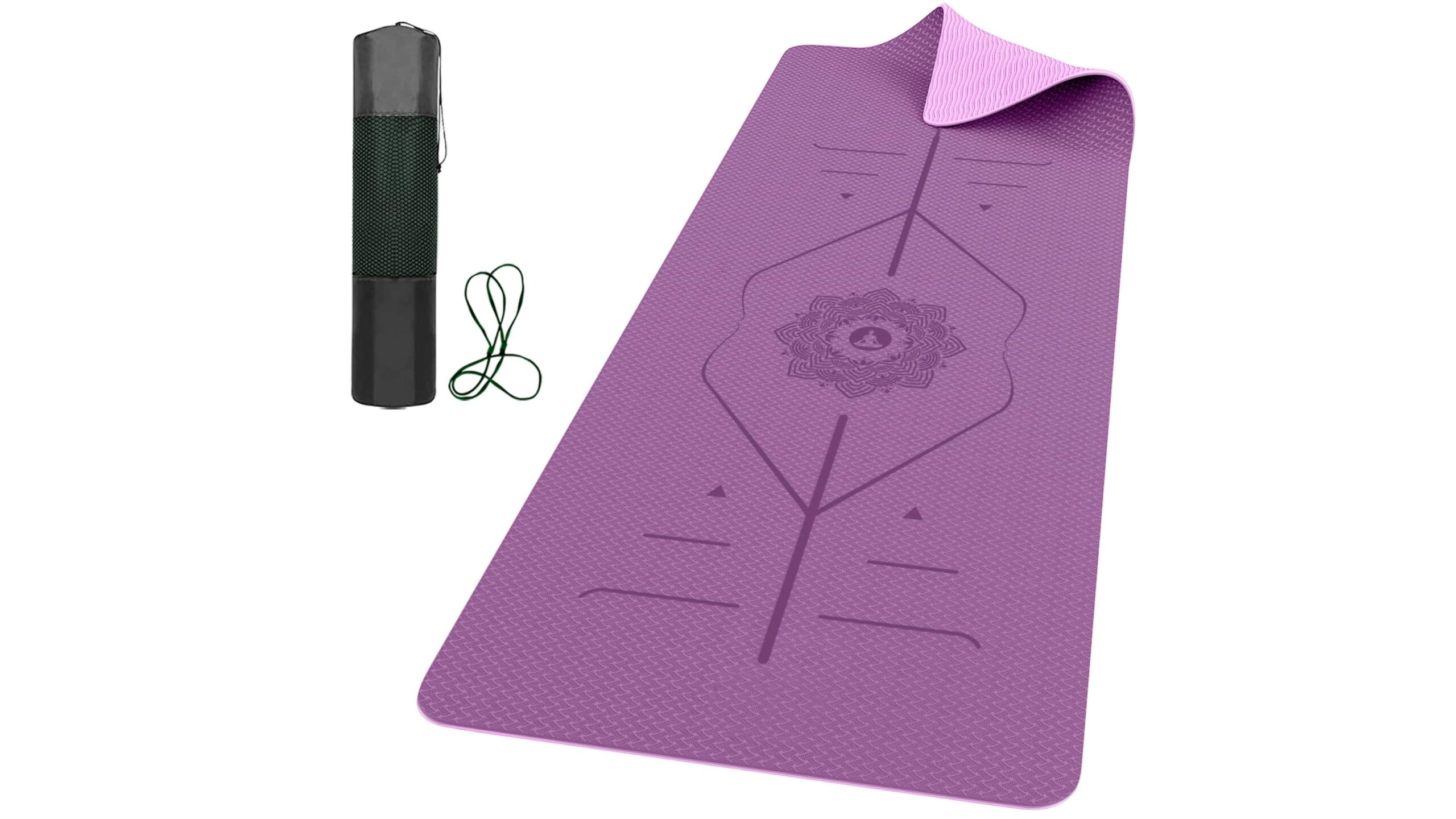
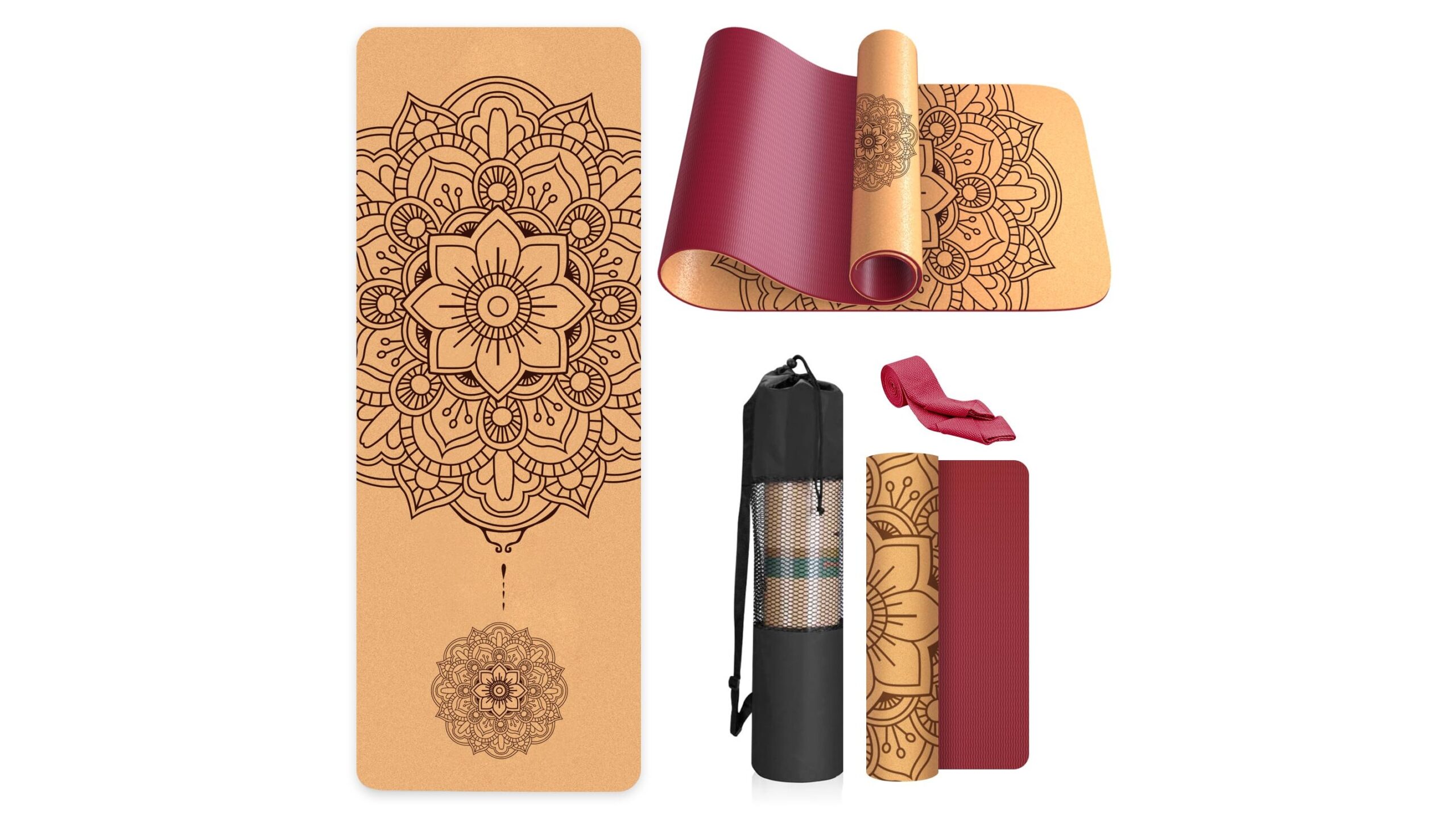
Before you start stretching, turn a corner of your home gym or living room into a dedicated “evening reset” space. Lay down a comfortable non-slip yoga mat, dim the lights and silence notifications. This small ritual tells your body the workday is over. If you’re coming off a heavy home session of squats, deadlifts or cycling, keep the room slightly warm to help your muscles relax. Aim to move slowly and intentionally, focusing on how each stretch feels instead of chasing maximum range of motion. Keep a folded towel or cushion nearby to support your knees or sit bones if your hips and lower back are very tight. This is not a workout; it’s a chance to downshift your nervous system.
Open up tight hips and hip flexors
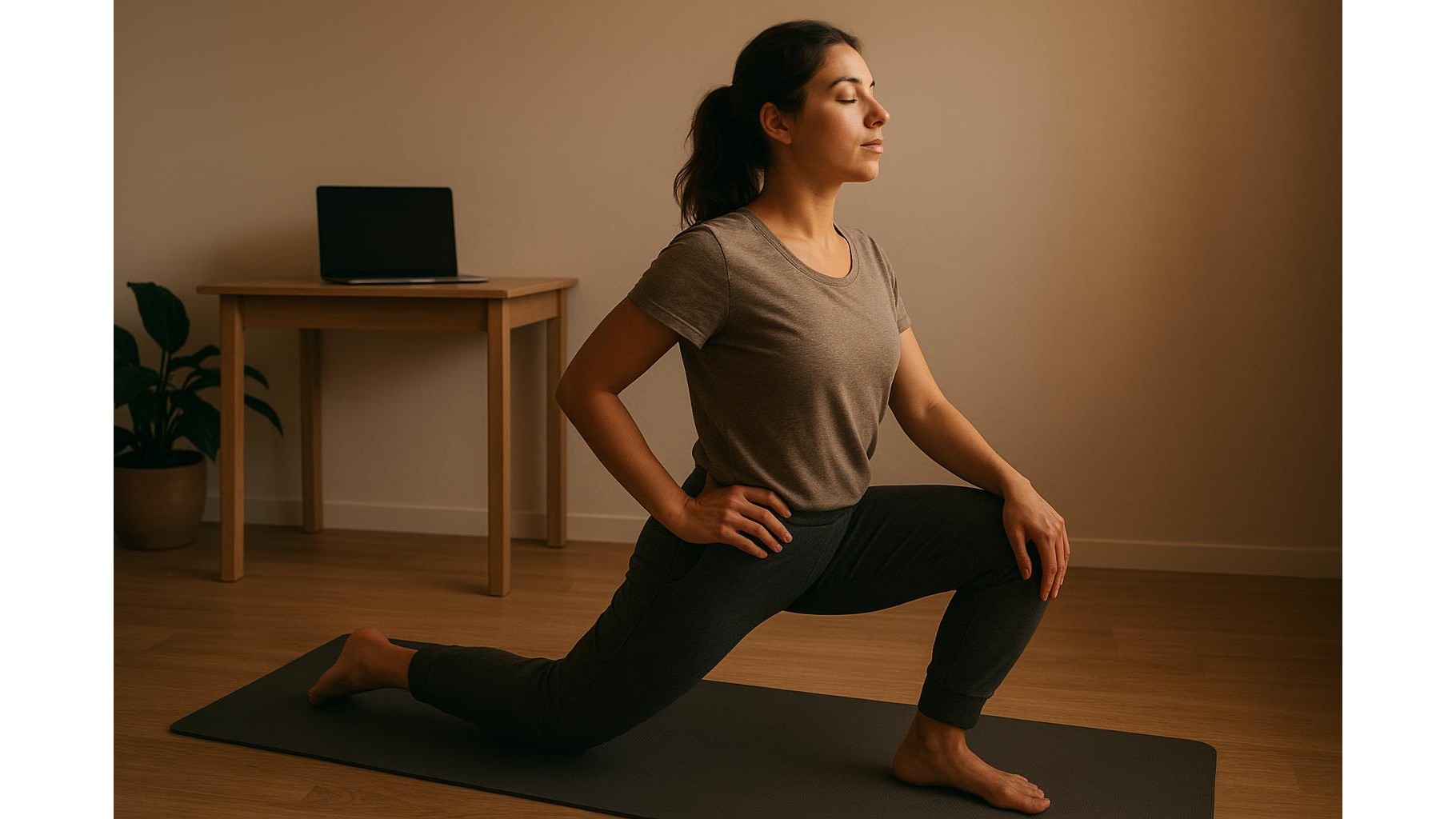
Long hours of sitting keep the hip flexors in a shortened position, which can tug on the lower back and reduce power in your home training sessions. Start with a gentle half-kneeling hip flexor stretch: one knee on the floor, the other foot in front, knee at 90 degrees. Tuck your tailbone under, squeeze the glute of the back leg and lean your weight slightly forward until you feel a stretch in the front of the hip. Breathe slowly for 6–8 deep breaths, then switch sides. Follow with a simple figure‑four stretch on your back: lie down, cross your right ankle over your left knee and gently pull the left leg toward your chest to target the outer hip and glute. Hold 30–45 seconds per side, never bouncing. Focus on exhaling fully to help the muscles let go.
Undo rounded shoulders and tight chest
Desk work and laptop posture encourage rounded shoulders and a collapsed chest, which can limit breathing during home workouts and disrupt sleep quality. To counter this, sit tall and clasp your hands behind your back, or hold a towel between your hands if your shoulders are very tight. Gently straighten your arms and lift the chest, imagining your collarbones spreading wide. Breathe into the front of your ribs for 6–8 slow breaths. Next, perform a doorway chest stretch: place your forearms on each side of a doorframe, elbows at shoulder height, and softly lean your body forward until you feel a stretch across the chest and front of the shoulders. Keep your neck long and avoid jutting your chin. These simple moves help restore a more open, athletic posture for your next home training session.
Mobilise your lower back safely
The lower back often aches after a day at a desk, but aggressive stretching can make things worse. Focus on gentle mobility and relaxation instead. Lying on your back, bring both knees toward your chest and wrap your arms around them, allowing your lower spine to round slightly. Rock slowly side to side for 30–60 seconds. Then place your feet back on the floor, knees bent, and perform supine lumbar rotations: drop both knees slowly to one side while keeping your shoulders on the floor, pause for 2–3 breaths, then move to the other side. Think of massaging the spine rather than cranking into a twist. Finish with a simple cat‑cow sequence on hands and knees, alternating between rounding and gently extending the spine to flush out the stiffness created by hours in a chair.
Calm your nervous system with breathing
To lock in the benefits of your stretching routine and prepare for quality sleep, end with 3–5 minutes of deep, diaphragmatic breathing. Lie on your back with your legs supported on a chair or couch, so your knees and hips are at roughly 90 degrees. Place one hand on your belly and one on your chest. Inhale through your nose for a count of four, letting the belly gently rise, then exhale through your nose for a count of six, allowing the body to soften into the floor. Keep the shoulders relaxed and the jaw unclenched. This slow exhale activates the parasympathetic nervous system, helping reduce the mental buzz from work and the physiological arousal from your home training. Over time, finishing your evenings this way can improve sleep onset and recovery.
This simple 15‑minute evening stretching routine gives desk workers who train at home a powerful way to undo the damage of a full day of sitting. By opening the hips, chest and shoulders, gently mobilising the lower back and closing with focused breathing, you create a consistent signal to your body: the work is done, stress can drop and recovery can begin. Practice it most nights for a few weeks and you’ll likely notice less stiffness, better posture and smoother transitions between work, training and rest.