When you start building a home gym, socks are probably the last thing on your mind. Yet the right pair can transform how safe, stable and comfortable you feel when doing lifting, yoga or light cardio on wood, tiles or rubber flooring. From anti-slip grip patterns to smart cushioning and breathable fabrics, choosing well can help you avoid slips, blisters and overheating feet during your home workouts.
Table of contents
Grip socks for yoga, Pilates and mobility work
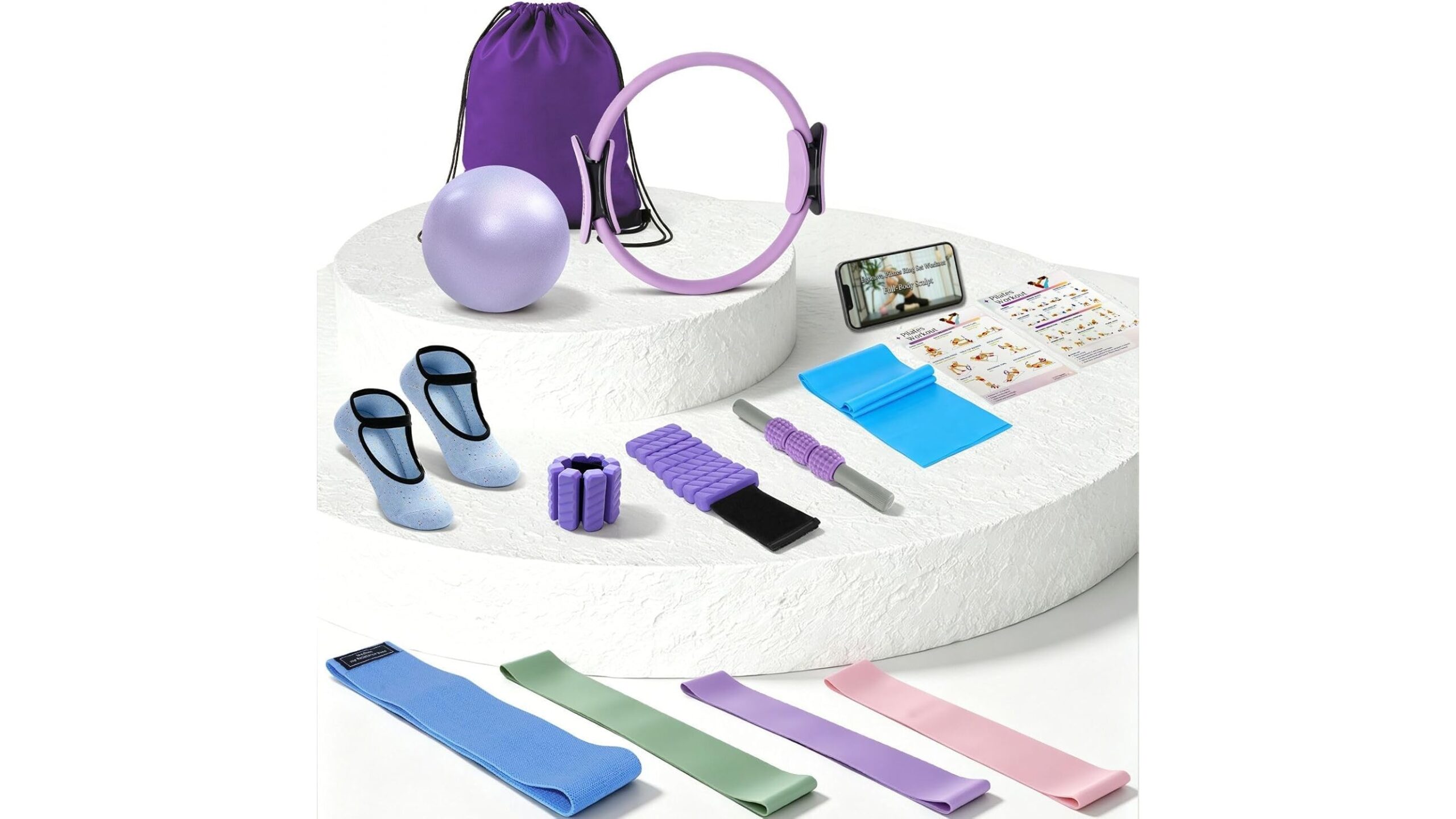
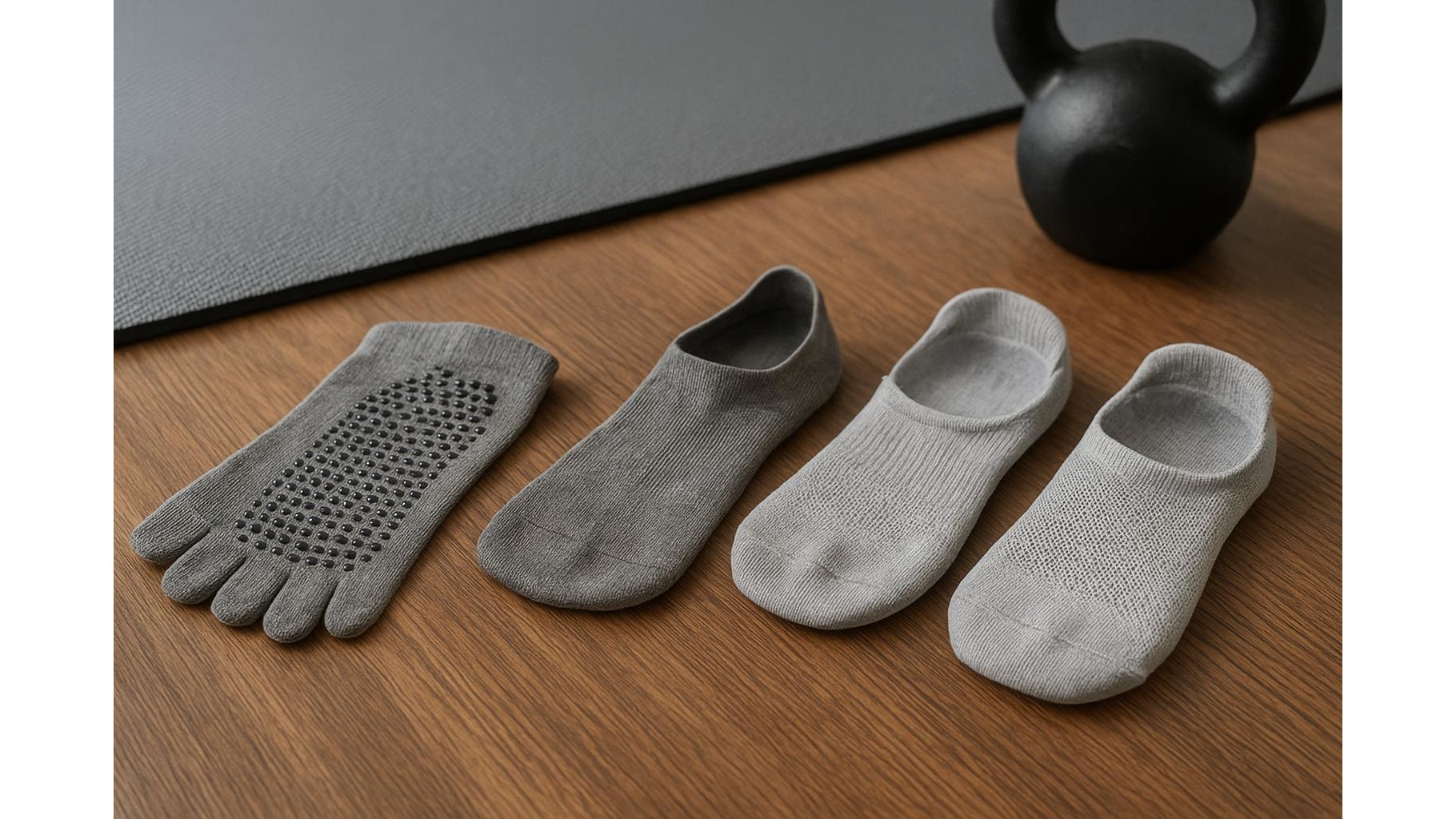
For slow, controlled sessions like yoga, Pilates and mobility flows, grip socks are your best ally. Look for models with a dense pattern of silicone dots or rubber coating from heel to toe to keep you stable in downward dog or lunges on smooth wood and tile floors. A typical yoga grip sock will use a soft cotton blend on top for comfort, with a low-cut or Mary Jane style to keep you cool. Prioritise a secure arch band or elastic strap so the sock doesn’t twist when you transition between poses. Full-sole grips are ideal for tiles and laminate, while lighter, more flexible grip patterns feel better on rubber flooring where traction is already higher.
Cushioning for lifting and strength training at home
When you lift at home, your socks need to balance ground contact and cushioning. For heavy squats and deadlifts, go for relatively thin, low-cushion socks that let you feel the floor and maintain stable foot pressure on rubber mats or firm carpets. A snug, compressive midfoot helps prevent the sock from sliding inside your shoes or when you lift in socks only. For standing isolation work or lighter dumbbell exercises, a medium-cushion training sock can add comfort, especially on harder tile or wood surfaces. Focus on targeted padding in the heel and forefoot, avoiding overly thick cushioning under the arch, which can destabilise your stance in single-leg work.
Breathable fabrics that avoid overheating
Home workouts often mean limited airflow, which makes breathability essential. Choose moisture-wicking fabrics such as polyester or nylon blends with a moderate percentage of elastane for stretch, and look for mesh panels or ventilated zones over the top of the foot. These help your feet stay dry during light cardio like indoor walking, step workouts or short HIIT circuits. Natural fibres like cotton feel pleasant but tend to trap sweat, so they work best when blended with synthetics. For those prone to hot feet, seek low-cut or no-show designs with thin uppers and reinforced, but not bulky, toes and heels to limit heat build-up while maintaining durability on abrasive rubber floors.
Matching socks to your home flooring
Your floor type should guide your sock choice. On wood and tiles, where surfaces are smooth and can become slippery when dusty or sweaty, non-slip grip socks are almost essential if you train without shoes. A full-coverage grip pattern reduces the risk of sliding in lateral movements and balances or when stepping on resistance bands. On rubber flooring or high-friction mats, you can usually opt for standard training socks with little or no grip, prioritising breathability and cushioning instead. If your space mixes surfaces—say, tiles in the kitchen and foam tiles in the living room—consider owning two types: grippy, low-cushion socks for barefoot sessions, and more cushioned performance socks for cardio and strength workouts in shoes.
Practical fit, care and hygiene tips
Fit and upkeep matter as much as fabric and grip. Your home workout socks should sit snugly without bunching at the toes or sliding under the heel, as these issues quickly lead to blisters during dynamic movements. Size according to the brand’s chart and avoid going too large, especially with grip socks, where shifting fabric reduces traction. Wash socks at the recommended temperature to protect the silicone grips and elastic fibres, and replace pairs once the underside feels smooth or thinned out. Having several dedicated pairs for training only improves hygiene and keeps the grips clean, maximising friction on wood, tiles and rubber floors session after session.
Choosing the right socks for home training comes down to matching grip, cushioning and fabric to how and where you train. Grippy styles enhance control for yoga and barefoot strength work on smooth surfaces, while cushioned, breathable socks shine for light cardio and longer sessions in shoes. By paying attention to your flooring and your own tendency toward hot or sensitive feet, you can build a small rotation of socks that keeps you safer, more comfortable and more focused on the workout instead of what’s happening under your feet.