For home athletes trying to optimise health and performance, few supplement categories sound as promising as resveratrol and broader polyphenol blends. Marketed for longevity, cardiovascular protection and inflammation control, these plant-derived compounds seem like the ideal add-on to smart training and good nutrition. But how much of this is science, and how much is hype? This article breaks down what resveratrol and polyphenols can realistically do for people who train at home, looking at heart health, recovery, dosing, safety and when basic food choices are enough.
Table of contents
What are resveratrol and polyphenols?
Polyphenols are a huge family of bioactive compounds found in plants, including flavonoids, phenolic acids and stilbenes such as resveratrol. You get them naturally from foods like berries, grapes, cocoa, green tea, coffee, herbs and colourful vegetables. Resveratrol became famous as the “red wine molecule” linked to anti-ageing effects in animal and cell studies, where it influences pathways tied to oxidative stress, mitochondrial function and inflammation. Polyphenol blends in supplements typically combine grape seed extract, green tea, turmeric/curcumin and other plant extracts to enhance overall antioxidant capacity. For home athletes, the core question is whether these mechanisms translate into better training outcomes, or simply healthier lifestyle marketing.
Cardiovascular health and blood flow in home training
For people training in a home gym, cardiovascular health matters for both performance and long-term wellbeing. Evidence suggests that regular polyphenol intake supports endothelial function (how well blood vessels dilate), helps modulate blood pressure and may improve circulation. Resveratrol, in particular, has been studied for its effects on nitric oxide signalling and vascular flexibility, which could theoretically improve blood flow during cardio or strength sessions. However, the most consistent benefits appear when polyphenols come from a diet rich in fruits, vegetables, tea and cocoa; supplement data in already healthy, active people are more mixed. If you are a home athlete without major cardiovascular risk factors, the biggest gains still come from structured aerobic training, strength work, sleep and bodyweight management, with polyphenols playing a supportive rather than central role.
Inflammation, recovery and muscle adaptation
Another selling point for resveratrol supplements and polyphenol complexes is the promise of lowering inflammation and speeding up recovery. Polyphenols can reduce markers of oxidative stress and modulate inflammatory signalling after intense exercise, which might translate into less soreness and slightly better maintenance of performance in repeated efforts. But there is a catch: if you blunt the body’s natural inflammatory and oxidative signals too much, you can potentially impair training adaptations, especially for strength and hypertrophy. Current research suggests that moderate doses from food or balanced blends are unlikely to harm gains, while mega-doses of isolated anti-oxidants may be counterproductive. For home athletes, a practical approach is to prioritise good sleep, protein intake and periodised training, then consider modest polyphenol support on especially hard training days rather than daily high-dose use.
Dosing, timing and when food is enough
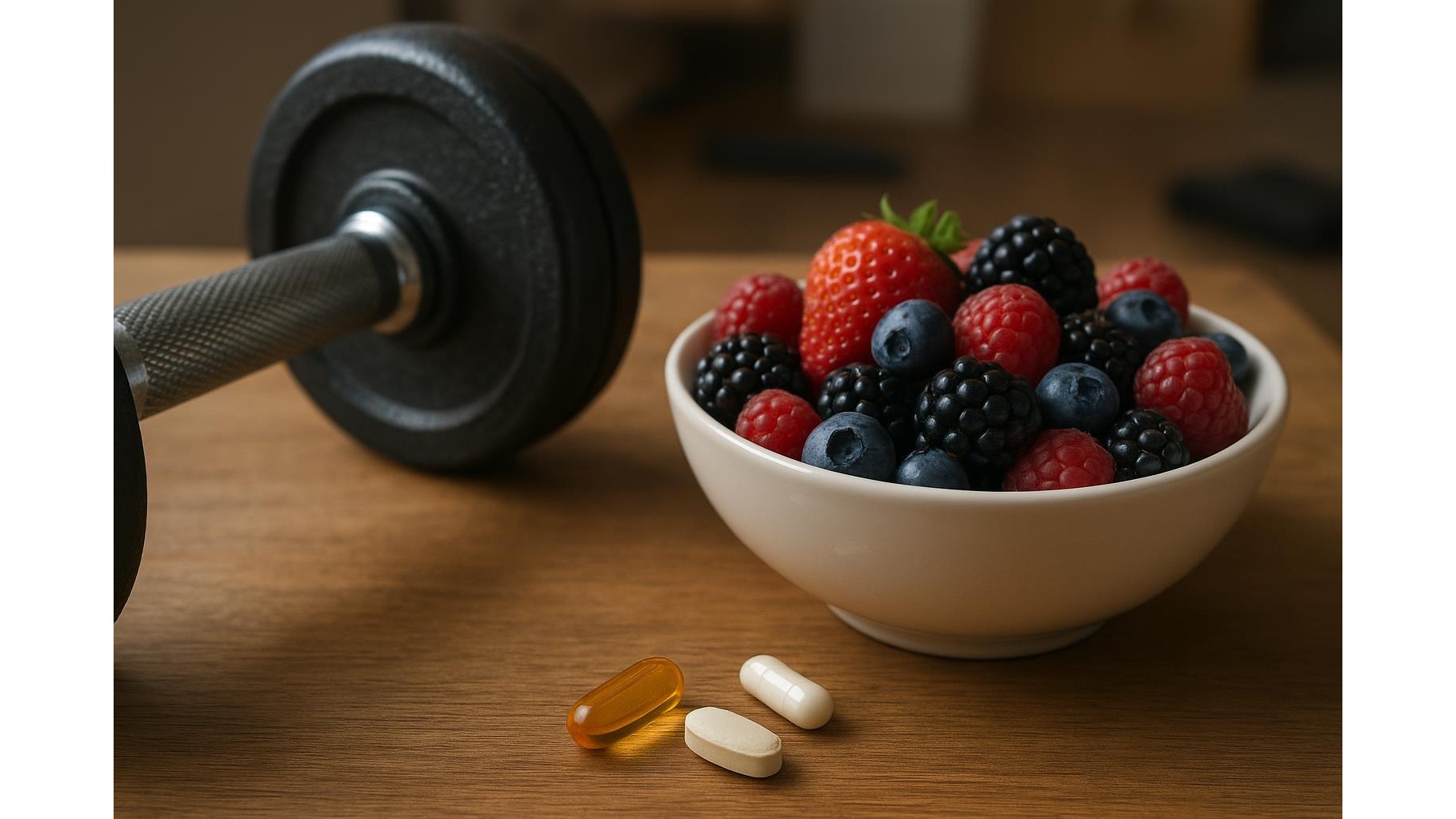
Human studies on resveratrol often use doses between about 100–500 mg per day, while broader polyphenol blends may provide an equivalent of several hundred milligrams of total polyphenols. There is no universally agreed “optimal” dose for fitness outcomes, and bioavailability varies hugely between products. For most healthy home athletes, a more sustainable strategy is to build a base of high-polyphenol foods: daily berries, a couple of portions of green or black tea, some dark chocolate or cocoa, olive oil, herbs and plenty of colourful vegetables. Once that is in place, a supplement may offer marginal benefits if your diet or schedule is inconsistent. Timing appears less critical than consistency; if used, take polyphenol supplements with meals that contain some fat to improve absorption, and avoid stacking multiple high-dose products at once.
Safety, interactions and who should avoid resveratrol
Although generally considered safe, resveratrol and concentrated polyphenol extracts are not risk-free. High doses can cause gastrointestinal discomfort in some people, and resveratrol may interact with anticoagulant medications and drugs processed by the liver. Because polyphenols can influence platelet function and certain hormone-related pathways, anyone with bleeding disorders, hormone-sensitive conditions or complex medication regimens should consult a health professional before supplementing. Pregnant or breastfeeding individuals are usually advised to avoid high-dose resveratrol due to limited safety data. For most home athletes with no underlying medical issues, staying within moderate, label-recommended doses and cycling use—rather than taking large doses all year round—keeps risk low while acknowledging that the evidence for dramatic performance benefits is still limited.
In summary, resveratrol and broader polyphenol blends are best viewed as supportive health tools, not shortcut supplements for home training performance. The science is most convincing for modest improvements in cardiovascular markers and oxidative stress, with more uncertain and context-dependent effects on recovery and muscle adaptation. If your diet is low in plant foods, a well-formulated polyphenol product may help close the gap, but it will never replace smart programming, sleep and consistent nutrition. Prioritise whole-food sources first, treat supplements as optional extras, and make decisions based on your overall health profile rather than marketing promises.