Weighted core bags with multiple handles are one of the smartest upgrades you can make to a small home gym. A single bag can mimic kettlebells, dumbbells and even a barbell for presses, swings, carries and rotational work, while remaining compact and easy to store. Choosing the right model, though, means understanding weight ranges, filling types, handle layouts and safety features so you buy once and train for years.
Table of contents
Why a multi‑handle core bag is so versatile
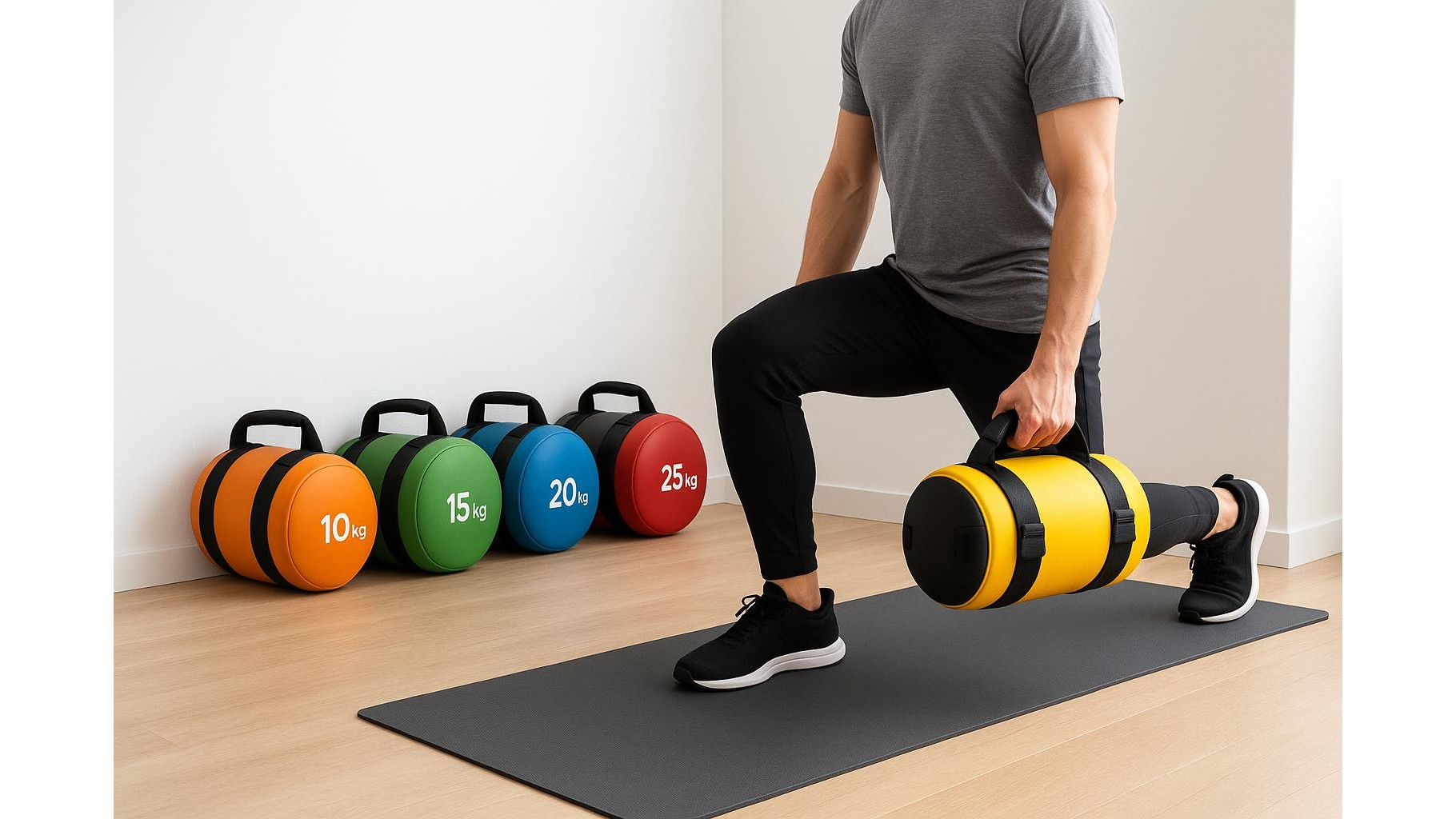
A modern core bag with multiple handles gives you vertical, horizontal and neutral grips on the same piece of equipment. That lets you perform squats, lunges, overhead presses, rows, swings, Russian twists and loaded carries without constantly changing tools. Compared with a fixed dumbbell set, a soft‑sided power bag is kinder on floors and shins, and usually more comfortable for beginners who are nervous about rigid iron. For example, a typical commercial-style core bag (search for models like “weighted power bag” on Amazon) offers several stitched handles and end grips specifically designed for rotational and anti-rotation exercises, so you can build a strong, resilient midsection using just one piece of gear.
Choosing the right weight range for your home workouts
Weight selection is the first big decision with any weighted power bag. For most people training at home, a range between 5 kg and 25 kg covers the majority of functional movements. Lighter bags (5–10 kg) are ideal for high‑rep conditioning, beginners and core‑focused flows. Mid‑range bags (10–15 kg) suit mixed strength and cardio work, such as complexes of squats, presses and rows. Heavier bags (20 kg+) are better for carries, hip hinges and more advanced athletes. If you only want one bag, aim for a weight you can press overhead for 8–10 controlled reps; if you plan to progress, consider buying a fixed but heavier second bag later rather than a too‑light model you will quickly outgrow.
Filling type and durability: sand, foam and inner bladders
Most weighted core bags use sand or granular material as filling, often sealed inside inner bladders to prevent leaks. High‑quality models combine dense foam around a central weight core, which keeps the bag’s shape during swings and cleans while still being soft on impact. Cheaper bags may sag, twist or develop dead spots that make them uncomfortable and harder to control. When browsing Amazon, look for phrases like “leak‑proof inner bags”, “reinforced stitching” and “tear‑resistant PVC” in the product description. These details usually indicate a bag that will survive being dropped, dragged and gripped by different handles several times per week without splitting or losing material.
Handle layout and grip comfort for full‑body training
The handle layout is what turns a basic sandbag into a truly versatile core bag. A good design offers at least two horizontal handles on the body, plus end handles and sometimes vertical or diagonal grips. Horizontal handles help with rows, presses and front‑loaded squats, while end grips mimic kettlebell swings and rotational chops. Look for padded or rubberised handles that reduce hand fatigue and improve grip security when sweating, especially if you plan to use the bag for high‑rep conditioning. Multiple handles also make it easier to share the bag between users of different sizes, as each person can find a comfortable and safe grip for their preferred exercises.
Safety features and practical tips for home use
For a home gym, safety and practicality are as important as raw durability. Seek out weighted core bags with clear, printed weight markings, so you can identify them quickly if you later add a second bag. Double or triple stitching around the handles, robust zips hidden under flaps, and wipe‑clean outer shells all contribute to safer training and longer life. Because these bags are soft and compact, you can train in tight spaces without worrying about chipping tiles or damaging wooden floors. Still, practice good form: avoid swinging the bag too close to fragile surfaces, and check seams regularly. With one well‑chosen multi‑handle core bag, you can replace a small collection of dumbbells and kettlebells, freeing floor space while still hitting every major muscle group.
In summary, a weighted core bag with multiple handles can act as a compact all‑in‑one strength and conditioning tool for your home gym when you choose carefully. Focus on a weight range that matches your current strength and goals, durable filling and outer materials, a thoughtful handle layout and key safety details like reinforced stitching and clear markings. Invest once in a quality bag and you will have a portable, low‑impact and extremely versatile training partner that supports progressive full‑body workouts without cluttering your living space.