If you train hard at home on your treadmill, bike or stair climber, chances are you have felt a tight, nagging line of tension along the outside of your thigh. That band of discomfort is often linked to the iliotibial (IT) band and the surrounding muscles of the hip and outer thigh. While you cannot literally “stretch” the IT band itself, you can ease the pressure around it with a smart mix of foam rolling, trigger point work and simple stretches. This home routine is designed to slot neatly into any home gym schedule and help your legs feel smoother, looser and more resilient after runs, rides or stair sessions.
Table of contents
Why your IT band and outer thigh feel so tight
The IT band is a thick strip of connective tissue running from your hip down to just below the knee. When the glutes, tensor fasciae latae (TFL), and outer quad muscles get overworked from running, cycling or stair work, they can tug on this band and create that familiar “tight rope” sensation or lateral knee pull. Long sessions on a home treadmill, aggressive hill intervals or big jumps in training volume are common triggers. Rather than attacking the side of your thigh at random, the goal is to methodically release the muscles that feed into the IT band and then reinforce that new range with controlled stretching so your legs move better the next time you train.
Foam rolling sequence for the outer thigh
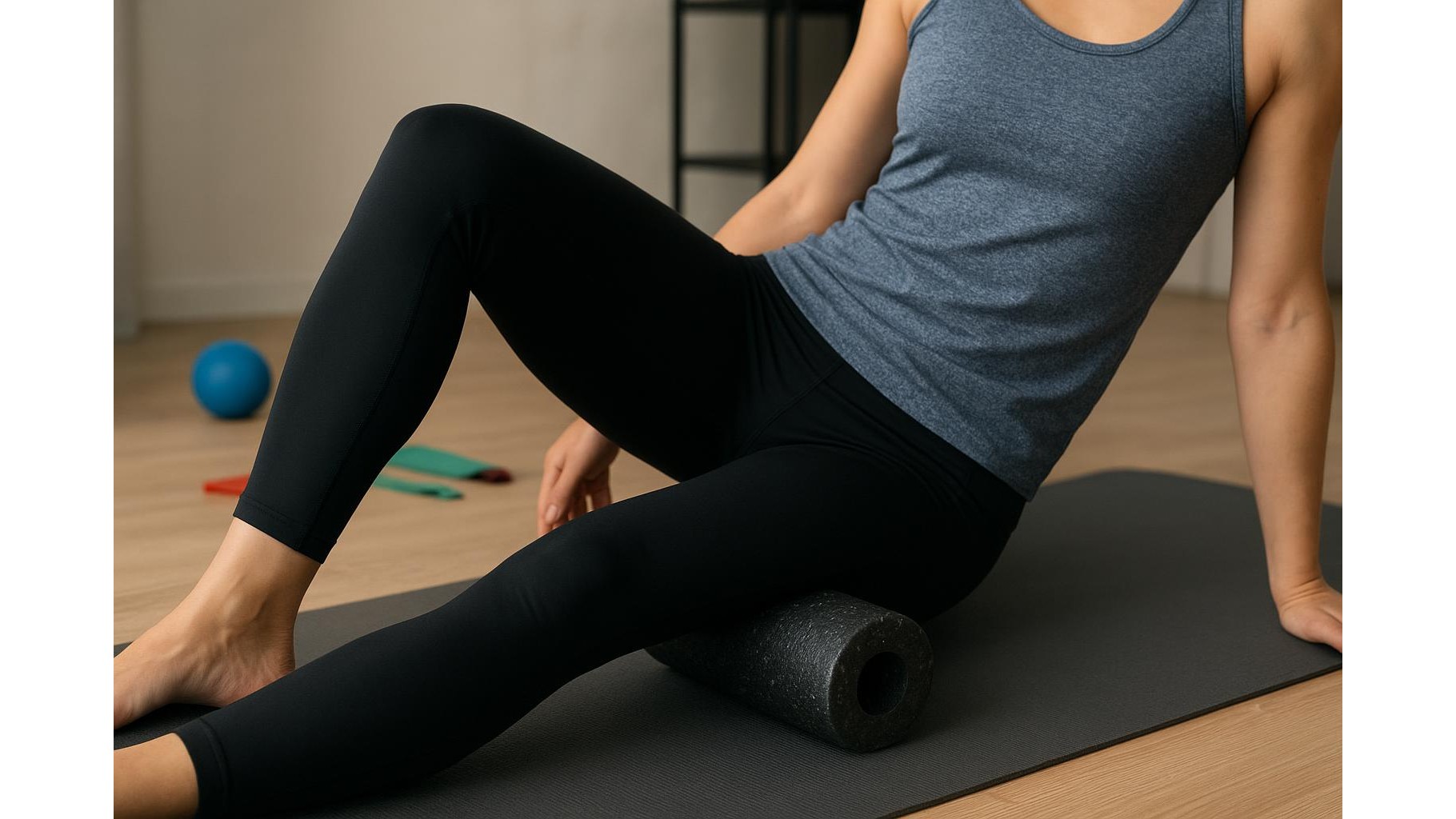
Start your routine with a basic foam roller to warm the tissues around the IT band. Lie on your side with the roller under your outer thigh, supporting your upper body on your forearm and your top foot on the floor in front of you. Slowly roll from just below the hip bone down to a few inches above the knee, pausing on tender spots for 20–30 seconds while you breathe steadily. Avoid rolling directly over the knee joint itself. Perform 8–10 slow passes per leg. This kind of self-myofascial release helps reduce stiffness in the outer quad and lateral hamstring while improving blood flow, making the deeper work with a ball more effective and more comfortable.
Targeted trigger point work with a massage ball
After the roller, a small massage ball lets you pinpoint stubborn trigger points that the roller glides over. Sit against a wall or lie on your side and position the ball just behind the outer hip bone to target the gluteus medius and TFL. Gently lean your weight into the ball and make small circles or micro-movements until you feel a strong but manageable pressure. Stay for 30–60 seconds on each spot, then move a few centimetres to explore the outer hip and top of the thigh. Repeat on the other side. This deliberate ball work helps calm the overactive muscles that keep feeding tension into the IT band, setting you up for more effective stretching.
Key stretches for IT band and outer thigh relief
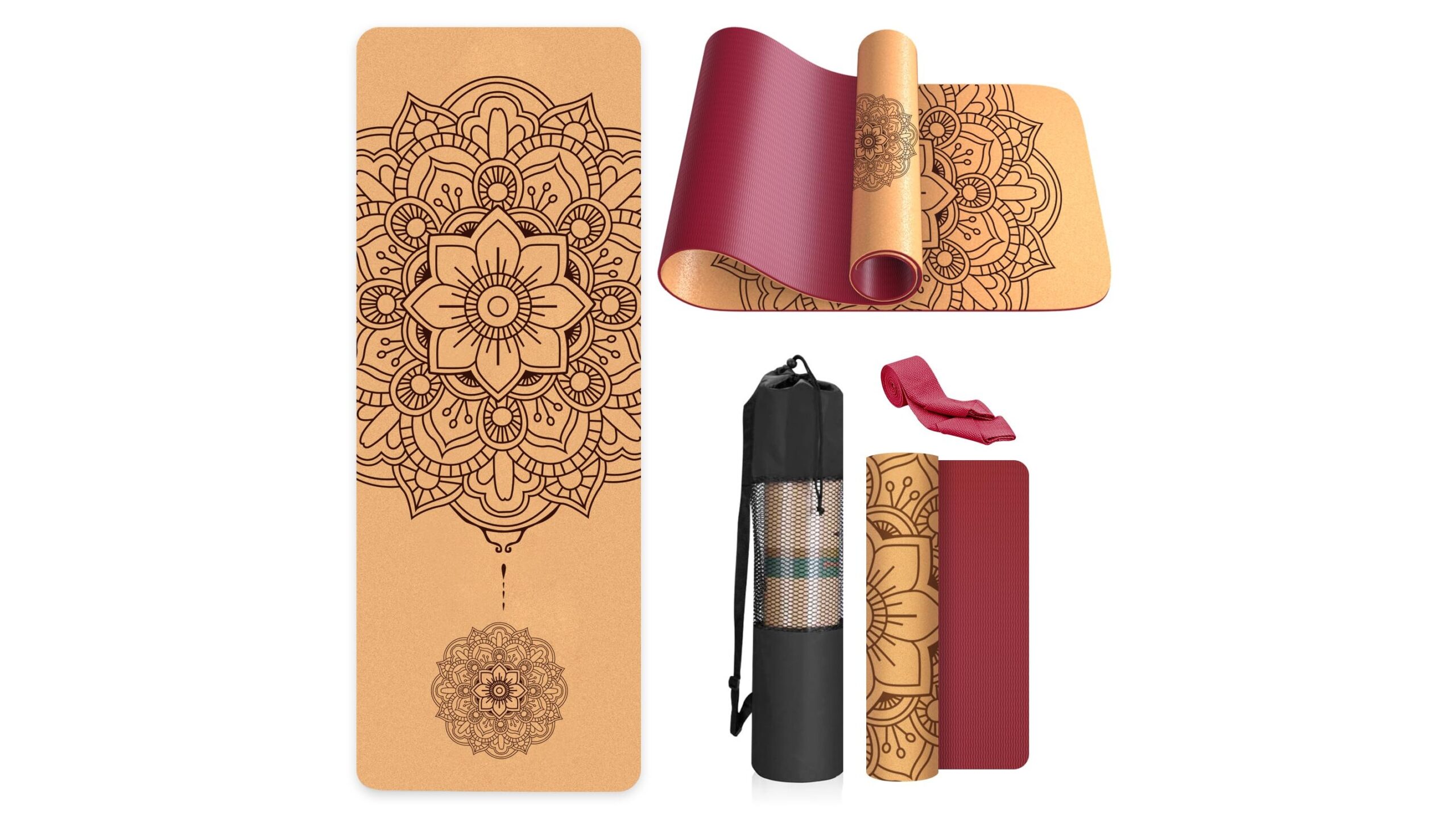
Once the surrounding muscles are warm and desensitised, move into a short sequence of stretches to lock in that new range of motion. A simple standing cross-over stretch works well in a home gym: stand tall, cross the right leg behind the left and gently lean your upper body to the left until you feel a stretch along the outside of the right hip and thigh. Hold for 30 seconds and switch sides. Next, use a figure-four glute stretch on a mat or bench to open the deep hip rotators that influence IT band tension. Keep the intensity at a mild to moderate level; you should feel a lengthening sensation, not sharp pain. Aim for 2–3 rounds per stretch on each side.
How to fit this routine into your home gym training
To get the most from this IT band and outer thigh relief routine, weave it into your weekly schedule just like a strength or cardio session. After runs on the treadmill, indoor rides, or heavy stair sessions, set aside 10–15 minutes for foam rolling, ball work and stretching before you step out of your home gym. Consistency is more important than intensity: performing this sequence 3–5 times per week will usually beat a single, aggressive “smash” session. If you feel unusual pain on the outside of the knee or hip that does not ease with these drills, reduce volume, check your training load and consider consulting a qualified professional to rule out more serious issues.
By combining foam rolling, massage ball trigger point work and simple stretches, you can build a practical home routine that keeps your IT band region happier and your outer thighs more supple. Done regularly, this sequence can ease post-workout soreness, reduce that tight “band” feeling on the outside of the leg and help you move more freely in every home gym session. Treat it as part of your ongoing recovery strategy rather than a one-off fix, and your legs will repay you with smoother strides and stronger, more comfortable workouts.