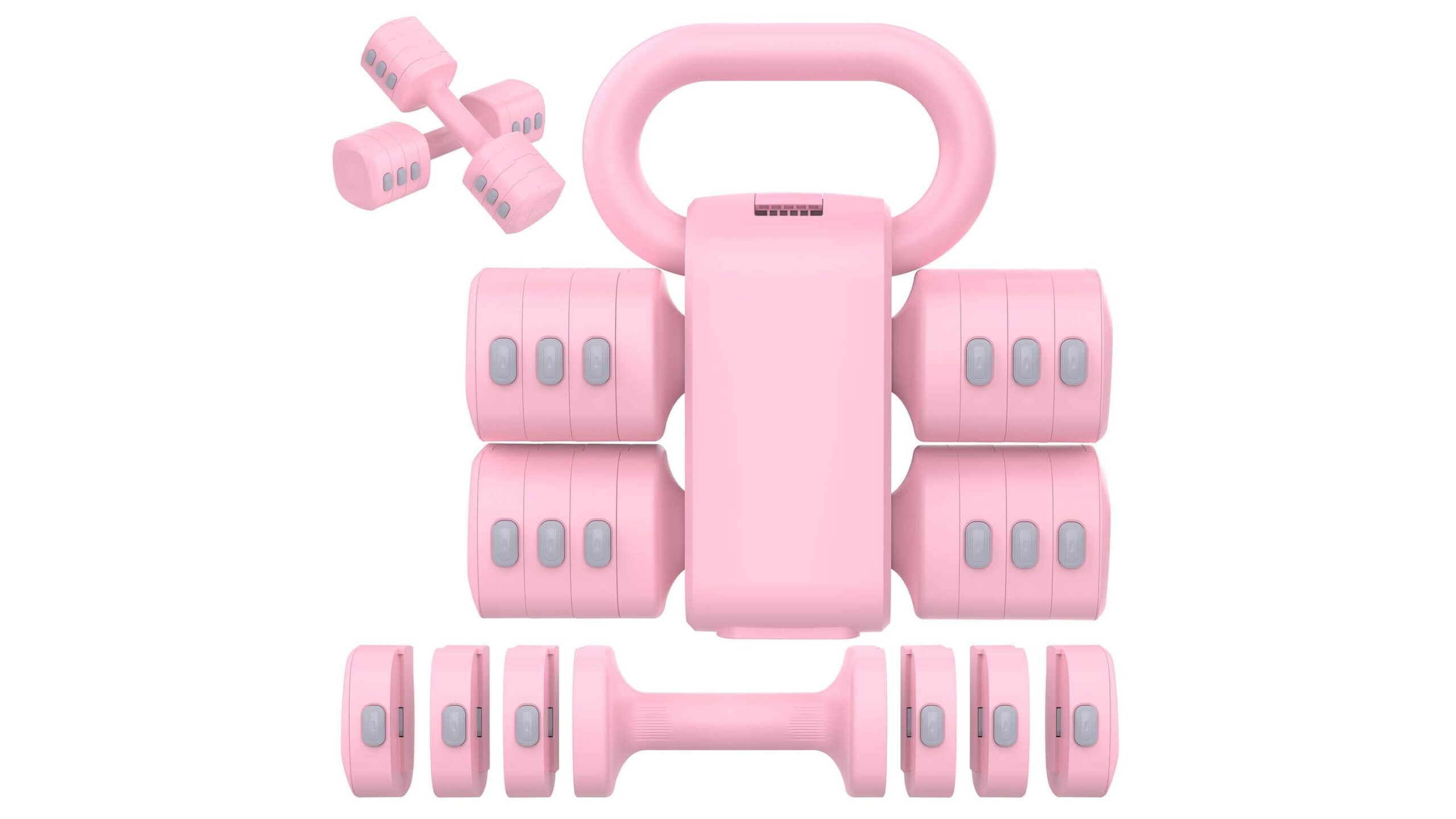
Training at home with adjustable dumbbells is one of the smartest ways to build strength in a small space. But if your weights live on the floor or on a wobbly improvised surface, every set starts with awkward lifting, plate fiddling and a real risk of banging your shins or straining your lower back. A dedicated adjustable dumbbell stand solves these problems in one hit: it puts the weight at a safer height, speeds up weight changes and keeps your home gym neat and compact.
Table of contents
Why a dedicated stand makes your lifting safer
The biggest safety benefit of a dumbbell stand is simple: it lets you lift from a higher, more neutral position. Instead of rounding your spine to drag heavy bells off the floor, you set up with a braced core and hinge just slightly at the hips. This reduces strain on your lower back and makes it easier to keep good form between sets when you are tired. A stable stand also stops the bases from sliding around on smooth floors, so you are less likely to trip or knock a heavy bell onto your foot in a confined space.
Choosing the right height for your body
Height is the one feature that changes how a stand feels every single workout. Aim for a stand that brings the handles roughly to mid‑thigh or just above your knees. That way you can reach the dumbbells without shrugging your shoulders or bending excessively. If you are tall and forced to use a very low rack, you will keep loading your spine in a poor position. For shorter lifters, an oversized stand can make it hard to re‑rack heavy weights with control. When you compare options, always check the total height in the specifications and imagine picking up a heavy dumbbell at that level in your own home gym.
Footprint and compact storage in a small home gym
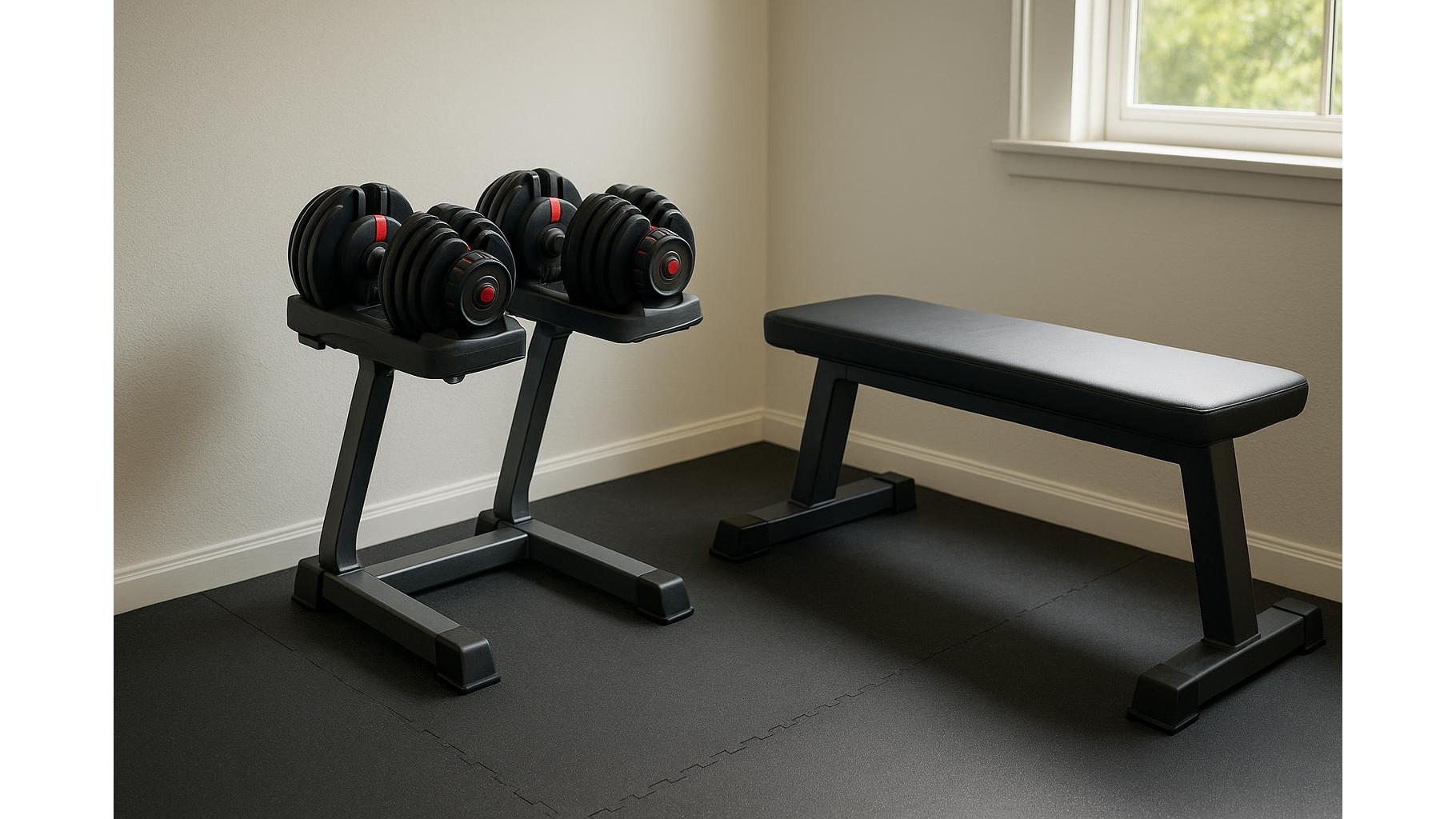
In a home training corner, every centimetre counts. Look for a stand with a compact footprint that leaves enough clearance to step in close and lift without hitting walls or furniture. A good layout places the cradles slightly angled towards you, so you do not have to twist to rack the weights. Extra shelves or hooks for small accessories can help keep your workout area tidy, but avoid overbuilt frames that eat into your limited floor space. A simple, sturdy X‑ or T‑shaped base is often enough to support a pair of heavy adjustable dumbbells while still sliding neatly beside a bench or under a window.
Stability, load rating and build quality
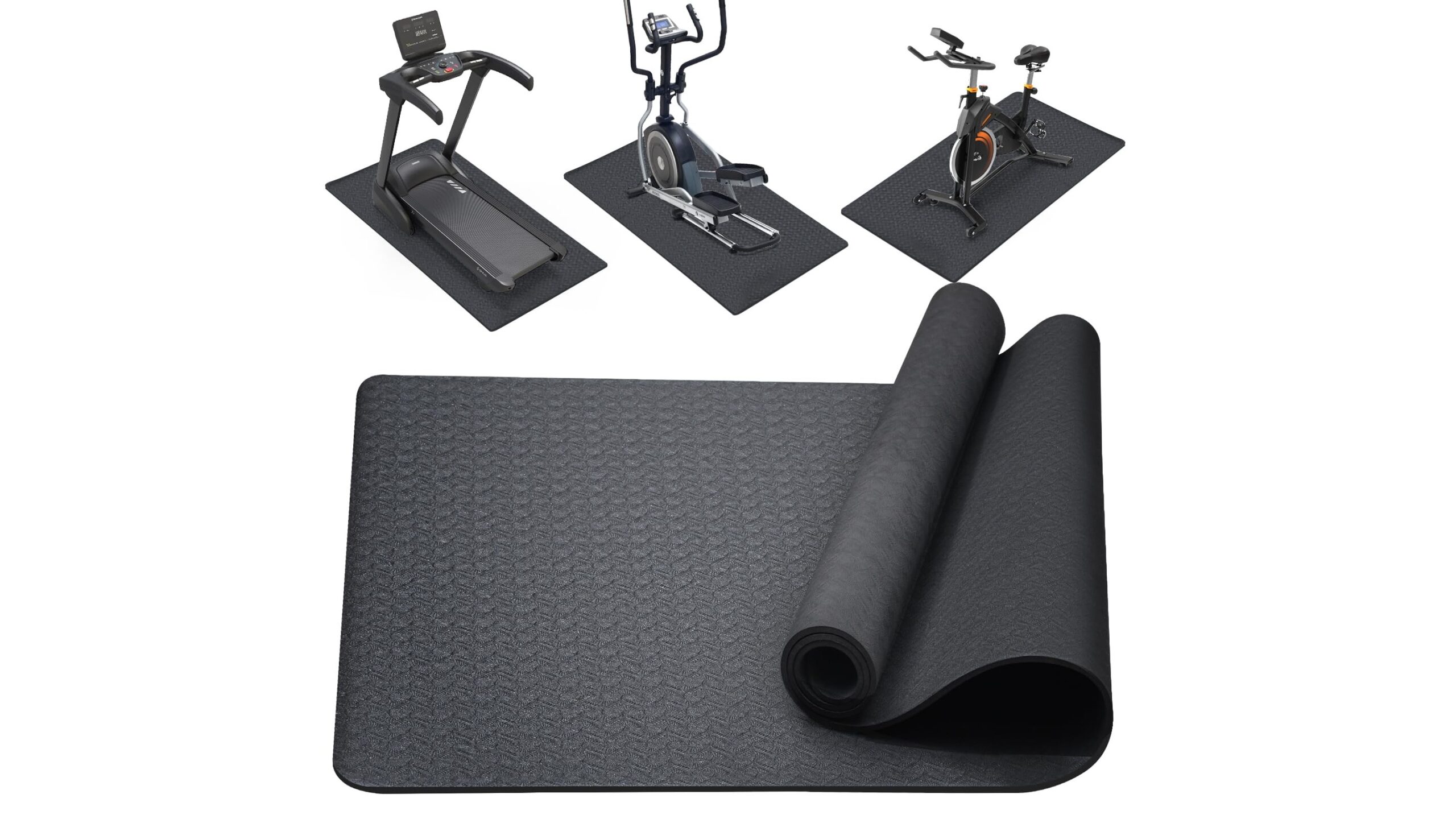
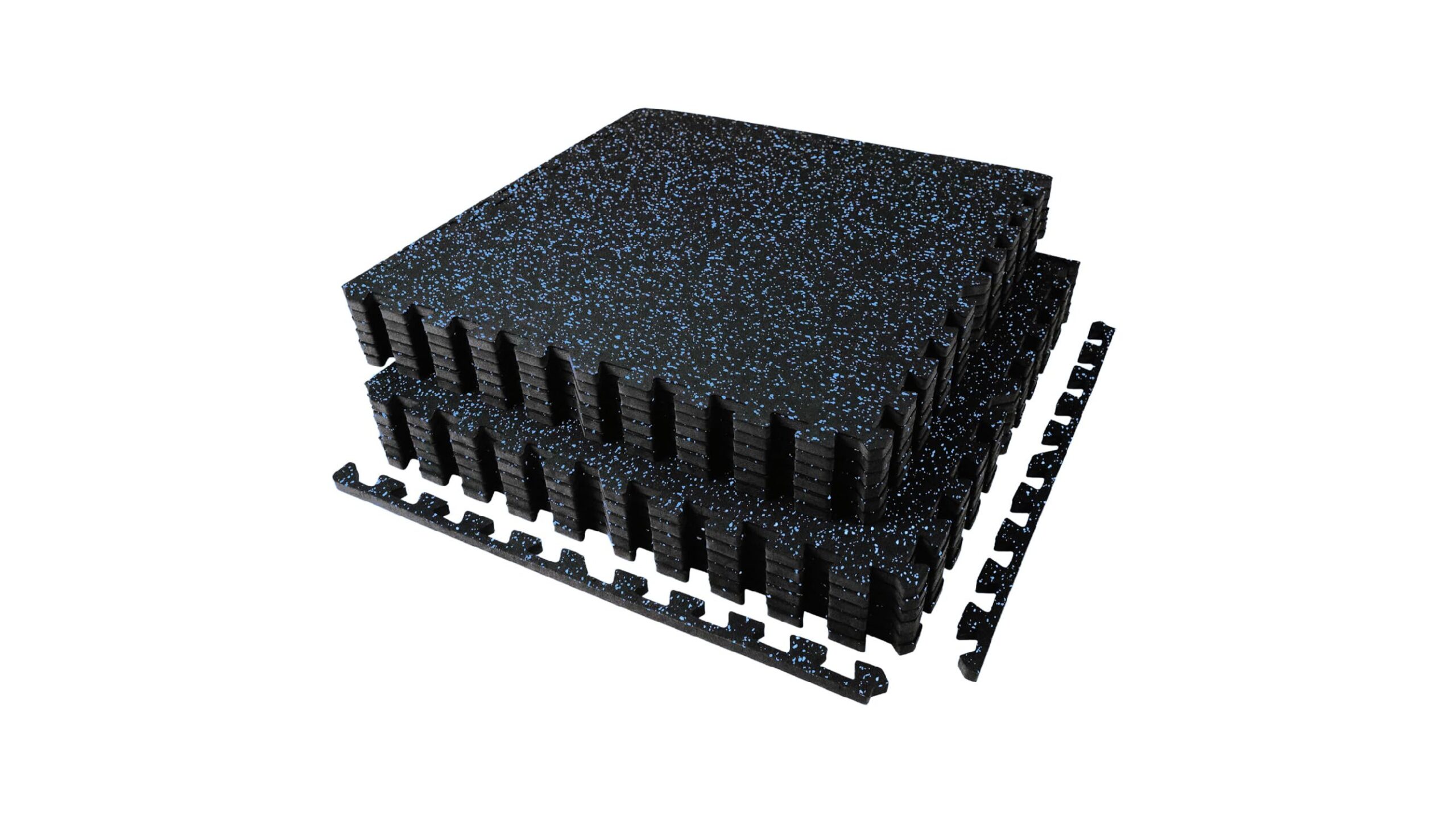
Stability is what separates a useful adjustable dumbbell stand from a frustrating one. Check the claimed load rating and make sure it comfortably exceeds the maximum total weight of your dumbbells. Wide feet, cross‑bracing and a low centre of gravity all help prevent wobble when you rack a heavy bell with one hand. Steel construction with solid welds will generally outlast lightweight frames that flex when you drop the weight back in. If your training room has hard flooring, adding rubber feet or a thin gym mat under the stand can further reduce movement and protect both the stand and the floor from damage.
Making weight changes faster and more efficient
A well‑designed stand does more than just hold your dumbbells; it actively makes weight changes faster. When the cradles are angled correctly and spaced apart, you can step in, adjust both bells and step out without shuffling around small obstacles. This is especially useful if you like supersets, drop sets or short‑rest circuits, where every second of transition matters. Keeping plates, pins or selector dials at a comfortable height means less fumbling and fewer mistakes when you are tired. Over the course of a full session, these small time‑savings add up, allowing you to get more quality work done in the same training window.
In a compact home gym, a dedicated adjustable dumbbell stand is a smart investment in safety, speed and comfort. By choosing the right height, a modest footprint that fits your space, solid stability and practical storage, you protect your back, keep your floor clear and make it easier to stay consistent with strength training. Instead of wrestling heavy weights off the ground or hunting for space every workout, you step up to a tidy, ergonomic setup that lets you focus on what matters most: lifting with control, progressing your loads and getting stronger at home.